


Why Do Some People Naturally Have Thinner Eyebrows?
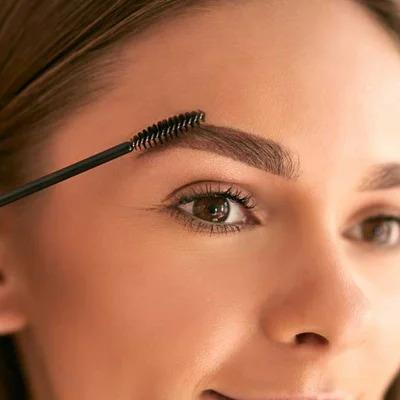
Eyebrows play an important role in defining facial features, supporting facial expressions, and creating a balanced appearance. While some people naturally have thick and dense eyebrows, others have finer, lighter, or less noticeable eyebrow hair. These differences are often influenced by genetics, hormonal activity, ageing, and individual hair growth patterns.
Naturally thin eyebrows are not necessarily a sign of an underlying health problem. In many cases, they are simply an inherited characteristic that varies from person to person. However, understanding the factors responsible for eyebrow density can help individuals distinguish between naturally sparse eyebrows and hair loss that develops over time.
Exploring the reasons behind naturally thin eyebrows also provides useful information for people interested in improving their eyebrow appearance through appropriate grooming or professional restoration options.
1. Genetic Factors and Family History
Genetics is one of the most common reasons why some people naturally have thinner eyebrows. Hair characteristics, including thickness, density, colour, and growth patterns, are influenced by inherited genetic factors.
People whose parents or close family members have naturally fine or sparse eyebrows may share similar characteristics. Genetic variations can influence the number of active hair follicles in the eyebrow region, as well as the thickness of individual hair strands.
Some individuals naturally develop full eyebrows, while others have fewer visible hairs distributed across the same area. These differences are generally normal and do not necessarily indicate poor hair health.
Genetics can also influence eyebrow shape and the distance between individual hairs. As a result, two people with similar facial features may have noticeably different eyebrow densities.
2. Natural Hair Follicle Density
The number and distribution of hair follicles within the eyebrow area influence how thick or thin eyebrows appear.
Hair follicles are small structures within the skin responsible for producing individual hair strands. Their distribution varies naturally across different individuals and body areas.
People with fewer active follicles in the eyebrow region may have less visible hair coverage. Similarly, individuals with widely spaced follicles may have eyebrows that appear thinner even when their individual hairs are healthy.
Follicle density is largely determined by biological and genetic characteristics. Unlike temporary hair loss, naturally low follicle density may have been present since childhood or adolescence.
Understanding this difference is important because naturally sparse eyebrows may require a different approach from eyebrows that have recently become thinner.
3. Hormonal Changes and Their Influence
Hormones play an important role in regulating hair growth throughout the body. Changes in hormonal activity can influence hair thickness, growth cycles, and follicle function, including in the eyebrow region.
Thyroid hormones, for example, help regulate several metabolic processes that support normal hair growth. An underactive or overactive thyroid can sometimes contribute to eyebrow thinning or changes in hair texture.
Other hormonal changes associated with different stages of life may also influence hair characteristics.
However, not everyone with naturally thin eyebrows has a hormonal imbalance. If eyebrow hair becomes noticeably thinner over a short period, especially alongside other physical changes, medical evaluation may help identify the underlying cause.
4. Age and Natural Changes in Hair Growth
Ageing is another factor that can influence eyebrow thickness. As people grow older, hair follicles may gradually produce finer strands, and some follicles may become less active.
These changes can make eyebrows appear lighter, shorter, or less dense than they were during earlier stages of life.
The natural hair growth cycle also changes over time. Individual follicles may produce hair differently, resulting in variations in thickness and growth duration.
Age-related eyebrow thinning is not identical for everyone. Some people maintain relatively dense eyebrows throughout adulthood, while others notice gradual changes much earlier.
Maintaining a healthy lifestyle and avoiding unnecessary damage to eyebrow hair can help support overall hair health, although these practices cannot completely prevent genetically or age-related changes.
5. Differences in Hair Texture and Thickness
Not all eyebrow hairs have the same physical characteristics. Hair texture and strand diameter can significantly influence how dense eyebrows appear.
People with naturally fine hair may have eyebrows that look less prominent compared with individuals who have thicker, darker strands.
Hair colour also contributes to visual density. Light-coloured eyebrow hairs may be less noticeable against the surrounding skin, even when the actual number of follicles is similar.
Additionally, naturally straight, curly, or coarse hair can create different visual patterns.
These characteristics are generally inherited and vary according to individual biology. Therefore, thin-looking eyebrows do not always mean that a person has fewer hair follicles.
6. Nutritional Factors and Hair Health
Although genetics plays a major role in natural eyebrow density, nutrition also contributes to healthy hair development.
Hair follicles require adequate nutrients to support normal cellular activity and hair production. Deficiencies in certain nutrients, including iron, zinc, protein, and some vitamins, may contribute to hair thinning in certain individuals.
A balanced diet containing vegetables, fruits, protein sources, whole grains, and healthy fats supports general health and provides nutrients involved in normal hair growth.
However, taking supplements without identifying an actual deficiency is not necessarily beneficial. Excessive intake of certain vitamins and minerals can also cause unwanted effects.
People experiencing unexplained eyebrow thinning may benefit from discussing their nutritional status with a healthcare professional rather than relying on unverified hair growth products.
7. Skin Conditions That Affect Eyebrow Appearance
Certain skin conditions can affect the eyebrow region and influence hair growth.
For example, seborrhoeic dermatitis may cause redness, itching, and flaky skin around the eyebrows. Inflammation can sometimes contribute to temporary hair shedding.
Other conditions, including eczema and psoriasis, may also affect the skin surrounding eyebrow follicles.
In some cases, inflammatory or autoimmune conditions can interfere with normal follicle activity. Alopecia areata, for instance, can cause patchy hair loss that may involve the eyebrows.
It is important to distinguish these conditions from naturally thin eyebrows. Persistent itching, scaling, sudden hair loss, or clearly defined bald patches should be assessed by a qualified medical professional.
8. Grooming Habits and Previous Hair Removal
Although some people are born with naturally thin eyebrows, grooming habits can also influence their appearance over time.
Frequent plucking, waxing, threading, or other hair removal techniques may damage the surrounding skin or contribute to repeated follicular trauma.
In some individuals, excessive or prolonged plucking can result in reduced hair regrowth. The extent of this effect varies depending on the frequency of hair removal and whether the follicles have sustained permanent damage.
People who want to maintain their existing eyebrow density should avoid unnecessary over-plucking and choose gentle grooming methods.
Allowing eyebrow hair to grow naturally for a period can help reveal the existing growth pattern and distinguish temporary grooming-related changes from more persistent thinning.
9. When Should Naturally Thin Eyebrows Be Evaluated?
Naturally sparse eyebrows usually remain relatively consistent over time. However, sudden or progressive changes may indicate an underlying issue that deserves attention.
Professional evaluation may be helpful if someone experiences:
-
Sudden eyebrow hair shedding.
-
Noticeable thinning in previously dense areas.
-
Bald patches or uneven hair loss.
-
Redness, itching, or persistent skin irritation.
-
Changes in eyebrow hair alongside scalp or body hair loss.
A healthcare professional can examine the affected area, review medical history, and recommend appropriate investigations when necessary.
Identifying the underlying reason for eyebrow thinning is important before considering cosmetic restoration.
Conclusion
Naturally thin eyebrows can result from several factors, including genetics, follicle density, hormonal activity, ageing, nutritional deficiencies, and individual hair characteristics. While some people are born with naturally sparse eyebrows, others experience changes due to medical conditions or grooming habits. Understanding the underlying cause helps individuals make informed decisions about maintaining or improving eyebrow appearance.
At AATRAS AE, understanding individual eyebrow characteristics is an important part of exploring suitable restoration options. For people seeking to improve eyebrow density and achieve a more defined appearance, Eyebrow Transplant Treatment in Dubai may be worth considering after a professional assessment of their hair follicles, donor hair availability, and personal aesthetic goals.

 English
 Arabic
 French
 Spanish
 Portuguese
 Deutsch
 Turkish
 Italiano
 Russian
 Romaian
 Portuguese (Brazil)
 Greek