


A Reading Group Guide to Discussing Life After Incarceration
A successful book discussion does not require everyone to agree with the author. In fact, disagreement can make the conversation more worthwhile when people listen carefully and distinguish facts from impressions. That principle is especially important for groups reading books about prison reform. Incarceration touches questions of harm, fairness, punishment, public safety, and the responsibilities of communities. A good discussion makes room for those questions without treating them as a contest with a single winning side.
Begin by choosing a reading goal. A library group might want to understand daily life in a correctional facility. A college class could examine how autobiographical accounts shape public opinion. A neighborhood organization may be most interested in what happens when people return home. Naming the goal helps the facilitator select questions that lead beyond a general reaction of liking or disliking the book.
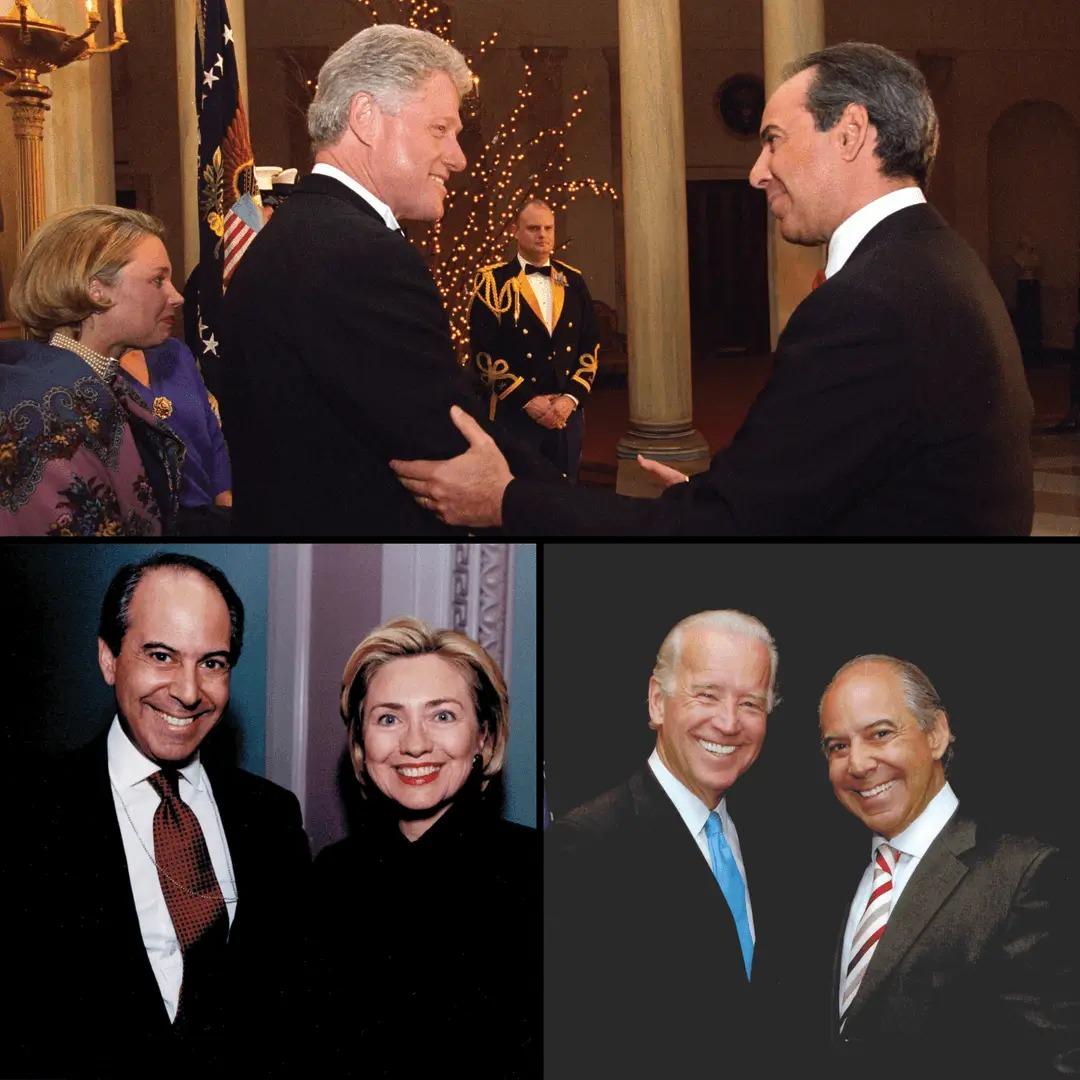
Persia, Politics & Prison: A Life in Three Parts by Hassan Nemazee offers one possible starting point. Its author describes an Iranian American family history, years in finance and politics, a bank fraud conviction, and federal imprisonment. The sharp contrast between those settings gives participants material to discuss, although his privileged background should not be taken as typical of the entire incarcerated population.
Before the meeting, invite participants to note passages they found informative, troubling, or incomplete. Encourage them to distinguish the narrator's description of an event from a conclusion about the whole justice system. A memoir is valuable evidence of one person's perspective. It is not a substitute for legal records, research, or the accounts of people whose experiences differ substantially from the author's.
Open the meeting with a question that does not demand immediate moral judgment: what did you learn about the author's life before the conviction that helped you understand the way he tells his story? Follow with a harder one: how does the book address the seriousness of the wrongdoing and those who were harmed? Starting this way signals that the discussion will include both context and accountability.
Next, consider the prison experience itself. Which descriptions concern individual relationships, and which point to institutional rules? Where does the author have firsthand knowledge, and where might another perspective be needed? Participants can disagree about interpretation while still identifying what the text actually says. The facilitator's job is to keep those distinctions visible, not to decide which reaction everyone should share.
A useful second round focuses on release. Ask what a person needs during the first month outside custody and which organizations might help. Employment, housing, banking, transportation, and family relationships often come up. Keep suggestions grounded in practical needs. Avoid assuming that a program suitable in one community will be available or appropriate everywhere.
People may bring personal experiences of crime, incarceration, or family separation to the room. Establish expectations for respectful discussion before anyone shares. No participant should be pressured to reveal private details or represent an entire group. It is also reasonable to acknowledge that people harmed by crime and people returning from custody may experience the same policy in very different ways.
Close with one question participants can carry forward: what additional information would help us make a more careful judgment? Groups might choose another memoir from a different background, invite a qualified reentry professional to speak, or review local resources. The aim is not to leave with a prepared opinion, but with more informed curiosity and a clearer sense of possible civic action.
The facilitator can also make a simple record of unanswered questions. Rather than trying to settle every disagreement, write down which claims need research and which experiences deserve another perspective. At the next meeting, participants can return with information from a different kind of source. This turns reading into an ongoing civic practice rather than a single evening's argument.
Conclusion
Reading together can turn a difficult subject into a thoughtful exchange rather than a series of fixed positions. The strongest conversations recognize harm, value firsthand experience, and remain open to evidence beyond one memoir.
Call to Action
Use Nemazee's work to begin a respectful discussion, then include additional authors and community perspectives. A well-chosen next reading can be as valuable as the first conversation.
Visit: https://hassannemazee.com/

 English
 Arabic
 French
 Spanish
 Portuguese
 Deutsch
 Turkish
 Dutch
 Italiano
 Russian
 Romaian
 Portuguese (Brazil)