


YiFan Conveyor Truck Loading Conveyor Manufacturers: Understanding Maintenance and Long-Term Support
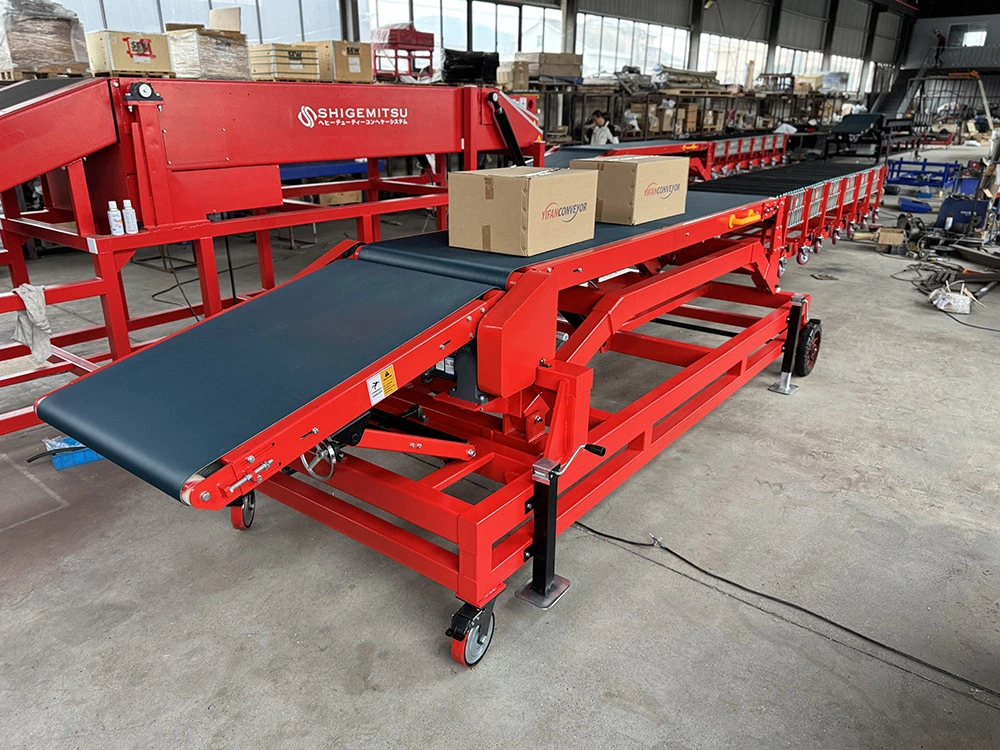
Purchasing a loading conveyor system represents just the beginning of a long-term relationship with the equipment and, by extension, with the manufacturer who built it, making ongoing maintenance and support considerations just as important as the initial purchase decision itself. Understanding what proper maintenance involves, and what kind of long-term support to expect from a quality manufacturer, helps businesses protect their investment and avoid unexpected downtime over the equipment's operational lifespan.
Establishing a Proper Maintenance Schedule
Loading conveyor systems, like any mechanical equipment subjected to regular heavy use, require routine maintenance to continue performing at their full designed capacity throughout their expected service life. This typically includes regular inspection of belts, motors, and bearings, along with appropriate lubrication and adjustment as components naturally wear through continuous daily operation over months and years of use. Establishing a clear maintenance schedule from the moment equipment is installed helps prevent the gradual performance decline that often results from deferred or neglected maintenance.
What Quality Manufacturers Provide for Ongoing Support
Reputable truck loading conveyor manufacturers typically provide detailed maintenance documentation, along with access to genuine replacement parts and, ideally, responsive technical support for troubleshooting issues that arise during normal operation. This ongoing support relationship matters considerably more than many buyers initially realize, since even well-built equipment will eventually need parts replacement or technical guidance at some point during its operational lifespan.
Training Staff for Basic Maintenance Tasks
While major repairs typically require professional technician involvement, training in-house staff to handle basic maintenance tasks, like routine cleaning, lubrication, and visual inspection, helps catch minor issues before they develop into more serious and costly problems. Manufacturers offering training resources or documentation specifically for this kind of basic in-house maintenance provide additional value that supports smoother, less disruptive long-term equipment operation for their customers.
Planning for Replacement Parts and Component Wear
Certain components, like belts and bearings, naturally wear out faster than the equipment's overall structural frame and will need periodic replacement throughout the conveyor system's operational lifespan. Understanding typical replacement schedules for these wear components, and confirming reliable parts availability with your chosen manufacturer, helps avoid extended downtime waiting for backordered parts when a component eventually needs replacement during normal operation.
Building a Long-Term Relationship With Your Manufacturer
The strongest equipment relationships extend well beyond the initial purchase transaction, with businesses maintaining ongoing communication with their manufacturer regarding performance feedback, potential upgrades, and any operational challenges that arise over the equipment's service life. Manufacturers who genuinely value this long-term relationship tend to provide better support and more honest guidance than those focused purely on completing the initial sale, making this relationship quality an important factor when evaluating potential suppliers.

 English
 Arabic
 French
 Spanish
 Portuguese
 Deutsch
 Turkish
 Dutch
Dutch
 Italiano
 Russian
 Portuguese (Brazil)
 Greek
Greek