Sponsored
  • THE NIGERIA CONVERSATION


    EPISODE 1


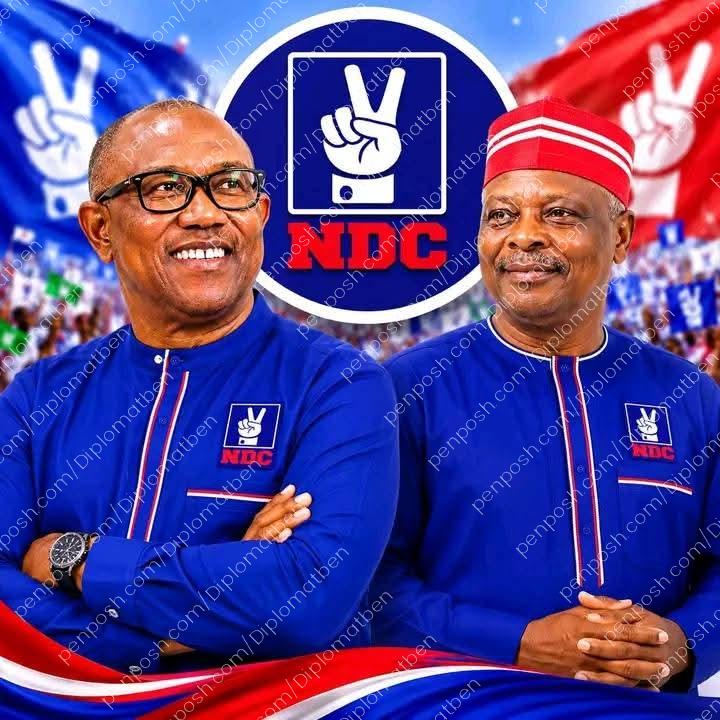
    PETER OBI AND RABIU KWANKWASO: A PARTNERSHIP THAT COULD REDEFINE NIGERIA'S POLITICAL FUTURE


    By Benjamin Emmanuel
    Political Affairs Researcher & Writer


    Leadership, National Unity and the Search for a New Direction


    Nigeria's future demands a serious national conversation about leadership, economic opportunity, security, education, and the kind of country the next generation will inherit.


    For millions of Nigerians, the question is no longer simply who occupies the highest political office. It is whether the people entrusted with power can build institutions that work, manage public resources responsibly, protect citizens, and create opportunities for ordinary families to prosper.


    Against this background, the political partnership between Peter Obi and Rabiu Musa Kwankwaso deserves close examination.


    The two politicians bring different experiences, political constituencies, and approaches to national development. Peter Obi, the former governor of Anambra State, has built his political message around prudent public expenditure, economic productivity, accountability, and institutional reform. Rabiu Musa Kwankwaso, the former governor of Kano State, has a political record associated with educational development, infrastructure, and grassroots political organisation.


    Their partnership brings these experiences into one national conversation.


    The important question is whether they can translate their different strengths into a coherent programme capable of addressing Nigeria's challenges.


    Two Political Journeys, One National Question


    Peter Obi rose to national prominence through his business background, his administration of Anambra State, and his 2023 presidential campaign under the Labour Party.


    His political message attracted considerable attention among young Nigerians and citizens demanding greater accountability, economic reform, and a different approach to public administration.


    Rabiu Musa Kwankwaso, meanwhile, developed a substantial political following through his years in public office, his two administrations in Kano State, and the Kwankwasiyya political movement.


    His political identity is particularly associated with northern grassroots mobilisation and educational initiatives.


    Their political histories are not identical. Neither are their policy positions on every issue.


    That difference makes the substance of their partnership especially important.


    A successful national administration would require more than bringing two influential politicians together. It would require them to agree on priorities, establish clear responsibilities, and demonstrate that their combined experience can produce practical solutions.


    In September 2026, Nigeria Democratic Congress chieftain Buba Galadima told Channels Television that the party was working to harmonise differences between the two politicians' policy blueprints. This indicates that policy alignment is an important part of the political project, rather than something that should simply be assumed.


    Why Their Combination Has Attracted Attention


    The appeal of the Obi–Kwankwaso partnership lies partly in the possibility of connecting economic reform with human development and national political cooperation.


    Nigeria needs a government that understands the importance of managing public finances responsibly. It also needs one that recognises that national development depends on schools, hospitals, infrastructure, security, and opportunities for young people.


    Fiscal discipline without adequate investment in people can leave communities behind. Educational expansion without sustainable financing can become difficult to maintain. Infrastructure without proper planning and accountability can consume public money without delivering sufficient economic benefits.


    The national challenge is to connect these priorities.


    Obi's emphasis on productive investment and public accountability could contribute to an economic programme that measures government spending against results. Kwankwaso's experience in Kano and his association with educational initiatives could contribute to discussions about expanding skills, improving access to education, and strengthening grassroots development.


    Together, these areas of experience could inform a national development agenda.


    Whether that potential becomes reality will depend on the policies they adopt, the quality of their appointments, the institutions they establish, and their willingness to publish measurable results.


    Beyond Geography: The Question of National Unity


    The Obi–Kwankwaso partnership also raises an important question about Nigeria's political future: can leaders from different regional backgrounds build a common programme that places citizenship and national development above sectional interests?


    Obi's political support has been particularly visible in southeastern Nigeria and among younger voters in other parts of the country. Kwankwaso has a substantial political base in Kano and among sections of the northern electorate.


    Their partnership creates an opportunity for cooperation across regional political boundaries.


    However, national unity requires more than a geographically diverse ticket.


    It requires fair treatment under the law, equal protection of citizens, transparent public appointments, and a commitment to serving communities regardless of their ethnic, religious, or political identities.


    Every region must be able to judge the government by its performance rather than by the background of its leaders.


    The real test of this partnership would be whether it can transform regional cooperation into a shared national project.


    The 2027 Question: What Would Change in the Lives of Nigerians?


    Political alliances become meaningful when they offer credible answers to everyday problems.


    A trader wants an economy in which prices are less unpredictable and businesses can survive. A farmer needs security, access to markets, and infrastructure that reduces production costs. A student needs quality education and a realistic pathway to employment. A parent wants affordable healthcare and the assurance that their children can travel safely.


    These concerns should form the foundation of any serious national programme.


    An Obi–Kwankwaso administration would need to explain how it intends to improve security, strengthen food production, support small businesses, expand educational opportunities, and make public spending more effective.


    It would also need to explain how its policies would be financed and how Nigerians could measure progress.


    Promises alone cannot establish the credibility of a government. The public needs clear targets, transparent budgets, independent oversight, and regular reports on what has been achieved.


    That is the difference between an appealing political message and an accountable governing programme.


    The Partnership Must Be Bigger Than Two Individuals


    One of the most important questions is how the two leaders would work together if entrusted with national responsibility.


    Peter Obi has publicly stated that Kwankwaso would not be a ceremonial vice president in his proposed administration. He has described the intended arrangement as one based on consultation and shared responsibility.


    That commitment raises an important institutional question: how would the partnership function in practice?


    The country would need clarity about the vice president's responsibilities, the administration's decision-making process, and the mechanism for resolving policy disagreements.


    It would also need a competent cabinet, a professional civil service, effective legislative oversight, and institutions capable of operating according to the law.


    No partnership, however promising its public presentation, can replace the need for sound institutions.


    Nigeria needs a government in which public responsibilities are clearly defined and the conduct of leaders remains subject to democratic accountability.


    Conclusion: A National Conversation Worth Having


    Peter Obi and Rabiu Musa Kwankwaso have brought different political experiences and constituencies into a common national project.


    Their partnership presents an opportunity to discuss how economic reform, education, security, accountability, and regional cooperation might be brought together within one governing programme.


    But the significance of that partnership will ultimately depend on its substance.


    Can the two politicians agree on a credible economic framework? Can they develop a practical security strategy? Can they make education and employment central to national development? Can they establish transparent institutions and demonstrate measurable improvements in people's lives?


    These are the questions that Nigerians should continue to examine.


    The country does not merely need new political arrangements. It needs a governing philosophy that translates public trust into public service.


    The Obi–Kwankwaso partnership deserves to be judged against that standard: not simply by the expectations surrounding two prominent politicians, but by the policies they present, the commitments they make, and the results they can demonstrate.


    The future of Nigeria should be a conversation about more than who leads. It must also be about how the country is governed, how its resources are used, and how every citizen can share in its progress.


    The Nigeria Conversation — examining leadership, governance, public policy, and the future of Nigeria.
    THE NIGERIA CONVERSATION EPISODE 1 PETER OBI AND RABIU KWANKWASO: A PARTNERSHIP THAT COULD REDEFINE NIGERIA'S POLITICAL FUTURE By Benjamin Emmanuel Political Affairs Researcher & Writer Leadership, National Unity and the Search for a New Direction Nigeria's future demands a serious national conversation about leadership, economic opportunity, security, education, and the kind of country the next generation will inherit. For millions of Nigerians, the question is no longer simply who occupies the highest political office. It is whether the people entrusted with power can build institutions that work, manage public resources responsibly, protect citizens, and create opportunities for ordinary families to prosper. Against this background, the political partnership between Peter Obi and Rabiu Musa Kwankwaso deserves close examination. The two politicians bring different experiences, political constituencies, and approaches to national development. Peter Obi, the former governor of Anambra State, has built his political message around prudent public expenditure, economic productivity, accountability, and institutional reform. Rabiu Musa Kwankwaso, the former governor of Kano State, has a political record associated with educational development, infrastructure, and grassroots political organisation. Their partnership brings these experiences into one national conversation. The important question is whether they can translate their different strengths into a coherent programme capable of addressing Nigeria's challenges. Two Political Journeys, One National Question Peter Obi rose to national prominence through his business background, his administration of Anambra State, and his 2023 presidential campaign under the Labour Party. His political message attracted considerable attention among young Nigerians and citizens demanding greater accountability, economic reform, and a different approach to public administration. Rabiu Musa Kwankwaso, meanwhile, developed a substantial political following through his years in public office, his two administrations in Kano State, and the Kwankwasiyya political movement. His political identity is particularly associated with northern grassroots mobilisation and educational initiatives. Their political histories are not identical. Neither are their policy positions on every issue. That difference makes the substance of their partnership especially important. A successful national administration would require more than bringing two influential politicians together. It would require them to agree on priorities, establish clear responsibilities, and demonstrate that their combined experience can produce practical solutions. In September 2026, Nigeria Democratic Congress chieftain Buba Galadima told Channels Television that the party was working to harmonise differences between the two politicians' policy blueprints. This indicates that policy alignment is an important part of the political project, rather than something that should simply be assumed. Why Their Combination Has Attracted Attention The appeal of the Obi–Kwankwaso partnership lies partly in the possibility of connecting economic reform with human development and national political cooperation. Nigeria needs a government that understands the importance of managing public finances responsibly. It also needs one that recognises that national development depends on schools, hospitals, infrastructure, security, and opportunities for young people. Fiscal discipline without adequate investment in people can leave communities behind. Educational expansion without sustainable financing can become difficult to maintain. Infrastructure without proper planning and accountability can consume public money without delivering sufficient economic benefits. The national challenge is to connect these priorities. Obi's emphasis on productive investment and public accountability could contribute to an economic programme that measures government spending against results. Kwankwaso's experience in Kano and his association with educational initiatives could contribute to discussions about expanding skills, improving access to education, and strengthening grassroots development. Together, these areas of experience could inform a national development agenda. Whether that potential becomes reality will depend on the policies they adopt, the quality of their appointments, the institutions they establish, and their willingness to publish measurable results. Beyond Geography: The Question of National Unity The Obi–Kwankwaso partnership also raises an important question about Nigeria's political future: can leaders from different regional backgrounds build a common programme that places citizenship and national development above sectional interests? Obi's political support has been particularly visible in southeastern Nigeria and among younger voters in other parts of the country. Kwankwaso has a substantial political base in Kano and among sections of the northern electorate. Their partnership creates an opportunity for cooperation across regional political boundaries. However, national unity requires more than a geographically diverse ticket. It requires fair treatment under the law, equal protection of citizens, transparent public appointments, and a commitment to serving communities regardless of their ethnic, religious, or political identities. Every region must be able to judge the government by its performance rather than by the background of its leaders. The real test of this partnership would be whether it can transform regional cooperation into a shared national project. The 2027 Question: What Would Change in the Lives of Nigerians? Political alliances become meaningful when they offer credible answers to everyday problems. A trader wants an economy in which prices are less unpredictable and businesses can survive. A farmer needs security, access to markets, and infrastructure that reduces production costs. A student needs quality education and a realistic pathway to employment. A parent wants affordable healthcare and the assurance that their children can travel safely. These concerns should form the foundation of any serious national programme. An Obi–Kwankwaso administration would need to explain how it intends to improve security, strengthen food production, support small businesses, expand educational opportunities, and make public spending more effective. It would also need to explain how its policies would be financed and how Nigerians could measure progress. Promises alone cannot establish the credibility of a government. The public needs clear targets, transparent budgets, independent oversight, and regular reports on what has been achieved. That is the difference between an appealing political message and an accountable governing programme. The Partnership Must Be Bigger Than Two Individuals One of the most important questions is how the two leaders would work together if entrusted with national responsibility. Peter Obi has publicly stated that Kwankwaso would not be a ceremonial vice president in his proposed administration. He has described the intended arrangement as one based on consultation and shared responsibility. That commitment raises an important institutional question: how would the partnership function in practice? The country would need clarity about the vice president's responsibilities, the administration's decision-making process, and the mechanism for resolving policy disagreements. It would also need a competent cabinet, a professional civil service, effective legislative oversight, and institutions capable of operating according to the law. No partnership, however promising its public presentation, can replace the need for sound institutions. Nigeria needs a government in which public responsibilities are clearly defined and the conduct of leaders remains subject to democratic accountability. Conclusion: A National Conversation Worth Having Peter Obi and Rabiu Musa Kwankwaso have brought different political experiences and constituencies into a common national project. Their partnership presents an opportunity to discuss how economic reform, education, security, accountability, and regional cooperation might be brought together within one governing programme. But the significance of that partnership will ultimately depend on its substance. Can the two politicians agree on a credible economic framework? Can they develop a practical security strategy? Can they make education and employment central to national development? Can they establish transparent institutions and demonstrate measurable improvements in people's lives? These are the questions that Nigerians should continue to examine. The country does not merely need new political arrangements. It needs a governing philosophy that translates public trust into public service. The Obi–Kwankwaso partnership deserves to be judged against that standard: not simply by the expectations surrounding two prominent politicians, but by the policies they present, the commitments they make, and the results they can demonstrate. The future of Nigeria should be a conversation about more than who leads. It must also be about how the country is governed, how its resources are used, and how every citizen can share in its progress. The Nigeria Conversation — examining leadership, governance, public policy, and the future of Nigeria.

    Love
    1
    0 Comments 0 Shares 957 Views 0 Reviews
  • THE OREDO CONVERSATION — EPISODE 5
    GRASSROOTS REPRESENTATION: HOW CLOSE SHOULD A REPRESENTATIVE BE TO THE PEOPLE?

    By Benjamin Emmanuel
    Political Affairs Researcher & Writer

    Leadership, Accessibility and the Responsibility to Listen

    Representation is not just about occupying a seat in the legislature. It is about listening to the people, communicating their concerns and pursuing solutions.

    For residents of Oredo Federal Constituency, accessibility and accountability are important measures of effective representation.

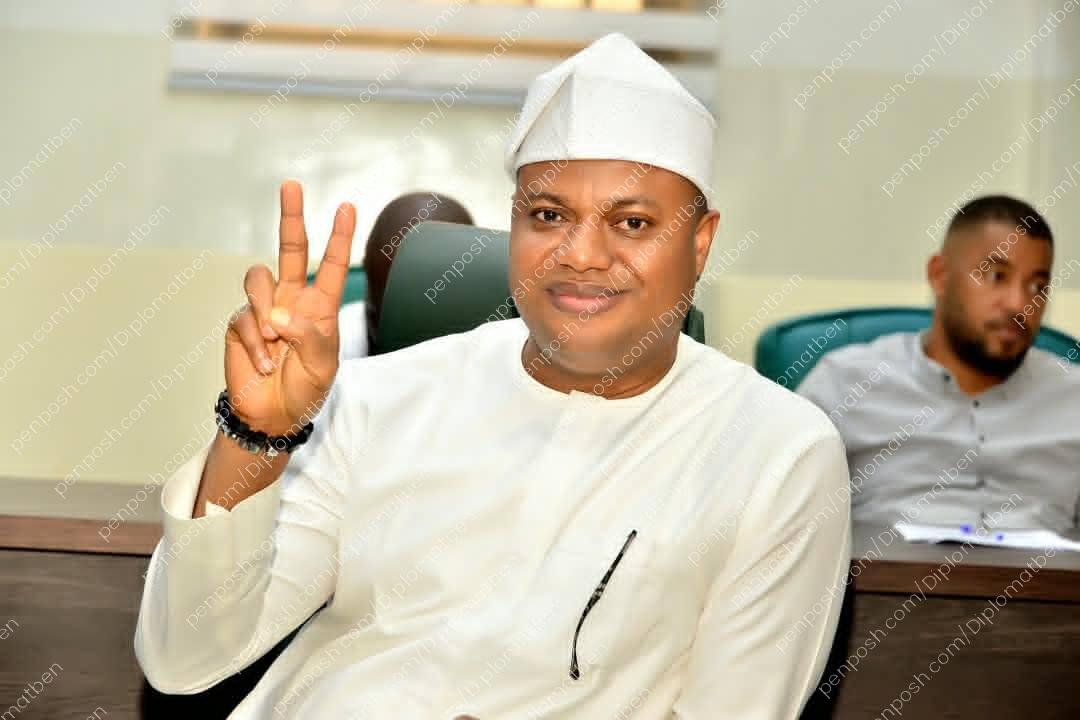
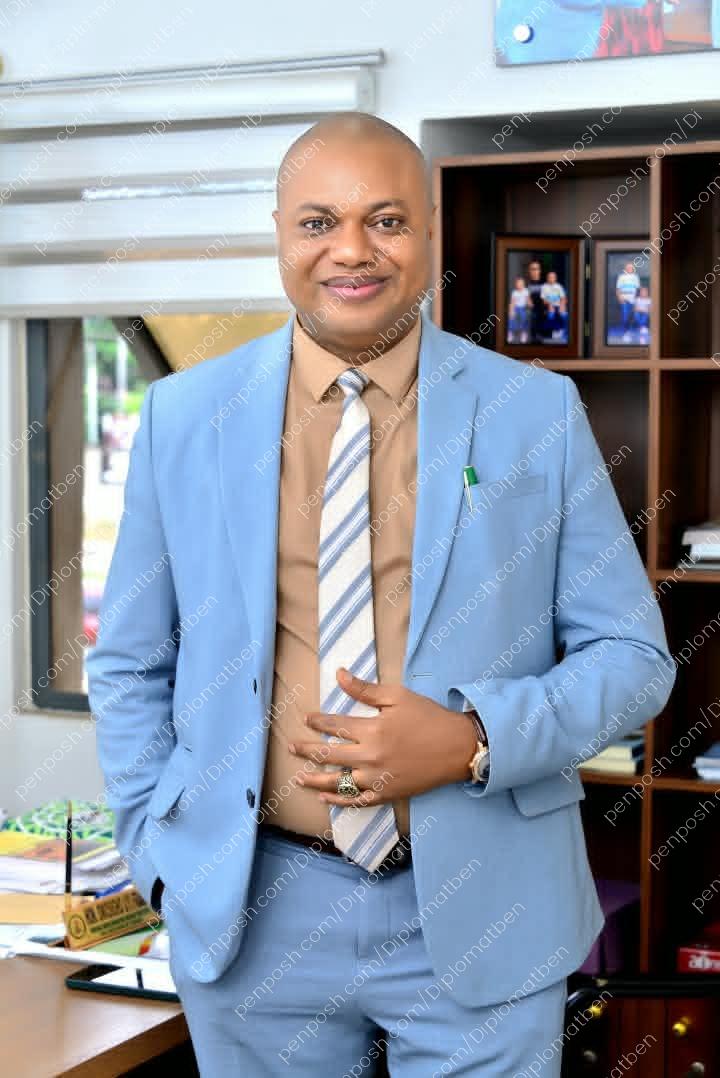
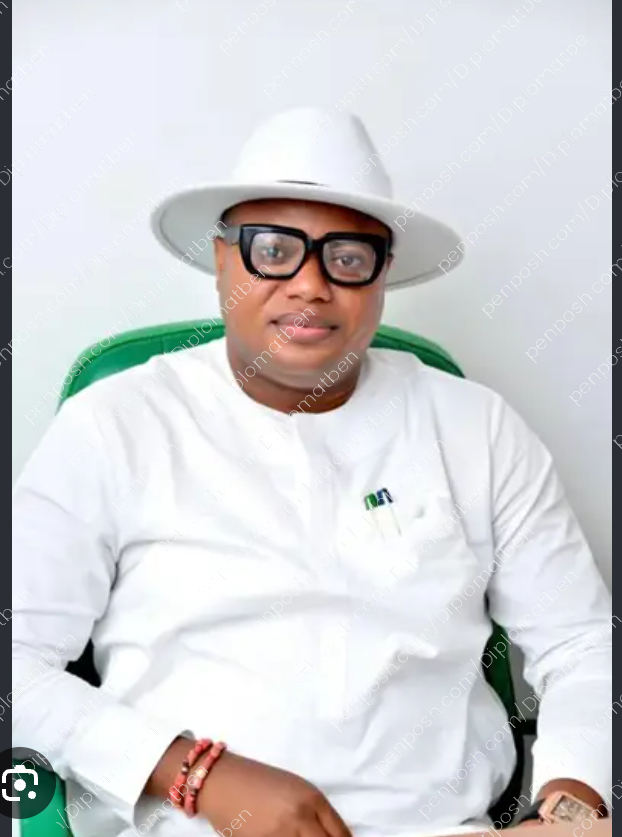
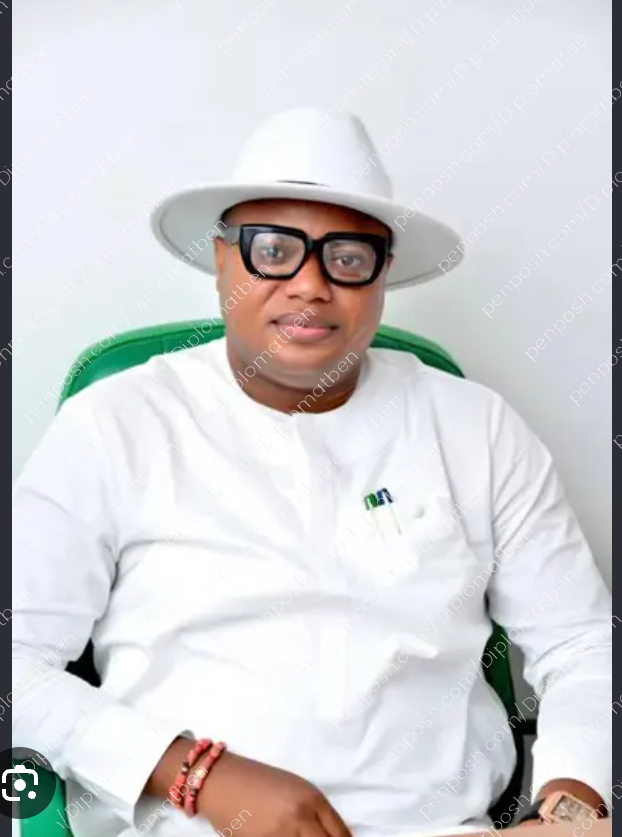
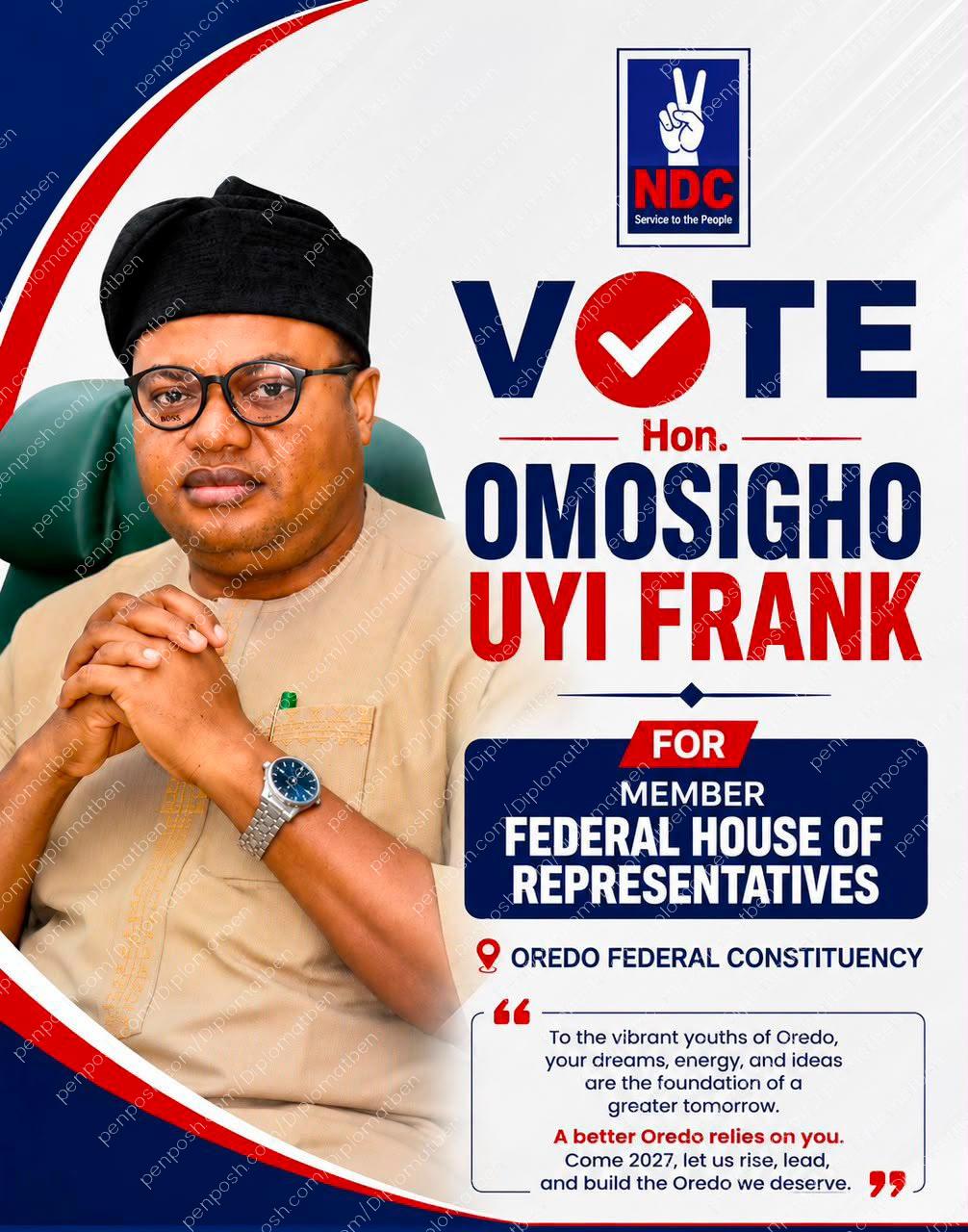
    As Hon. Frank Uyi Omosigho, the present lawmaker representing Oredo East in the Edo State House of Assembly, seeks a seat in the House of Representatives, his experience and public record are worth examining.

    Traders may prioritise markets and infrastructure. Young people may seek jobs, education and skills development, while families may be concerned about healthcare, security and good roads.

    These needs require consistent engagement between representatives and their constituents.

    FROM COMMUNITY CONCERNS TO ACTION

    Residents should be able to assess representatives by asking practical questions:

    - Are community concerns being heard?
    - Are constituents regularly informed about projects and interventions?
    - Are public commitments producing measurable results?
    - Are there clear channels for communication and accountability?

    These questions are relevant to every candidate, regardless of political affiliation.

    WHY GRASSROOTS ENGAGEMENT MATTERS

    At the federal level, representatives participate in lawmaking, oversight and national decision-making. Understanding local needs helps them raise relevant issues and engage the appropriate institutions.

    However, not every community challenge falls within the direct powers of a federal lawmaker. Honest communication and cooperation with state and local authorities are therefore essential.

    Ultimately, effective representation requires more than campaign appearances. It demands listening, transparency, realistic commitments and accountability.

    The distance between a representative and the people should not be measured only in kilometres, but by how effectively their concerns are heard and addressed.

    That remains an important question in the conversation about representation in Oredo Federal Constituency.

    Published on Penposh — Independent Digital Publishing Platform.
    THE OREDO CONVERSATION — EPISODE 5 GRASSROOTS REPRESENTATION: HOW CLOSE SHOULD A REPRESENTATIVE BE TO THE PEOPLE? By Benjamin Emmanuel Political Affairs Researcher & Writer Leadership, Accessibility and the Responsibility to Listen Representation is not just about occupying a seat in the legislature. It is about listening to the people, communicating their concerns and pursuing solutions. For residents of Oredo Federal Constituency, accessibility and accountability are important measures of effective representation. As Hon. Frank Uyi Omosigho, the present lawmaker representing Oredo East in the Edo State House of Assembly, seeks a seat in the House of Representatives, his experience and public record are worth examining. Traders may prioritise markets and infrastructure. Young people may seek jobs, education and skills development, while families may be concerned about healthcare, security and good roads. These needs require consistent engagement between representatives and their constituents. FROM COMMUNITY CONCERNS TO ACTION Residents should be able to assess representatives by asking practical questions: - Are community concerns being heard? - Are constituents regularly informed about projects and interventions? - Are public commitments producing measurable results? - Are there clear channels for communication and accountability? These questions are relevant to every candidate, regardless of political affiliation. WHY GRASSROOTS ENGAGEMENT MATTERS At the federal level, representatives participate in lawmaking, oversight and national decision-making. Understanding local needs helps them raise relevant issues and engage the appropriate institutions. However, not every community challenge falls within the direct powers of a federal lawmaker. Honest communication and cooperation with state and local authorities are therefore essential. Ultimately, effective representation requires more than campaign appearances. It demands listening, transparency, realistic commitments and accountability. The distance between a representative and the people should not be measured only in kilometres, but by how effectively their concerns are heard and addressed. That remains an important question in the conversation about representation in Oredo Federal Constituency. Published on Penposh — Independent Digital Publishing Platform.
    0 Comments 0 Shares 896 Views 0 Reviews
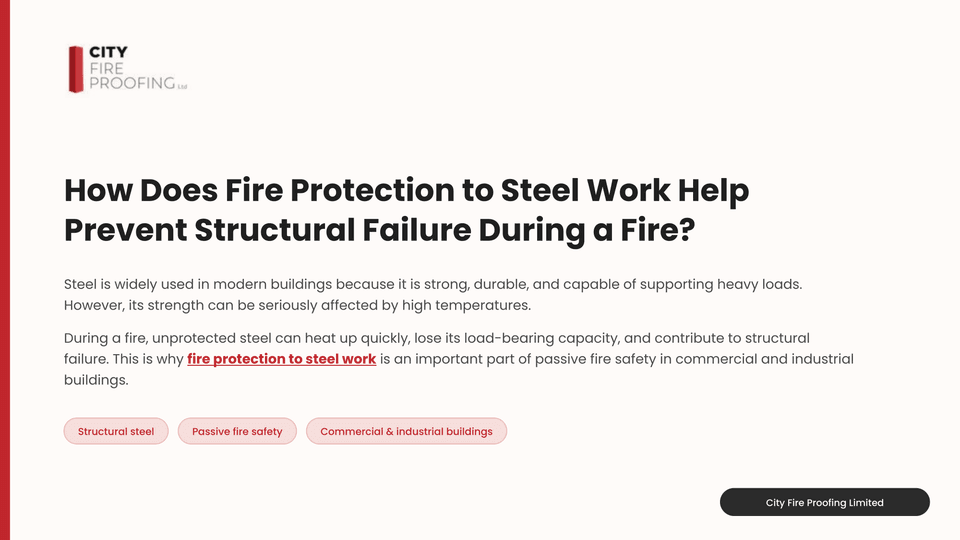
  • How Does Fire Protection to Steel Work Help Prevent Structural Failure During a Fire?


    Steel does not burn, but it loses strength and stiffness as its temperature rises. This guide explains why unprotected steel can bend, deform or buckle in a fire, and how fire protection to steel work slows the rate at which steel heats up. It also covers fire-resistant boards, spray-applied coatings and intumescent coatings.


    See Our Presentation: https://jumpshare.com/share/0pTpKApZv6HvGBi5ATJg
    How Does Fire Protection to Steel Work Help Prevent Structural Failure During a Fire? Steel does not burn, but it loses strength and stiffness as its temperature rises. This guide explains why unprotected steel can bend, deform or buckle in a fire, and how fire protection to steel work slows the rate at which steel heats up. It also covers fire-resistant boards, spray-applied coatings and intumescent coatings. See Our Presentation: https://jumpshare.com/share/0pTpKApZv6HvGBi5ATJg
    0 Comments 0 Shares 307 Views 0 Reviews
  • THE OREDO CONVERSATION — EPISODE 4


    BEYOND PROJECTS: INVESTING IN PEOPLE


    Healthcare, Education, Youth and Women in the Representation Conversation


    When people discuss political representation, the conversation often centres on roads, electricity, buildings and other physical projects.


    But communities are made up of people.


    And for many families, the most important question is not simply what infrastructure is being built, but whether representation is helping people gain access to healthcare, education, opportunity and economic support.


    This is another area in which Hon. Frank Uyi Omosigho's record as a representative of Oredo East Constituency has been presented for public examination.


    According to reports detailing his stated constituency interventions, Omosigho said 420 residents were enrolled in a health-insurance scheme, with beneficiaries paying only a portion of their hospital bills. A later report gave a higher figure of about 500 beneficiaries, demonstrating why constituency claims and project numbers should always be verified against available records.


    His reported education-related interventions include assistance with JAMB and SSCE registration and full university sponsorship for one outstanding student. He has also identified support for women starting small businesses and initiatives aimed at creating opportunities for young people.


    Youth engagement has reportedly included a constituency football tournament and efforts to facilitate employment opportunities for young people.


    These interventions raise a broader question:


    What should constituency representation mean to an ordinary person?


    For a student, representation might mean help accessing an examination or education opportunity.


    For a young person, it might mean skills, employment or a pathway away from unemployment and frustration.


    For a woman trying to establish a small business, access to basic support could make the difference between an idea remaining an idea and becoming a source of income.


    For a family facing medical expenses, health coverage can provide relief at a moment when it is most needed.


    This is why people-centred representation deserves as much attention as physical infrastructure.


    However, the same standard of accountability should apply here too.


    How many people actually benefited?


    How were beneficiaries selected?


    What was the source of funding?


    Were the interventions one-off or sustainable?


    What measurable impact did they produce?


    And perhaps the most important question:


    How can successful interventions be expanded to reach more people?


    These questions are particularly relevant as Omosigho seeks a federal mandate.


    The House of Representatives provides a different platform from the State House of Assembly. At the federal level, representation can involve advocating for national programmes, engaging federal agencies, participating in legislation and oversight, and pursuing constituency opportunities within the federal system.


    That means the discussion should move beyond what has already been done.


    It should also examine what can realistically be achieved at the next level.


    Omosigho has presented his existing record as evidence of his approach to grassroots representation. Whether that record meets the expectations of constituents is ultimately something the people themselves must assess.


    And that principle should apply to every candidate.


    Records should be examined.


    Beneficiaries should be heard.


    Claims should be verified.


    Promises should be questioned.


    Because political representation is ultimately about people—not statistics, photographs or campaign slogans.


    The real measure is whether public service creates opportunities, solves problems and improves the lives of the people it is meant to serve.


    That is why the conversation about Oredo must include not only projects, but also people.


    THE OREDO CONVERSATION


    EPISODE 4 — BEYOND PROJECTS: INVESTING IN PEOPLE


    By: Benjamin Emmanuel
    Political Affairs Researcher & Writer


    Published on Penposh
    Independent Digital Publishing Platform.
    THE OREDO CONVERSATION — EPISODE 4 BEYOND PROJECTS: INVESTING IN PEOPLE Healthcare, Education, Youth and Women in the Representation Conversation When people discuss political representation, the conversation often centres on roads, electricity, buildings and other physical projects. But communities are made up of people. And for many families, the most important question is not simply what infrastructure is being built, but whether representation is helping people gain access to healthcare, education, opportunity and economic support. This is another area in which Hon. Frank Uyi Omosigho's record as a representative of Oredo East Constituency has been presented for public examination. According to reports detailing his stated constituency interventions, Omosigho said 420 residents were enrolled in a health-insurance scheme, with beneficiaries paying only a portion of their hospital bills. A later report gave a higher figure of about 500 beneficiaries, demonstrating why constituency claims and project numbers should always be verified against available records. His reported education-related interventions include assistance with JAMB and SSCE registration and full university sponsorship for one outstanding student. He has also identified support for women starting small businesses and initiatives aimed at creating opportunities for young people. Youth engagement has reportedly included a constituency football tournament and efforts to facilitate employment opportunities for young people. These interventions raise a broader question: What should constituency representation mean to an ordinary person? For a student, representation might mean help accessing an examination or education opportunity. For a young person, it might mean skills, employment or a pathway away from unemployment and frustration. For a woman trying to establish a small business, access to basic support could make the difference between an idea remaining an idea and becoming a source of income. For a family facing medical expenses, health coverage can provide relief at a moment when it is most needed. This is why people-centred representation deserves as much attention as physical infrastructure. However, the same standard of accountability should apply here too. How many people actually benefited? How were beneficiaries selected? What was the source of funding? Were the interventions one-off or sustainable? What measurable impact did they produce? And perhaps the most important question: How can successful interventions be expanded to reach more people? These questions are particularly relevant as Omosigho seeks a federal mandate. The House of Representatives provides a different platform from the State House of Assembly. At the federal level, representation can involve advocating for national programmes, engaging federal agencies, participating in legislation and oversight, and pursuing constituency opportunities within the federal system. That means the discussion should move beyond what has already been done. It should also examine what can realistically be achieved at the next level. Omosigho has presented his existing record as evidence of his approach to grassroots representation. Whether that record meets the expectations of constituents is ultimately something the people themselves must assess. And that principle should apply to every candidate. Records should be examined. Beneficiaries should be heard. Claims should be verified. Promises should be questioned. Because political representation is ultimately about people—not statistics, photographs or campaign slogans. The real measure is whether public service creates opportunities, solves problems and improves the lives of the people it is meant to serve. That is why the conversation about Oredo must include not only projects, but also people. THE OREDO CONVERSATION EPISODE 4 — BEYOND PROJECTS: INVESTING IN PEOPLE By: Benjamin Emmanuel Political Affairs Researcher & Writer Published on Penposh Independent Digital Publishing Platform.
    1 Comments 0 Shares 1K Views 0 Reviews
  • Short Term Rental Property Management Scotland: What Owners Actually Need


    A Scottish holiday rental can look like an easy little money-maker from a distance: nice cottage, decent photographs, booking calendar filling up, money landing in the account.


    Then the guest calls at 10:17 p.m. because they can't find the key.


    The heating isn't working.


    And the cleaner has just texted to say the washing machine has decided it’s finished with life.


    That’s when Short Term Rental Property Management Scotland stops sounding like a fancy service and starts sounding like a sensible idea.


    Running a Holiday Rental Is Not Passive


    There’s a strange belief that short-term rental income is basically free money with better curtains.


    It isn't.


    Someone has to answer messages, organise cleaning, check for damage, restock essentials, sort out maintenance and make sure the property is actually ready when the next guest arrives.


    And guests don't care that you’re two hours away.


    They care that the Wi-Fi works.


    They care that the shower gets hot.


    They care that the front-door instructions don't read like a treasure hunt written by someone who hates tourists.


    Small details matter.


    Scottish Rental Demand Can Change Quickly


    A property that gets booked solidly one month can have a surprisingly empty calendar the next.


    Edinburgh weekends can behave very differently from quiet weekdays. A rural cottage might see strong demand during certain holiday periods but slower bookings outside them. Events, school holidays, weather and local demand can all affect what guests are willing to pay.


    That means pricing shouldn't be carved into stone.


    It needs attention.


    A nightly rate that looked clever three months ago might now be costing you bookings, while an unnecessarily low rate could leave money sitting on the table.


    Neither is particularly clever.


    Guests Don't Want To Wait


    This is one of the realities owners usually discover after taking on their first handful of bookings.


    Guests ask questions at inconvenient times.


    Where do I park?


    Which door do I use?


    Is there a hairdryer?


    The heating isn't working.


    Can someone help?


    You can answer all of that yourself, of course. But after you've spent your evening replying to messages instead of eating dinner, the charm wears off rather quickly.


    Professional management keeps those conversations moving without requiring you to keep your phone permanently within arm's reach.


    Cleaning Is Where Reviews Get Won or Lost


    Guests will forgive a lot.


    A dirty bathroom isn't usually one of those things.


    Neither is hair in the shower, crumbs underneath the sofa or a kitchen that clearly hasn't been properly checked since the previous guests left.


    I’d argue cleaning is one of the least exciting parts of holiday rentals and one of the most important.


    The property has to feel fresh the moment the guest walks through the door.


    Not “fresh enough.”


    Actually fresh.


    Why Owners Use Professional Management


    With Short Term Rental Property Management Scotland, owners can hand over the daily running of the property while keeping their attention on the bigger picture.


    At Vacant Nests, we believe a holiday rental should be managed like a business, not treated as a listing you upload once and forget about.


    That means staying on top of pricing, guest communication, cleaning, maintenance, presentation and all those irritating little jobs that somehow multiply when you aren't watching.
    https://vacantnests.com/property-management/
    Short Term Rental Property Management Scotland: What Owners Actually Need A Scottish holiday rental can look like an easy little money-maker from a distance: nice cottage, decent photographs, booking calendar filling up, money landing in the account. Then the guest calls at 10:17 p.m. because they can't find the key. The heating isn't working. And the cleaner has just texted to say the washing machine has decided it’s finished with life. That’s when Short Term Rental Property Management Scotland stops sounding like a fancy service and starts sounding like a sensible idea. Running a Holiday Rental Is Not Passive There’s a strange belief that short-term rental income is basically free money with better curtains. It isn't. Someone has to answer messages, organise cleaning, check for damage, restock essentials, sort out maintenance and make sure the property is actually ready when the next guest arrives. And guests don't care that you’re two hours away. They care that the Wi-Fi works. They care that the shower gets hot. They care that the front-door instructions don't read like a treasure hunt written by someone who hates tourists. Small details matter. Scottish Rental Demand Can Change Quickly A property that gets booked solidly one month can have a surprisingly empty calendar the next. Edinburgh weekends can behave very differently from quiet weekdays. A rural cottage might see strong demand during certain holiday periods but slower bookings outside them. Events, school holidays, weather and local demand can all affect what guests are willing to pay. That means pricing shouldn't be carved into stone. It needs attention. A nightly rate that looked clever three months ago might now be costing you bookings, while an unnecessarily low rate could leave money sitting on the table. Neither is particularly clever. Guests Don't Want To Wait This is one of the realities owners usually discover after taking on their first handful of bookings. Guests ask questions at inconvenient times. Where do I park? Which door do I use? Is there a hairdryer? The heating isn't working. Can someone help? You can answer all of that yourself, of course. But after you've spent your evening replying to messages instead of eating dinner, the charm wears off rather quickly. Professional management keeps those conversations moving without requiring you to keep your phone permanently within arm's reach. Cleaning Is Where Reviews Get Won or Lost Guests will forgive a lot. A dirty bathroom isn't usually one of those things. Neither is hair in the shower, crumbs underneath the sofa or a kitchen that clearly hasn't been properly checked since the previous guests left. I’d argue cleaning is one of the least exciting parts of holiday rentals and one of the most important. The property has to feel fresh the moment the guest walks through the door. Not “fresh enough.” Actually fresh. Why Owners Use Professional Management With Short Term Rental Property Management Scotland, owners can hand over the daily running of the property while keeping their attention on the bigger picture. At Vacant Nests, we believe a holiday rental should be managed like a business, not treated as a listing you upload once and forget about. That means staying on top of pricing, guest communication, cleaning, maintenance, presentation and all those irritating little jobs that somehow multiply when you aren't watching. https://vacantnests.com/property-management/
    VACANTNESTS.COM
    Short Term Rental Property Management Scotland | Vacant Nests
    Professional short-term rental property management in Scotland by Vacant Nests. Maximise bookings without the landlord headaches.
    0 Comments 0 Shares 898 Views 0 Reviews
  • Video Production Company in Dubai provides professional corporate video production solutions designed to help businesses communicate their vision, services, culture, and achievements effectively. Corporate videos can be used for company profiles, brand presentations, employee communication, training, promotional campaigns, interviews, events, and digital marketing. A professional production process typically includes concept development, scripting, pre-production planning, filming, lighting, sound recording, editing, motion graphics, colour correction, and final delivery. The right combination of storytelling and production quality can help businesses present their message in a clear and professional way while creating stronger connections with their target audience. From established companies to growing brands, businesses can use professionally produced corporate content to strengthen communication, improve brand presentation, and create useful visual assets for websites, social media, presentations, campaigns, and other digital platforms.


    https://anamyaproductions.ae/
    Video Production Company in Dubai provides professional corporate video production solutions designed to help businesses communicate their vision, services, culture, and achievements effectively. Corporate videos can be used for company profiles, brand presentations, employee communication, training, promotional campaigns, interviews, events, and digital marketing. A professional production process typically includes concept development, scripting, pre-production planning, filming, lighting, sound recording, editing, motion graphics, colour correction, and final delivery. The right combination of storytelling and production quality can help businesses present their message in a clear and professional way while creating stronger connections with their target audience. From established companies to growing brands, businesses can use professionally produced corporate content to strengthen communication, improve brand presentation, and create useful visual assets for websites, social media, presentations, campaigns, and other digital platforms. https://anamyaproductions.ae/
    ANAMYAPRODUCTIONS.AE
    Anamya Productions Dubai | Premier Video & Ad Film Production
    Anamya Productions Dubai delivers high-end ad films, corporate videos, and digital content with creativity and innovation.
    0 Comments 0 Shares 815 Views 0 Reviews
  • THE OREDO CONVERSATION — EPISODE 3


    WHEN REPRESENTATION BECOMES VISIBLE


    Infrastructure, Community Needs and the Meaning of Constituency Service


    What does effective representation look like?


    Sometimes, it is found in legislation. Sometimes, it is found in advocacy. And sometimes, it is something people can physically see when they walk through their communities.


    For Hon. Frank Uyi Omosigho, infrastructure has been one of the areas highlighted in discussions about his record as the representative of Oredo East Constituency in the Edo State House of Assembly.


    According to a September 2026 report detailing his account of his constituency interventions, Omosigho said his tenure had included the installation of more than 5,000 streetlights and the provision of 11 transformers across the six wards of his constituency. He said these interventions were intended to improve security and electricity supply.


    He also identified the construction of a town hall at Umegbe, which he said serves about 22 communities, as well as ongoing borehole projects.


    These claims deserve attention—not simply because infrastructure makes for attractive campaign material, but because basic infrastructure remains closely connected to everyday life.


    A functioning streetlight can make movement at night safer.


    Electricity infrastructure can support homes and businesses.


    Access to water can make a difference to families and communities.


    And a community facility can provide a place where residents can meet, organise and address common concerns.


    But there is another side to the infrastructure question.


    How should constituents measure the success of a project?


    Is it enough for a project to be announced?


    Should residents be able to identify where it is located?


    Who financed it?


    Who implemented it?


    Who benefits from it?


    Is it functioning?


    And who is responsible for maintaining it?


    These questions are important because responsible representation should ultimately be about impact and accountability, not simply the number of projects mentioned during a campaign.


    Omosigho's reported record provides an opportunity to examine these questions as he seeks to move from state-level representation to the House of Representatives.


    At the federal level, the scope becomes broader. A representative can advocate for federal projects and interventions, engage government agencies, participate in budget and oversight processes, and raise issues affecting constituents at the national level.


    That makes the conversation about infrastructure particularly relevant to Oredo Federal Constituency.


    Oredo is a large and diverse constituency with communities facing different needs. Roads, drainage, electricity, water, healthcare facilities, schools, security infrastructure and economic opportunities are issues that can affect residents differently from one community to another.


    Therefore, the question before any candidate should not simply be:


    “What projects will you promise?”


    A better question is:


    “What problems have you identified, what solutions are you proposing, and how will you be accountable for delivering them?”


    For Omosigho, the infrastructure record he has presented from Oredo East is part of the evidence voters may consider as they assess his suitability for a wider federal mandate.


    But the same standard should apply to every candidate.


    Records should be examined.


    Projects should be verified.


    Promises should be questioned.


    And constituents should remain at the centre of the conversation.


    Because representation is not ultimately about how many things can be listed on a campaign poster.


    It is about whether public service produces meaningful results in the lives of the people.


    That is the conversation Oredo deserves.


    THE OREDO CONVERSATION


    EPISODE 3 — WHEN REPRESENTATION BECOMES VISIBLE


    By: Benjamin Emmanuel
    Political Affairs Researcher & Writer


    Published on Penposh
    Independent Digital Publishing Platform
    THE OREDO CONVERSATION — EPISODE 3 WHEN REPRESENTATION BECOMES VISIBLE Infrastructure, Community Needs and the Meaning of Constituency Service What does effective representation look like? Sometimes, it is found in legislation. Sometimes, it is found in advocacy. And sometimes, it is something people can physically see when they walk through their communities. For Hon. Frank Uyi Omosigho, infrastructure has been one of the areas highlighted in discussions about his record as the representative of Oredo East Constituency in the Edo State House of Assembly. According to a September 2026 report detailing his account of his constituency interventions, Omosigho said his tenure had included the installation of more than 5,000 streetlights and the provision of 11 transformers across the six wards of his constituency. He said these interventions were intended to improve security and electricity supply. He also identified the construction of a town hall at Umegbe, which he said serves about 22 communities, as well as ongoing borehole projects. These claims deserve attention—not simply because infrastructure makes for attractive campaign material, but because basic infrastructure remains closely connected to everyday life. A functioning streetlight can make movement at night safer. Electricity infrastructure can support homes and businesses. Access to water can make a difference to families and communities. And a community facility can provide a place where residents can meet, organise and address common concerns. But there is another side to the infrastructure question. How should constituents measure the success of a project? Is it enough for a project to be announced? Should residents be able to identify where it is located? Who financed it? Who implemented it? Who benefits from it? Is it functioning? And who is responsible for maintaining it? These questions are important because responsible representation should ultimately be about impact and accountability, not simply the number of projects mentioned during a campaign. Omosigho's reported record provides an opportunity to examine these questions as he seeks to move from state-level representation to the House of Representatives. At the federal level, the scope becomes broader. A representative can advocate for federal projects and interventions, engage government agencies, participate in budget and oversight processes, and raise issues affecting constituents at the national level. That makes the conversation about infrastructure particularly relevant to Oredo Federal Constituency. Oredo is a large and diverse constituency with communities facing different needs. Roads, drainage, electricity, water, healthcare facilities, schools, security infrastructure and economic opportunities are issues that can affect residents differently from one community to another. Therefore, the question before any candidate should not simply be: “What projects will you promise?” A better question is: “What problems have you identified, what solutions are you proposing, and how will you be accountable for delivering them?” For Omosigho, the infrastructure record he has presented from Oredo East is part of the evidence voters may consider as they assess his suitability for a wider federal mandate. But the same standard should apply to every candidate. Records should be examined. Projects should be verified. Promises should be questioned. And constituents should remain at the centre of the conversation. Because representation is not ultimately about how many things can be listed on a campaign poster. It is about whether public service produces meaningful results in the lives of the people. That is the conversation Oredo deserves. THE OREDO CONVERSATION EPISODE 3 — WHEN REPRESENTATION BECOMES VISIBLE By: Benjamin Emmanuel Political Affairs Researcher & Writer Published on Penposh Independent Digital Publishing Platform
    0 Comments 0 Shares 1K Views 0 Reviews
  • THE OREDO CONVERSATION — EPISODE 2


    FROM OREDO EAST TO THE NATIONAL ASSEMBLY


    What Does Legislative Experience Mean at the Federal Level?


    A political journey can be measured in many ways.


    For some, it is measured by the offices they have occupied. For others, it is measured by the issues they have raised, the communities they have represented and the responsibilities they have taken on along the way.


    For Hon. Frank Uyi Omosigho, the current political conversation is about a transition—from representing Oredo East Constituency in the Edo State House of Assembly to seeking a seat representing Oredo Federal Constituency in the House of Representatives.


    Omosigho was elected to represent Oredo East in the 2023 Edo State House of Assembly election. Contemporary reports from the supplementary election recorded him as the winner of the Oredo East constituency election.


    Three years later, the scale of the political responsibility he is seeking has changed.


    The Edo State House of Assembly deals primarily with matters within the constitutional responsibilities of the state, while the National Assembly operates at the federal level, dealing with national legislation, federal oversight and matters affecting the country as a whole.


    That difference makes experience worth examining.


    What lessons can a state legislator carry into the National Assembly?


    Omosigho has argued that his experience at the Edo State House of Assembly has prepared him for what he describes as a higher level of service. In a September 2026 report, he said his decision to seek the federal seat was driven by constituents who wanted his interventions extended to the federal level.


    He has also presented his record in Oredo East as part of the basis for that aspiration, pointing to reported interventions involving healthcare, street lighting, electricity infrastructure, water projects, education, youth opportunities and women's empowerment. Those claims remain matters that can be examined against project records and the experiences of beneficiaries.


    But federal representation requires more than transferring a list of constituency projects from one level of government to another.


    A member of the House of Representatives participates in federal lawmaking and oversight and represents an entire federal constituency at the national level.


    That means the transition raises several important questions.


    Can experience at the state level translate into effective federal representation?


    Which issues from Oredo East require federal intervention?


    What legislation would benefit the wider Oredo Federal Constituency?


    How would federal agencies and institutions be engaged on constituency needs?


    What mechanisms would be used to keep constituents informed about activities in Abuja?


    These questions are not unique to Omosigho.


    They are questions that can—and should—be asked of every candidate seeking to represent Oredo Federal Constituency.


    Omosigho's political journey also includes a recent party change. In June 2026, Channels Television reported that he was among Edo lawmakers who moved from the All Progressives Congress to the Nigerian Democratic Congress.


    In August, reporting on the NDC's unveiling of its candidates identified Omosigho as the party's candidate for Oredo Federal Constituency.


    That development forms part of the current political context surrounding his candidacy.


    But beyond party labels, the central issue remains representation.


    The people of Oredo Federal Constituency will have the opportunity to examine the records, experience, positions and proposals of those seeking the mandate.


    For Omosigho, the question is no longer only what has been done at the state level.


    It is also what that experience could mean for representation at the federal level.


    From Oredo East to Abuja, the responsibility becomes wider.


    And with a wider responsibility comes a wider standard of accountability.


    THE OREDO CONVERSATION


    EPISODE 2 — FROM OREDO EAST TO THE NATIONAL ASSEMBLY


    By: Benjamin Emmanuel
    Political Affairs Researcher & Writer


    Published on Penposh
    Independent Digital Publishing Platform.
    THE OREDO CONVERSATION — EPISODE 2 FROM OREDO EAST TO THE NATIONAL ASSEMBLY What Does Legislative Experience Mean at the Federal Level? A political journey can be measured in many ways. For some, it is measured by the offices they have occupied. For others, it is measured by the issues they have raised, the communities they have represented and the responsibilities they have taken on along the way. For Hon. Frank Uyi Omosigho, the current political conversation is about a transition—from representing Oredo East Constituency in the Edo State House of Assembly to seeking a seat representing Oredo Federal Constituency in the House of Representatives. Omosigho was elected to represent Oredo East in the 2023 Edo State House of Assembly election. Contemporary reports from the supplementary election recorded him as the winner of the Oredo East constituency election. Three years later, the scale of the political responsibility he is seeking has changed. The Edo State House of Assembly deals primarily with matters within the constitutional responsibilities of the state, while the National Assembly operates at the federal level, dealing with national legislation, federal oversight and matters affecting the country as a whole. That difference makes experience worth examining. What lessons can a state legislator carry into the National Assembly? Omosigho has argued that his experience at the Edo State House of Assembly has prepared him for what he describes as a higher level of service. In a September 2026 report, he said his decision to seek the federal seat was driven by constituents who wanted his interventions extended to the federal level. He has also presented his record in Oredo East as part of the basis for that aspiration, pointing to reported interventions involving healthcare, street lighting, electricity infrastructure, water projects, education, youth opportunities and women's empowerment. Those claims remain matters that can be examined against project records and the experiences of beneficiaries. But federal representation requires more than transferring a list of constituency projects from one level of government to another. A member of the House of Representatives participates in federal lawmaking and oversight and represents an entire federal constituency at the national level. That means the transition raises several important questions. Can experience at the state level translate into effective federal representation? Which issues from Oredo East require federal intervention? What legislation would benefit the wider Oredo Federal Constituency? How would federal agencies and institutions be engaged on constituency needs? What mechanisms would be used to keep constituents informed about activities in Abuja? These questions are not unique to Omosigho. They are questions that can—and should—be asked of every candidate seeking to represent Oredo Federal Constituency. Omosigho's political journey also includes a recent party change. In June 2026, Channels Television reported that he was among Edo lawmakers who moved from the All Progressives Congress to the Nigerian Democratic Congress. In August, reporting on the NDC's unveiling of its candidates identified Omosigho as the party's candidate for Oredo Federal Constituency. That development forms part of the current political context surrounding his candidacy. But beyond party labels, the central issue remains representation. The people of Oredo Federal Constituency will have the opportunity to examine the records, experience, positions and proposals of those seeking the mandate. For Omosigho, the question is no longer only what has been done at the state level. It is also what that experience could mean for representation at the federal level. From Oredo East to Abuja, the responsibility becomes wider. And with a wider responsibility comes a wider standard of accountability. THE OREDO CONVERSATION EPISODE 2 — FROM OREDO EAST TO THE NATIONAL ASSEMBLY By: Benjamin Emmanuel Political Affairs Researcher & Writer Published on Penposh Independent Digital Publishing Platform.
    0 Comments 1 Shares 4K Views 0 Reviews
  • THE OREDO CONVERSATION — EPISODE 1


    THE RECORD BEFORE THE PROMISE


    Hon. Frank Uyi Omosigho: From Oredo East to the Wider Oredo Conversation


    In politics, promises are easy to make.


    Records are harder to build.


    As Hon. Frank Uyi Omosigho seeks election to the House of Representatives for Oredo Federal Constituency, an important question deserves attention:


    What record is he bringing to the table?


    Omosigho is a serving member of the Edo State House of Assembly representing Oredo East Constituency. Recent reporting says he is seeking to take his legislative experience to the federal level, where the responsibilities would include federal lawmaking, oversight and constituency representation.


    According to a September 2026 report, Omosigho has identified a number of interventions from his time representing Oredo East. These include the reported enrolment of 420 residents in a health-insurance scheme, installation of more than 5,000 streetlights, provision of 11 transformers, construction of a town hall at Umegbe serving about 22 communities, and ongoing borehole projects.


    The same report attributes to him other constituency initiatives involving women-owned small businesses, JAMB and SSCE registration, university sponsorship, youth employment facilitation and a constituency football tournament. These figures and claims are attributed to the candidate and are matters that can be examined through available records and the experiences of beneficiaries.


    His legislative activities have also included issues concerning security. Reporting from 2023 documented Omosigho's involvement in a motion concerning suspected cult-related killings in Edo State and calls for action by government and security agencies.


    But a political record should not simply be accepted because it appears in a campaign statement.


    It should be examined.


    What was promised?


    What was actually delivered?


    Who benefited?


    What legislative actions were taken?


    What evidence is available?


    And what do constituents themselves say about the impact?


    These questions are important because moving from the Edo State House of Assembly to the House of Representatives represents a change in the scale and responsibilities of public office.


    The federal level involves issues that extend beyond a single state constituency—national legislation, federal oversight, constituency advocacy and engagement with federal institutions.


    Omosigho's candidacy therefore provides an opportunity to examine how his previous experience, stated priorities and record compare with the responsibilities of the office he is seeking.


    That is the purpose of THE OREDO CONVERSATION.


    This series will examine the issues surrounding Oredo Federal Constituency—infrastructure, healthcare, education, youth opportunities, women empowerment, security, legislative experience, grassroots engagement and the proposals of candidates seeking to represent the constituency.


    The objective is not simply to repeat campaign promises.


    It is to examine the record, the issues, the evidence and the questions that matter to Oredo.


    THE OREDO CONVERSATION


    EPISODE 1 — THE RECORD BEFORE THE PROMISE


    Hon. Frank Uyi Omosigho
    Candidate for House of Representatives
    Oredo Federal Constituency


    By: Benjamin Emmanuel
    Political Affairs Researcher & Writer


    Published on Penposh
    Independent Digital Publishing Platform


    «Editorial Note: This article is part of an independent political-affairs series. Publication on Penposh does not constitute an endorsement of any candidate, political party or political position. Claims and records discussed in the series should be considered alongside publicly available evidence and other perspectives.»
    THE OREDO CONVERSATION — EPISODE 1 THE RECORD BEFORE THE PROMISE Hon. Frank Uyi Omosigho: From Oredo East to the Wider Oredo Conversation In politics, promises are easy to make. Records are harder to build. As Hon. Frank Uyi Omosigho seeks election to the House of Representatives for Oredo Federal Constituency, an important question deserves attention: What record is he bringing to the table? Omosigho is a serving member of the Edo State House of Assembly representing Oredo East Constituency. Recent reporting says he is seeking to take his legislative experience to the federal level, where the responsibilities would include federal lawmaking, oversight and constituency representation. According to a September 2026 report, Omosigho has identified a number of interventions from his time representing Oredo East. These include the reported enrolment of 420 residents in a health-insurance scheme, installation of more than 5,000 streetlights, provision of 11 transformers, construction of a town hall at Umegbe serving about 22 communities, and ongoing borehole projects. The same report attributes to him other constituency initiatives involving women-owned small businesses, JAMB and SSCE registration, university sponsorship, youth employment facilitation and a constituency football tournament. These figures and claims are attributed to the candidate and are matters that can be examined through available records and the experiences of beneficiaries. His legislative activities have also included issues concerning security. Reporting from 2023 documented Omosigho's involvement in a motion concerning suspected cult-related killings in Edo State and calls for action by government and security agencies. But a political record should not simply be accepted because it appears in a campaign statement. It should be examined. What was promised? What was actually delivered? Who benefited? What legislative actions were taken? What evidence is available? And what do constituents themselves say about the impact? These questions are important because moving from the Edo State House of Assembly to the House of Representatives represents a change in the scale and responsibilities of public office. The federal level involves issues that extend beyond a single state constituency—national legislation, federal oversight, constituency advocacy and engagement with federal institutions. Omosigho's candidacy therefore provides an opportunity to examine how his previous experience, stated priorities and record compare with the responsibilities of the office he is seeking. That is the purpose of THE OREDO CONVERSATION. This series will examine the issues surrounding Oredo Federal Constituency—infrastructure, healthcare, education, youth opportunities, women empowerment, security, legislative experience, grassroots engagement and the proposals of candidates seeking to represent the constituency. The objective is not simply to repeat campaign promises. It is to examine the record, the issues, the evidence and the questions that matter to Oredo. THE OREDO CONVERSATION EPISODE 1 — THE RECORD BEFORE THE PROMISE Hon. Frank Uyi Omosigho Candidate for House of Representatives Oredo Federal Constituency By: Benjamin Emmanuel Political Affairs Researcher & Writer Published on Penposh Independent Digital Publishing Platform «Editorial Note: This article is part of an independent political-affairs series. Publication on Penposh does not constitute an endorsement of any candidate, political party or political position. Claims and records discussed in the series should be considered alongside publicly available evidence and other perspectives.»
    Love
    1
    0 Comments 0 Shares 2K Views 0 Reviews
  • Make Your Business Presentation Stand Out With Pitch Deck Writing


    Turn your business ideas into a clear and engaging story with Pitch Deck Writing services. Present key information, business goals, market opportunities, and growth plans in a structured format that keeps your audience focused and informed.


    https://www.pitchdeckpartners.com/pitch-deck-writing-services
    Make Your Business Presentation Stand Out With Pitch Deck Writing Turn your business ideas into a clear and engaging story with Pitch Deck Writing services. Present key information, business goals, market opportunities, and growth plans in a structured format that keeps your audience focused and informed. https://www.pitchdeckpartners.com/pitch-deck-writing-services
    0 Comments 0 Shares 673 Views 0 Reviews
  • HP ProBook 440 G8 i5 8th Gen – Practical Refurbished Laptop for Daily Use.


    The HP ProBook 440 G8 i5 8th Gen is a practical refurbished laptop for professionals, students, freelancers, and home users. It can support everyday activities such as office applications, document work, web browsing, emails, online classes, presentations, and regular multitasking. EazyPC carefully inspects, cleans, tests, and quality-checks refurbished laptops before sale. Before purchasing, users should review the available RAM, storage, battery condition, display, and other specifications to find a suitable configuration. A refurbished ProBook can be a useful option for people who want dependable technology for work and learning while making practical use of an existing business laptop. Explore EazyPC for refurbished laptops suited to everyday computing needs.
    Visit Us :- https://eazypc.in/product/hp-probook-440-g8-intel-core-i5-11th-gen/


    #EazyPC #HPProBook #HPProBook440G8 #RefurbishedLaptop #HPLaptop #BusinessLaptop #LaptopForWork #LaptopForStudents #EverydayComputing
    HP ProBook 440 G8 i5 8th Gen – Practical Refurbished Laptop for Daily Use. The HP ProBook 440 G8 i5 8th Gen is a practical refurbished laptop for professionals, students, freelancers, and home users. It can support everyday activities such as office applications, document work, web browsing, emails, online classes, presentations, and regular multitasking. EazyPC carefully inspects, cleans, tests, and quality-checks refurbished laptops before sale. Before purchasing, users should review the available RAM, storage, battery condition, display, and other specifications to find a suitable configuration. A refurbished ProBook can be a useful option for people who want dependable technology for work and learning while making practical use of an existing business laptop. Explore EazyPC for refurbished laptops suited to everyday computing needs. Visit Us :- https://eazypc.in/product/hp-probook-440-g8-intel-core-i5-11th-gen/ #EazyPC #HPProBook #HPProBook440G8 #RefurbishedLaptop #HPLaptop #BusinessLaptop #LaptopForWork #LaptopForStudents #EverydayComputing
    EAZYPC.IN
    HP ProBook 440 G8 i5 11th Gen Refurbished Laptop 8GB/16GB RAM , 256GB/512GB SSD | EazyPC
    Refurbished HP ProBook 440 G8 (2021) with i5-1135G7, 14"Inches, up to 16GB RAM, 512GB SSD, Win 11 Pro. 6-month warranty. Ships in 3–4 days on EazyPC.
    Like
    1
    0 Comments 0 Shares 1K Views 0 Reviews
  • Automotive Customer Engagement Software for Dealers


    Automotive customer engagement software helps dealerships create clearer, more responsive buying experiences. Guest Concepts provides digital tools that support transparent payment presentations, real-time updates, inventory search, and paperless interactions. These solutions can help sales teams keep customers engaged, simplify negotiations, build trust, and create a smoother path from vehicle selection to purchase. https://www.guestconcepts.com/
    Automotive Customer Engagement Software for Dealers Automotive customer engagement software helps dealerships create clearer, more responsive buying experiences. Guest Concepts provides digital tools that support transparent payment presentations, real-time updates, inventory search, and paperless interactions. These solutions can help sales teams keep customers engaged, simplify negotiations, build trust, and create a smoother path from vehicle selection to purchase. https://www.guestconcepts.com/
    0 Comments 0 Shares 1K Views 0 Reviews
More Results
Sponsored
Sponsored