


THE OREDO CONVERSATION — EPISODE 5
GRASSROOTS REPRESENTATION: HOW CLOSE SHOULD A REPRESENTATIVE BE TO THE PEOPLE?
By Benjamin Emmanuel
Political Affairs Researcher & Writer
Leadership, Accessibility and the Responsibility to Listen
Representation is not just about occupying a seat in the legislature. It is about listening to the people, communicating their concerns and pursuing solutions.
For residents of Oredo Federal Constituency, accessibility and accountability are important measures of effective representation.
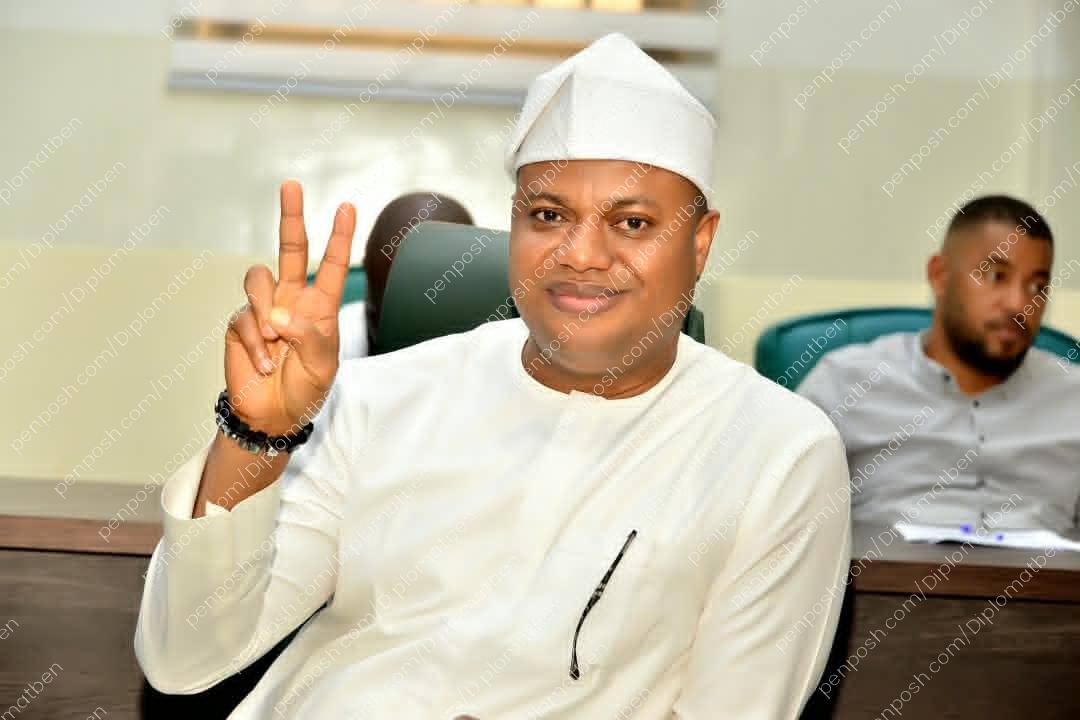
As Hon. Frank Uyi Omosigho, the present lawmaker representing Oredo East in the Edo State House of Assembly, seeks a seat in the House of Representatives, his experience and public record are worth examining.
Traders may prioritise markets and infrastructure. Young people may seek jobs, education and skills development, while families may be concerned about healthcare, security and good roads.
These needs require consistent engagement between representatives and their constituents.
FROM COMMUNITY CONCERNS TO ACTION
Residents should be able to assess representatives by asking practical questions:
- Are community concerns being heard?
- Are constituents regularly informed about projects and interventions?
- Are public commitments producing measurable results?
- Are there clear channels for communication and accountability?
These questions are relevant to every candidate, regardless of political affiliation.
WHY GRASSROOTS ENGAGEMENT MATTERS
At the federal level, representatives participate in lawmaking, oversight and national decision-making. Understanding local needs helps them raise relevant issues and engage the appropriate institutions.
However, not every community challenge falls within the direct powers of a federal lawmaker. Honest communication and cooperation with state and local authorities are therefore essential.
Ultimately, effective representation requires more than campaign appearances. It demands listening, transparency, realistic commitments and accountability.
The distance between a representative and the people should not be measured only in kilometres, but by how effectively their concerns are heard and addressed.
That remains an important question in the conversation about representation in Oredo Federal Constituency.
Published on Penposh — Independent Digital Publishing Platform.
GRASSROOTS REPRESENTATION: HOW CLOSE SHOULD A REPRESENTATIVE BE TO THE PEOPLE?
By Benjamin Emmanuel
Political Affairs Researcher & Writer
Leadership, Accessibility and the Responsibility to Listen
Representation is not just about occupying a seat in the legislature. It is about listening to the people, communicating their concerns and pursuing solutions.
For residents of Oredo Federal Constituency, accessibility and accountability are important measures of effective representation.
As Hon. Frank Uyi Omosigho, the present lawmaker representing Oredo East in the Edo State House of Assembly, seeks a seat in the House of Representatives, his experience and public record are worth examining.
Traders may prioritise markets and infrastructure. Young people may seek jobs, education and skills development, while families may be concerned about healthcare, security and good roads.
These needs require consistent engagement between representatives and their constituents.
FROM COMMUNITY CONCERNS TO ACTION
Residents should be able to assess representatives by asking practical questions:
- Are community concerns being heard?
- Are constituents regularly informed about projects and interventions?
- Are public commitments producing measurable results?
- Are there clear channels for communication and accountability?
These questions are relevant to every candidate, regardless of political affiliation.
WHY GRASSROOTS ENGAGEMENT MATTERS
At the federal level, representatives participate in lawmaking, oversight and national decision-making. Understanding local needs helps them raise relevant issues and engage the appropriate institutions.
However, not every community challenge falls within the direct powers of a federal lawmaker. Honest communication and cooperation with state and local authorities are therefore essential.
Ultimately, effective representation requires more than campaign appearances. It demands listening, transparency, realistic commitments and accountability.
The distance between a representative and the people should not be measured only in kilometres, but by how effectively their concerns are heard and addressed.
That remains an important question in the conversation about representation in Oredo Federal Constituency.
Published on Penposh — Independent Digital Publishing Platform.
THE OREDO CONVERSATION — EPISODE 5
GRASSROOTS REPRESENTATION: HOW CLOSE SHOULD A REPRESENTATIVE BE TO THE PEOPLE?
By Benjamin Emmanuel
Political Affairs Researcher & Writer
Leadership, Accessibility and the Responsibility to Listen
Representation is not just about occupying a seat in the legislature. It is about listening to the people, communicating their concerns and pursuing solutions.
For residents of Oredo Federal Constituency, accessibility and accountability are important measures of effective representation.
As Hon. Frank Uyi Omosigho, the present lawmaker representing Oredo East in the Edo State House of Assembly, seeks a seat in the House of Representatives, his experience and public record are worth examining.
Traders may prioritise markets and infrastructure. Young people may seek jobs, education and skills development, while families may be concerned about healthcare, security and good roads.
These needs require consistent engagement between representatives and their constituents.
FROM COMMUNITY CONCERNS TO ACTION
Residents should be able to assess representatives by asking practical questions:
- Are community concerns being heard?
- Are constituents regularly informed about projects and interventions?
- Are public commitments producing measurable results?
- Are there clear channels for communication and accountability?
These questions are relevant to every candidate, regardless of political affiliation.
WHY GRASSROOTS ENGAGEMENT MATTERS
At the federal level, representatives participate in lawmaking, oversight and national decision-making. Understanding local needs helps them raise relevant issues and engage the appropriate institutions.
However, not every community challenge falls within the direct powers of a federal lawmaker. Honest communication and cooperation with state and local authorities are therefore essential.
Ultimately, effective representation requires more than campaign appearances. It demands listening, transparency, realistic commitments and accountability.
The distance between a representative and the people should not be measured only in kilometres, but by how effectively their concerns are heard and addressed.
That remains an important question in the conversation about representation in Oredo Federal Constituency.
Published on Penposh — Independent Digital Publishing Platform.

 Arabic
 French
 Spanish
 Portuguese
 Deutsch
 Turkish
 Dutch
Dutch
 Italiano
 Russian
 Romaian
 Portuguese (Brazil)
 Greek
Greek