


Bed Bug Treatment in East Hampton, NY: A Complete Guide to Identifying, Treating, and Preventing Bed Bugs
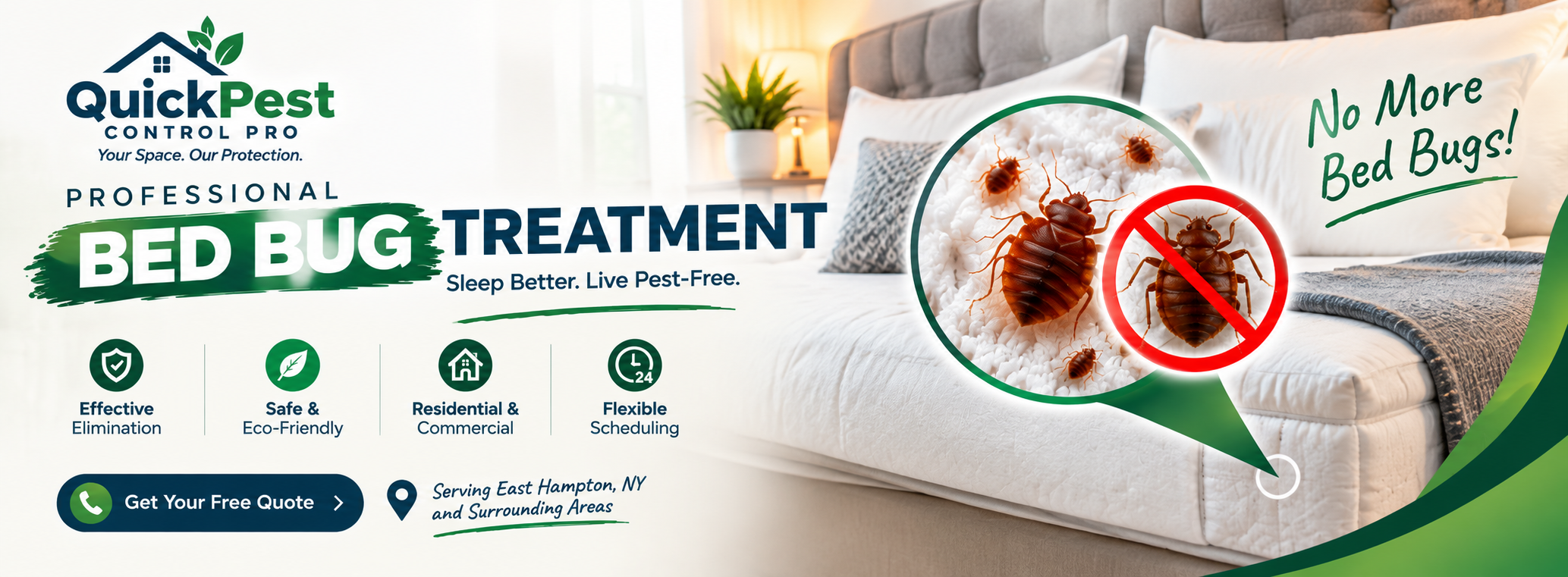
Bed bugs are small pests that can create significant problems for homeowners, renters, landlords, hotels, and businesses. Because they are excellent at hiding in small cracks and protected spaces, a bed bug infestation may continue for some time before it becomes obvious. Once bed bugs become established, attempting to handle the problem without a proper treatment plan can be frustrating and time-consuming.
For property owners dealing with an infestation, professional Bed Bug Treatment in East Hampton, NY can provide a structured approach to identifying the problem, treating affected areas, and reducing the possibility of future activity.
This guide explains what bed bugs are, how infestations develop, common warning signs, treatment approaches, preparation steps, and prevention strategies.
Understanding Bed Bugs
Bed bugs are small, parasitic insects that feed primarily on blood. Adult bed bugs are generally flat and oval-shaped, while recently fed bugs can appear more rounded. Their small size and ability to hide make them difficult to locate.
Bed bugs commonly hide near areas where people sleep or rest. Mattresses, box springs, bed frames, headboards, furniture seams, cracks, and other sheltered locations can provide suitable hiding places.
Unlike some household pests, bed bugs do not necessarily indicate that a property is dirty. They can be introduced into clean homes, apartments, hotels, offices, and other environments through luggage, clothing, furniture, bedding, and personal belongings.
This is one reason early identification is important. A bed bug problem can occur in many types of properties regardless of cleanliness.
Why Bed Bugs Can Be Difficult to Eliminate
One of the biggest challenges associated with bed bugs is their ability to remain hidden. They can fit into very small spaces and may move between hiding areas when disturbed.
A small infestation may initially involve only a limited number of insects. Without effective intervention, however, the population can increase and spread to additional areas.
Bed bugs can also survive for extended periods without feeding under suitable conditions. This means that simply leaving a room unused may not reliably eliminate an infestation.
Another challenge is that bed bugs can hide in locations that are not immediately obvious. Treating only the mattress, for example, may leave insects hiding in the bed frame, nearby furniture, wall cracks, or other protected locations.
A comprehensive approach is therefore important when dealing with an established infestation.
Common Signs of a Bed Bug Infestation
Recognizing the signs of bed bugs early can make it easier to address the problem. Some infestations are discovered after people notice bites, while others are identified through physical evidence.
Common signs can include:
- Small reddish or brown insects around sleeping areas
- Dark spots or stains on bedding
- Small shed skins
- Pale eggs or eggshells
- Tiny blood spots on sheets
- Unusual insects or evidence around mattress seams
- A persistent infestation-related odor in severe cases
- Bites or itchy marks appearing after sleeping
It is important to remember that bites alone cannot confirm a bed bug infestation. Several other insects and skin conditions can cause similar reactions.
For this reason, physical inspection and identification can be useful before selecting a treatment strategy.
Where Bed Bugs Hide
Bed bugs are often associated with mattresses, but they can hide in many other locations.
Potential hiding places include:
- Mattress seams
- Box springs
- Bed frames
- Headboards
- Nightstands
- Dressers
- Sofas and chairs
- Curtains
- Carpet edges
- Baseboards
- Cracks and crevices
- Electrical or structural openings
- Luggage and bags
- Clothing and bedding
In larger infestations, bed bugs may gradually move beyond the immediate sleeping area.
This is why professional Bed Bug Treatment in East Hampton, NY should consider the surrounding environment rather than focusing exclusively on the mattress.
How Bed Bugs Enter a Property
Bed bugs are often transported from one location to another rather than entering through conventional outdoor routes.
Common ways they can spread include:
Travel
Hotels, vacation rentals, airports, trains, and other travel environments can provide opportunities for bed bugs to attach themselves to luggage or personal belongings.
Used Furniture
Secondhand mattresses, bed frames, couches, and other upholstered furniture can potentially introduce bed bugs into a property.
Clothing and Personal Items
Bed bugs can sometimes be transported on clothing, bags, backpacks, and other belongings.
Visitors
People who unknowingly have bed bugs in their homes may accidentally transport them to another location through personal belongings.
Shared Buildings
In apartments and other multi-unit properties, bed bugs may sometimes spread between neighboring units through cracks, wall openings, or other pathways.
Understanding how bed bugs are introduced can help property owners develop better prevention habits.
Why Early Treatment Matters
Early action can help prevent a small infestation from becoming a larger property-wide problem.
When bed bugs are discovered, delaying treatment may allow them to reproduce and spread to additional hiding locations. As the affected area expands, treatment may become more complicated.
Early inspection can help determine:
- Whether bed bugs are actually present
- Where activity is concentrated
- Whether nearby areas may also be affected
- What preparation may be necessary
- Which treatment approach is appropriate
If you suspect bed bug activity, professional assistance can help establish the next steps.
Professional Bed Bug Treatment in East Hampton, NY
Professional pest control services can provide a systematic process for addressing bed bug infestations.
A typical service may begin with an inspection. The technician looks for physical evidence and evaluates areas where bed bugs commonly hide.
Depending on the situation, treatment may involve a combination of pest management techniques. The specific approach can vary according to the severity of the infestation, property type, affected areas, and other circumstances.
The objective is not simply to remove visible insects. Effective treatment should address potential hiding locations and consider the possibility of eggs and additional activity.
Professional Bed Bug Treatment in East Hampton, NY can therefore provide a more structured solution than relying on random household treatments.
The Inspection Process
Inspection is an important part of bed bug management.
During an inspection, attention may be given to:
- Mattress seams
- Box springs
- Bed frames
- Headboards
- Bedroom furniture
- Upholstered furniture
- Baseboards
- Cracks and crevices
- Nearby belongings
- Other areas showing signs of activity
The surrounding environment is also important. Bed bugs may not remain in a single location, especially when an infestation has been present for some time.
A thorough inspection helps identify potential treatment areas and allows a pest control professional to develop an appropriate plan.
Preparing Your Home for Treatment
Following preparation instructions can make pest treatment more effective.
Preparation requirements vary depending on the treatment method, so property owners should follow the instructions provided by their pest control professional.
Common preparation steps may include:
- Removing unnecessary clutter from affected rooms
- Washing and drying bedding according to professional instructions
- Organizing clothing and personal belongings
- Moving items away from walls where instructed
- Vacuuming appropriate areas
- Bagging certain belongings
- Providing access to furniture and suspected hiding areas
Avoid moving potentially infested furniture or belongings to another room unless instructed to do so. Moving items can unintentionally spread bed bugs throughout the property.
Treatment Methods for Bed Bugs
Different treatment strategies may be used depending on the circumstances.
Chemical Treatments
Certain pest control products are designed for professional bed bug management. Application should follow product labeling and applicable safety requirements.
Professionals can determine where treatment is appropriate and how products should be used.
Heat-Based Treatment
Heat can be used as part of some professional bed bug management programs. Controlled heat treatment raises temperatures in affected areas to levels intended to eliminate bed bugs and their life stages.
Heat treatment requires specialized equipment and careful monitoring.
Vacuuming
Vacuuming can help physically remove bed bugs from accessible areas. However, vacuuming alone may not eliminate an established infestation because insects and eggs can remain hidden in inaccessible locations.
Steam
Professional steam treatment may be useful for certain surfaces and locations. Its effectiveness depends on appropriate application, temperature, contact time, and access to the affected area.
Integrated Pest Management
Some pest professionals use an integrated approach that combines inspection, physical methods, monitoring, targeted treatments, sanitation, and prevention.
The appropriate strategy depends on the property and infestation.
Why DIY Bed Bug Treatment May Not Be Enough
Many homeowners search for quick solutions when they discover bed bugs. Some household products and cleaning techniques may provide temporary results, but they may not address an established infestation.
Common mistakes include:
- Treating only the mattress
- Ignoring the bed frame
- Moving furniture between rooms
- Throwing away furniture unnecessarily
- Using excessive amounts of pesticides
- Failing to inspect nearby areas
- Assuming one treatment always solves the problem
- Ignoring preparation instructions
Bed bugs are difficult because the visible insects may represent only part of the infestation.
Professional inspection can help identify the extent of the issue and establish a more organized treatment plan.
Bed Bug Treatment for Apartments
Apartment buildings can present additional challenges because multiple units may be connected through walls and shared structures.
If bed bugs are discovered in an apartment, management and occupants should communicate promptly.
Depending on the situation, professionals may recommend inspecting nearby units or common areas. Preventing movement between apartments can be particularly important.
Residents should avoid moving mattresses, furniture, or personal belongings into hallways or other units without professional guidance.
A coordinated approach can help reduce the possibility of recurring activity.
Bed Bug Treatment for Hotels and Rental Properties
Hotels, vacation rentals, and short-term accommodations need to respond quickly when bed bug activity is suspected.
Guest rooms can have frequent turnover, which increases the importance of inspection and preventive procedures.
Hotel and rental property managers may benefit from:
- Regular inspection procedures
- Staff education
- Prompt reporting systems
- Professional pest inspections
- Appropriate room preparation
- Monitoring after treatment
- Preventive housekeeping practices
When guests report possible bed bug activity, the concern should be documented and investigated rather than dismissed.
Bed Bugs and Travel
Travelers can reduce the risk of bringing bed bugs home by developing simple inspection habits.
When staying in hotels or other accommodations, travelers can inspect sleeping areas before unpacking extensively.
After returning home, luggage can be inspected carefully. Clothing can be handled according to appropriate laundering and drying recommendations.
Keeping luggage away from beds and upholstered furniture during travel can also reduce potential exposure.
These practices cannot guarantee that bed bugs will never be encountered, but they can help reduce opportunities for accidental transportation.
What to Do If You Find Bed Bugs
If you discover a suspected bed bug:
- Avoid panic.
- Do not immediately move furniture to another room.
- Preserve evidence if possible.
- Inspect the surrounding area.
- Contact a qualified pest control professional.
- Follow preparation instructions carefully.
- Avoid unnecessary pesticide applications.
- Monitor the property after treatment.
Taking organized steps can prevent accidental spread and make professional treatment easier.
Preventing Future Bed Bug Problems
Prevention is an important part of long-term pest management.
Consider the following practices:
Inspect Used Furniture
Before bringing used mattresses, couches, bed frames, or upholstered furniture into your home, inspect them carefully.
Be Careful With Travel Luggage
Inspect luggage after traveling and avoid placing bags directly on beds when possible.
Reduce Clutter
Clutter can create additional hiding spaces. Keeping rooms organized can make inspection and monitoring easier.
Inspect Sleeping Areas
Regularly checking mattress seams, bed frames, and nearby furniture can help identify unusual signs early.
Address Problems Quickly
If you notice suspicious evidence, investigate promptly rather than waiting for the situation to become more severe.
How Long Does Bed Bug Treatment Take?
Treatment time depends on several factors, including:
- Size of the property
- Severity of the infestation
- Number of affected rooms
- Treatment method
- Level of clutter
- Accessibility of hiding areas
- Whether neighboring areas are affected
Some treatment programs can be completed within a specific service period, while more complicated infestations may require follow-up visits.
Property owners should ask their pest control provider what to expect before treatment begins.
Can Bed Bugs Return After Treatment?
Bed bug treatment can significantly reduce or eliminate an infestation, but reinfestation is possible.
A property can experience new bed bug activity if insects are introduced again through luggage, furniture, clothing, visitors, or neighboring properties.
Follow-up inspections and monitoring can therefore be valuable, particularly after a significant infestation.
If signs reappear, contact the pest control provider promptly rather than assuming that the original treatment failed.
Choosing a Bed Bug Treatment Provider in East Hampton
When searching for Bed Bug Treatment in East Hampton, NY, property owners may want to consider several practical factors.
Look for a pest control provider that offers:
- Experience with bed bug infestations
- Clear inspection procedures
- Transparent treatment recommendations
- Appropriate pest control methods
- Preparation instructions
- Follow-up guidance
- Good communication
- Service suited to the property type
It is also useful to ask questions before scheduling treatment.
For example:
- What does the inspection include?
- What treatment methods are available?
- How should the property be prepared?
- Are follow-up visits recommended?
- What areas should be monitored afterward?
- What steps can help prevent reinfestation?
Clear answers can help property owners understand the treatment process.
Protecting Your Family and Property
Bed bugs can cause significant stress because they affect the places where people sleep and relax. Addressing an infestation quickly can help restore confidence in the affected space.
Professional pest management focuses on identifying the problem and applying appropriate treatment methods while following product directions and safety requirements.
Property owners should always follow professional instructions regarding preparation, treatment, ventilation, re-entry, laundering, and other safety considerations.
Bed Bug Treatment in East Hampton, NY: Taking the Next Step
Finding bed bugs does not mean that the problem cannot be resolved. The key is to identify the infestation, understand where the insects may be hiding, and use an appropriate treatment strategy.
Professional Bed Bug Treatment in East Hampton, NY can provide property owners with a structured process that includes inspection, targeted treatment, preparation guidance, and prevention recommendations.
Whether you are a homeowner, renter, landlord, hotel operator, or property manager, taking action when you first notice signs of bed bugs can help prevent the issue from becoming more widespread.
If you suspect bed bug activity, avoid unnecessarily moving potentially infested belongings around the property. Instead, arrange an appropriate inspection and follow the recommendations provided by a qualified pest control professional.
With careful inspection, targeted treatment, proper preparation, and ongoing prevention, properties in East Hampton can be better protected against bed bug infestations.

 English
 Arabic
 French
 Spanish
 Deutsch
 Turkish
 Dutch
Dutch
 Italiano
 Russian
 Romaian
 Portuguese (Brazil)
 Greek
Greek