


How Foldable Gift Box Wholesale from Ipack Packaging Cuts Shipping Costs by Up to 40%
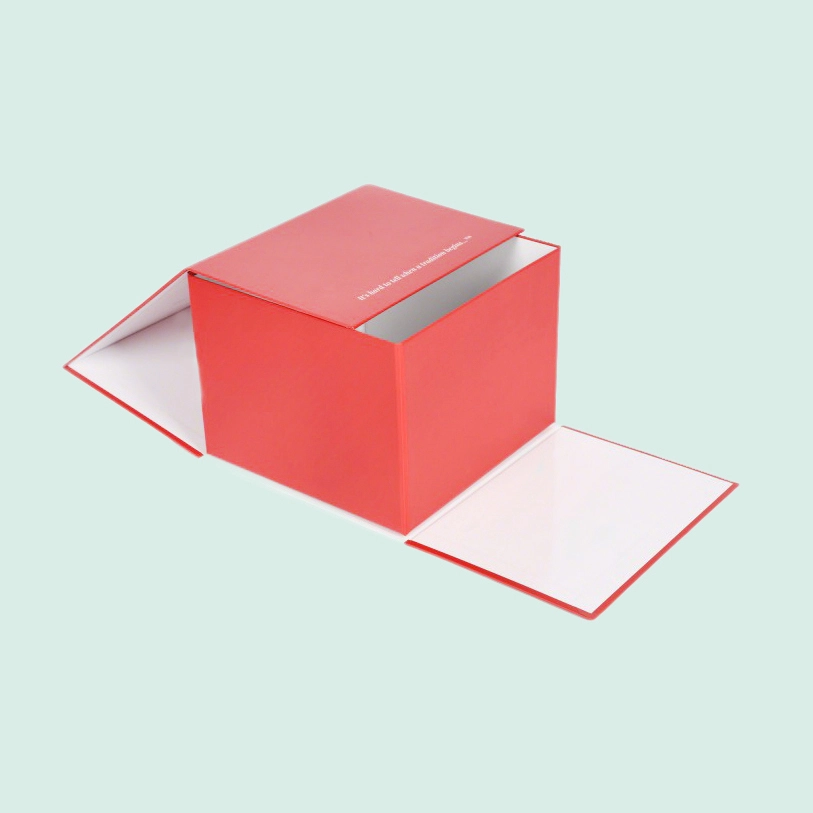
Shipping is one of the most underestimated costs in a product business. Brands focus on unit prices and design, then discover that freight, storage, and handling quietly eat a large part of their margin. Packaging plays a surprisingly big role here, because the amount of space a box occupies directly affects how much it costs to move and store. Flat-pack designs address this problem head-on. By shipping and storing boxes in a collapsed form, brands can dramatically shrink their logistics footprint. While exact savings depend on your situation, many businesses find reductions in the range of up to forty percent compared with pre-assembled rigid boxes. Here is how that works.
The Problem with Bulky Packaging
Pre-assembled rigid boxes are mostly air. A carton that holds a few hundred assembled boxes might hold several thousand when they are flat. Freight is priced by volume and weight, so shipping air is expensive. Large boxes also require more pallets, more container space, and larger warehouses. When orders grow, these costs multiply. Brands often realize too late that their beautiful but bulky packaging is draining profit. Even domestic shipping from a supplier to a fulfillment center becomes pricier. Understanding this hidden inefficiency is the first step toward finding smarter alternatives that preserve a premium look without paying to transport empty space.
How Flat-Pack Design Saves Space
A foldable box collapses into a thin stack of panels that nest tightly together. This allows far more units per carton and far more cartons per pallet or container. Fewer shipments are needed to move the same quantity, which reduces freight spending. At the warehouse, flat stacks occupy a small corner instead of rows of shelving. When you buy through foldable gift box wholesale programs, these efficiencies compound, since larger orders mean more volume savings. The exact reduction varies with box size and structure, but cutting shipping volume by a third or more is realistic for many designs, which can translate into savings approaching forty percent in some cases.
Lower Storage and Handling Costs
Savings do not stop at freight. Storage is another major expense, especially for brands paying per pallet or per square foot at fulfillment centers. Flat boxes use less space, so you can hold more inventory in the same area or rent a smaller facility. Handling is simpler too, since lighter, more compact cartons are easier to move and stack. Fewer pallets mean less labor and fewer opportunities for damage. For seasonal businesses, the ability to store large stocks cheaply before peak periods is a major advantage. These secondary savings often match or exceed the freight savings, strengthening the overall financial case for flat-pack packaging.

Reduced Damage and Environmental Benefits
Compact, well-packed cartons tend to experience less damage in transit because they have less empty space to shift around. Fewer damaged boxes mean fewer replacements and happier customers. There are environmental benefits as well. Shipping fewer containers burns less fuel and produces fewer emissions per box delivered. Smaller storage footprints reduce energy use in warehouses. Many brands appreciate that cost savings and sustainability goals point in the same direction here. For companies working to improve their environmental profile, flat-pack packaging provides a practical, measurable step that also benefits the bottom line, rather than forcing a tradeoff between responsibility and profitability.
How to Calculate Your Own Savings
Because every business is different, it is worth running your own numbers. Compare the carton dimensions and quantities per carton for assembled versus flat boxes. Calculate how many cartons fit on a pallet and in a container. Multiply by your current freight and storage rates. Include handling and potential damage costs. Ask Ipack Packaging for carton specifications and estimated quantities per container, then plug them into a simple spreadsheet. Treat the forty percent figure as a potential benchmark rather than a guarantee, since results depend on box size, quantity, and shipping method. A little arithmetic will show you where your savings are likely to appear and how large they could be.

 English
 Arabic
 French
 Spanish
 Deutsch
 Turkish
 Dutch
 Italiano
 Russian
 Romaian
 Portuguese (Brazil)
 Greek