


Cricaza – How Cricket Fielding Drills Build Match Readiness
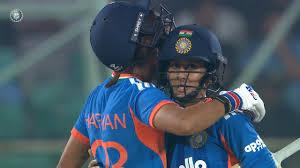
Fielding is an essential part of cricket, with every player expected to contribute when the opposition is batting. Strong fielding requires quick reactions, accurate throwing, safe catching, and good movement across the ground. Regular drills can help players develop these skills and become more prepared for different match situations.
Developing Catching Skills
Catching practice is one of the most common parts of cricket training. Players can work on high catches, low catches, close-range reactions, and catches taken while moving.
Repeating these exercises can help players improve hand positioning and concentration. Different drills can also prepare fielders for situations where the ball travels at varying speeds and heights.
Improving Ground Fielding
Ground fielding requires players to move quickly toward the ball and control it efficiently. Drills can focus on collecting the ball cleanly, getting into position, and returning it accurately to the wicketkeeper or another fielder.
Quick ground-fielding can be particularly useful when teams are trying to restrict runs between the wickets.
Building Throwing Accuracy
Accurate throwing is another important fielding skill. Players can practice throws from different distances and angles while aiming at specific targets.
Good throwing technique can help fielders return the ball quickly and accurately, creating opportunities to prevent runs or challenge batters attempting to complete a run.
Practicing Reaction Speed
Some fielding situations give players very little time to react. Close-in fielders, wicketkeepers, and players positioned near the batter may need to respond immediately to edges, deflections, or powerful shots.
Reaction drills can help players become more alert and comfortable with unexpected movements of the ball.
Preparing for Match Situations
Cricaza gives cricket enthusiasts a convenient way to explore fixtures, teams, players, scores, and tournament developments. Understanding fielding preparation can provide fans with another perspective on the skills required during competitive matches.
Fielding drills can also be designed around realistic situations, such as stopping boundaries, completing run-outs, or defending specific areas of the field.
Communication Between Fielders
Fielders need to communicate clearly when moving toward the same ball or coordinating a run-out attempt. Training sessions can include communication exercises that help teammates understand who should take responsibility in different situations.
Good communication can reduce hesitation and help fielders react more confidently during matches.
Creating Consistent Habits
Fielding improvement depends on regular practice. Repeated drills can help players develop consistent movement patterns and become more comfortable with catching and throwing techniques.
Coaches can also use practice sessions to identify weaknesses and introduce exercises designed to address specific areas of development.
Conclusion
Fielding drills help cricket players develop important skills such as catching, throwing, movement, reaction speed, and communication. Regular practice can prepare players for the variety of situations they may encounter during competitive matches.
For supporters, understanding the preparation behind fielding provides a broader appreciation of the sport. Cricaza offers an accessible space for exploring cricket teams, players, fixtures, and tournament activity throughout the season.

 English
 Arabic
 French
 Spanish
 Portuguese
 Deutsch
 Turkish
 Dutch
Dutch
 Italiano
 Russian
 Romaian
 Portuguese (Brazil)