


Global Mobility Services in the Netherlands: A Guide for International Employers and Employees
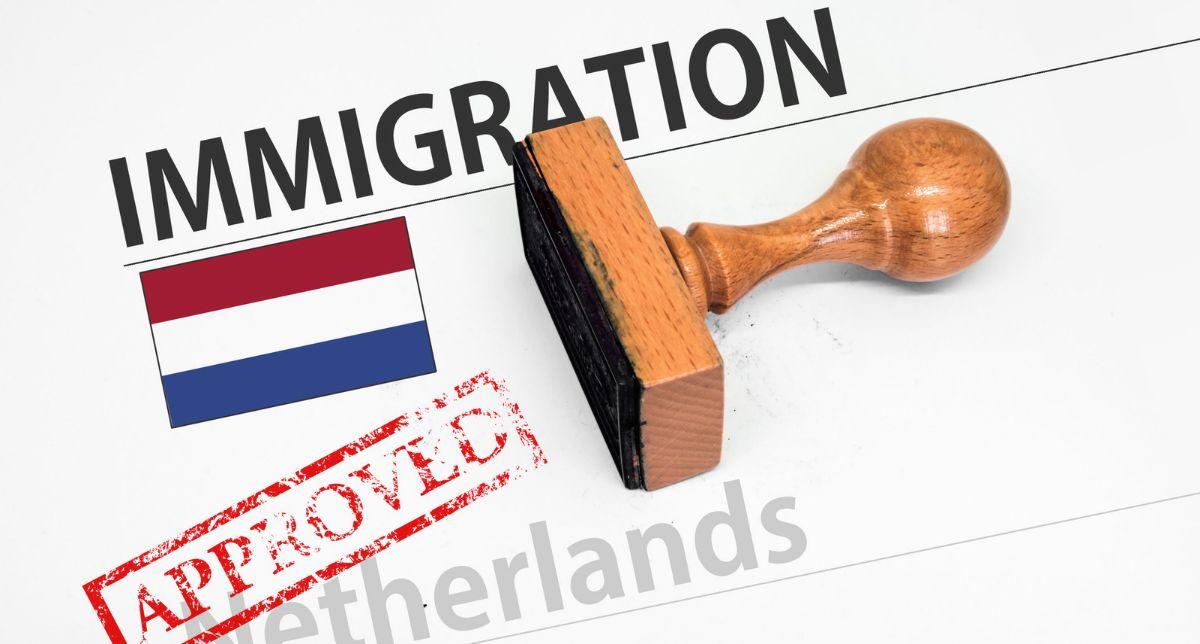
International expansion often involves more than relocating employees from one country to another. Employers must consider immigration requirements, work authorization, residence permits, employee relocation, and compliance with Dutch regulations. For international businesses entering the Netherlands, understanding these requirements early can make the mobility process more structured and manageable.
Understanding Global Mobility Services in the Netherlands
Global mobility services help employers, international employees, and entrepreneurs manage the practical and administrative aspects of moving people across borders. These services can cover immigration procedures, residence and work permits, employee relocation, and support for international businesses establishing operations in the Netherlands.
For companies hiring talent from outside the European Union (EU), European Economic Area (EEA), or Switzerland, immigration requirements depend on the employee's situation and the type of work they will perform. Non-EU nationals generally need to satisfy specific conditions before they can work in the Netherlands.
A structured mobility process can therefore help employers identify the appropriate immigration route and prepare the necessary documentation before an employee relocates.
Highly Skilled Migrant Visa Netherlands
One of the commonly used routes for international employers is the highly skilled migrant visa Netherlands route. The Dutch highly skilled migrant scheme allows qualifying employers to hire specialised professionals from outside the EU, EEA, and Switzerland.
An important requirement is that the employer must generally be recognised as a sponsor by the Dutch Immigration and Naturalisation Service (IND). The employee must also meet the applicable income and employment conditions.
The highly skilled migrant residence permit is normally linked to the employment relationship and can be issued for the duration of the employment contract, up to a maximum of five years.
Employers should also understand their responsibilities as recognised sponsors. These can include providing correct information, maintaining records, meeting salary requirements, and reporting relevant changes to the IND.
Netherlands Work Permit Requirements
The term Netherlands work permit can refer to different types of authorisation depending on the employee and employment situation.
For certain non-EEA workers, an employer may need a TWV (employment permit) or a GVVA, which combines residence and work authorisation. The appropriate permit depends on factors such as the employee's nationality, the duration of employment, and the type of work.
However, highly skilled migrants have a specific immigration route and generally do not require a separate employment permit when working under the highly skilled migrant scheme.
This distinction is important because choosing the wrong immigration route can result in unnecessary delays or incorrect documentation.
Work Permit Netherlands Non-EU Employees
For employers hiring work permit Netherlands non-EU employees, immigration planning should begin before the intended start date. EU, EEA, and Swiss nationals generally have free access to the Dutch labour market, while workers from outside these areas are subject to different requirements.
Depending on the circumstances, employers may need to assess options such as:
-
Highly skilled migrant residence permits
-
GVVA or single permits
-
TWV employment permits
-
Intra-corporate transfer arrangements
-
European Blue Card routes
-
Other residence permits for specific situations
The European Blue Card, for example, provides another route for highly educated employees from outside the EU, EEA, and Switzerland who meet the applicable requirements.
Why Employers Need a Structured Mobility Process
Immigration is only one part of international employee mobility. Businesses may also need to coordinate relocation, employment documentation, residence formalities, and ongoing compliance.
A dedicated approach can help employers keep track of responsibilities and reduce administrative complexity. It can also give international employees a clearer understanding of the steps involved in moving to and working in the Netherlands.
For entrepreneurs and international companies, mobility planning can also form part of a wider Dutch market-entry strategy. FIFEC provides immigration and global mobility support for employers, international employees, and non-EU entrepreneurs establishing themselves or doing business in the Netherlands.
Conclusion
International hiring and relocation require careful attention to Dutch immigration and employment requirements. Whether an organisation is hiring a highly skilled professional, transferring an employee, or supporting an international entrepreneur, the correct immigration route depends on the individual's circumstances and the nature of the work.
Understanding global mobility services, highly skilled migrant requirements, and Netherlands work permit options can help businesses plan international relocation more effectively. Professional guidance can also provide a single point of contact throughout the immigration and mobility process.

 English
 Arabic
 French
 Portuguese
 Deutsch
 Turkish
 Dutch
Dutch
 Italiano
 Russian
 Romaian
 Portuguese (Brazil)
 Greek
Greek