


Root Canal Treatment in Adajan: What Patients Should Know Before Treatment
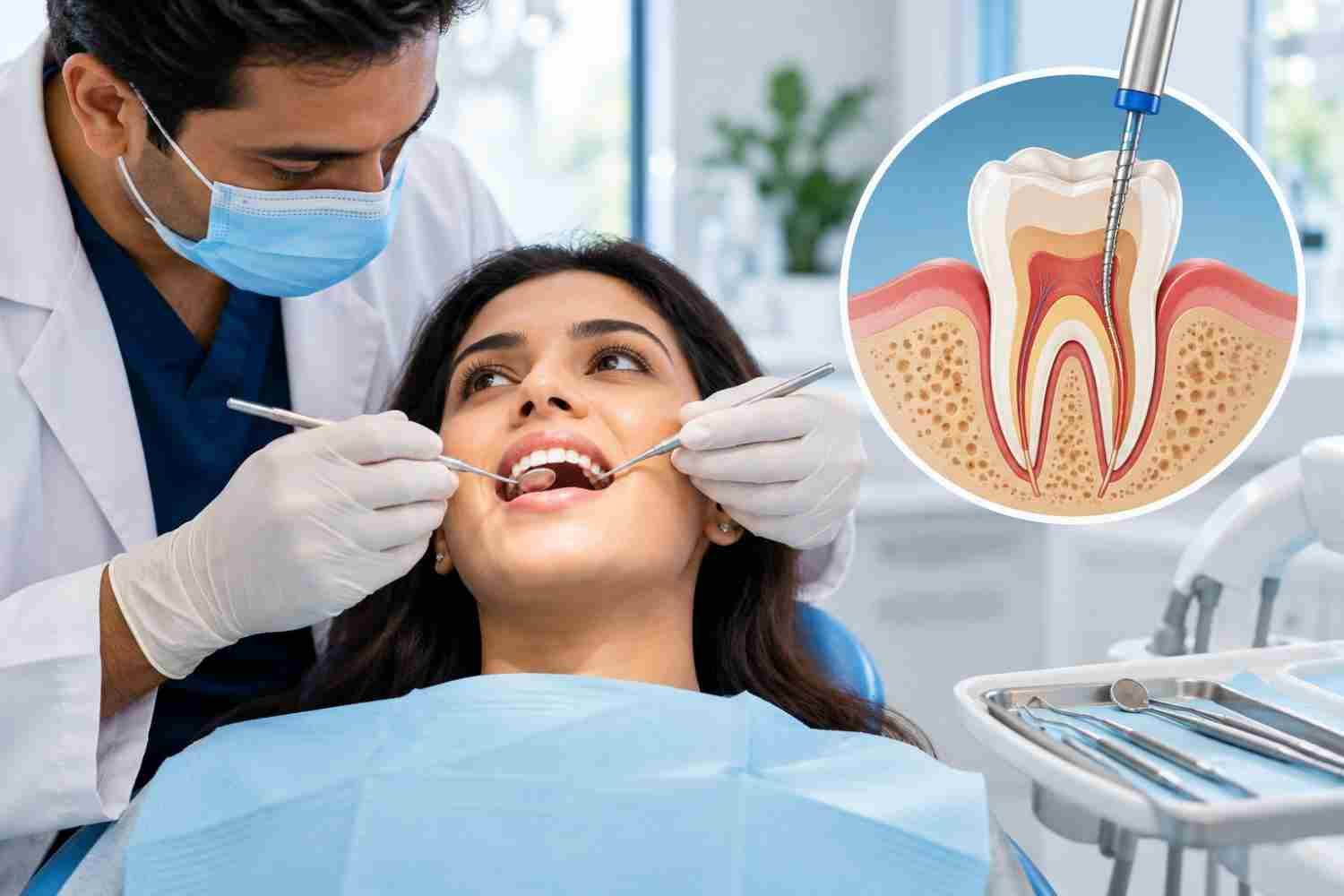
A persistent toothache can make even simple things—eating, drinking, or sleeping—uncomfortable. When pain continues or becomes more noticeable with hot and cold foods, many people start wondering whether they might need root canal treatment. Understanding what the treatment involves can make the decision to visit a dentist much less stressful.
If you are researching root canal treatment in Adajan, it helps to know that a root canal is generally performed to treat problems involving the soft tissue inside a tooth, commonly called the dental pulp.
What Exactly Is a Root Canal?
Every tooth contains a pulp chamber that houses nerves and blood vessels. When deep decay, trauma, cracks, or repeated dental procedures affect this area, the pulp may become inflamed or infected.
Root canal treatment, also called endodontic treatment, involves removing the affected pulp, cleaning the root canals, and sealing the space. The aim is to address the internal problem while retaining the natural tooth.
Keeping the natural tooth can be important for maintaining normal chewing and preserving the surrounding teeth.
Signs That Shouldn't Be Ignored
Tooth problems do not always begin with severe pain. Some people notice relatively mild symptoms before the condition becomes more troublesome.
Possible warning signs include:
-
Pain when biting or chewing
-
Prolonged sensitivity to hot or cold
-
Tenderness around a particular tooth
-
Swelling near the tooth or gum
-
A damaged or cracked tooth
-
Tooth discoloration
-
Repeated discomfort in the same area
These symptoms can have different causes, so they should not be treated as proof that a root canal is necessary. A dental examination is needed to determine what is actually happening.
What Happens During Root Canal Treatment?
For someone considering root canal treatment in Adajan, knowing the basic sequence can help remove some uncertainty.
The dentist first examines the tooth and may use dental X-rays or other diagnostic methods to understand the condition of the tooth and its roots.
Once the tooth is appropriately numbed, an opening is made to access the pulp chamber. The affected tissue is removed, and the root canals are cleaned and shaped. They are then filled and sealed to help prevent contamination.
After the root canal, the tooth may need a restoration such as a crown, particularly when substantial tooth structure has been lost. The exact restoration depends on the individual tooth and its condition.
Is Root Canal Treatment Painful?
The idea of a root canal often causes anxiety because of its reputation. Modern dentistry uses local anesthesia to numb the treatment area, and your dentist can discuss comfort measures with you before treatment begins.
Some tenderness may occur after treatment as the surrounding tissues settle. If discomfort is persistent, severe, or unusual, contacting your dentist is appropriate.
Why Timing Matters
Putting off dental care because the pain temporarily improves does not necessarily mean the underlying problem has resolved. Dental pain can fluctuate, and some dental infections may not produce constant symptoms.
If you are considering root canal treatment in Adajan, arranging an examination can help identify the source of the problem and allow you to understand the available treatment options.
Caring for a Treated Tooth
After treatment, follow your dentist's instructions carefully. Avoid putting unnecessary pressure on a tooth that still needs its final restoration, maintain good brushing and flossing habits, and attend any recommended follow-up appointment.
A treated tooth still requires everyday oral care.
Talk to White Nest Dental About Your Tooth
If tooth pain, sensitivity, or discomfort is making you concerned about root canal treatment in Adajan, White Nest Dental can be a place to start the conversation. Rather than trying to determine the cause from symptoms alone, schedule a dental evaluation and discuss what you have been experiencing. The dental team can examine the affected area, explain the findings, and outline appropriate treatment options based on your individual situation. Taking that first step can help you understand what is happening and make your dental care decisions with clearer information.

 English
 Arabic
 French
 Spanish
 Portuguese
 Turkish
 Dutch
Dutch
 Italiano
 Russian
 Romaian
 Portuguese (Brazil)
 Greek
Greek