


Commercial Kitchen Equipment Manufacturer: How to Plan Equipment Replacement Without Disrupting Daily Kitchen Operations
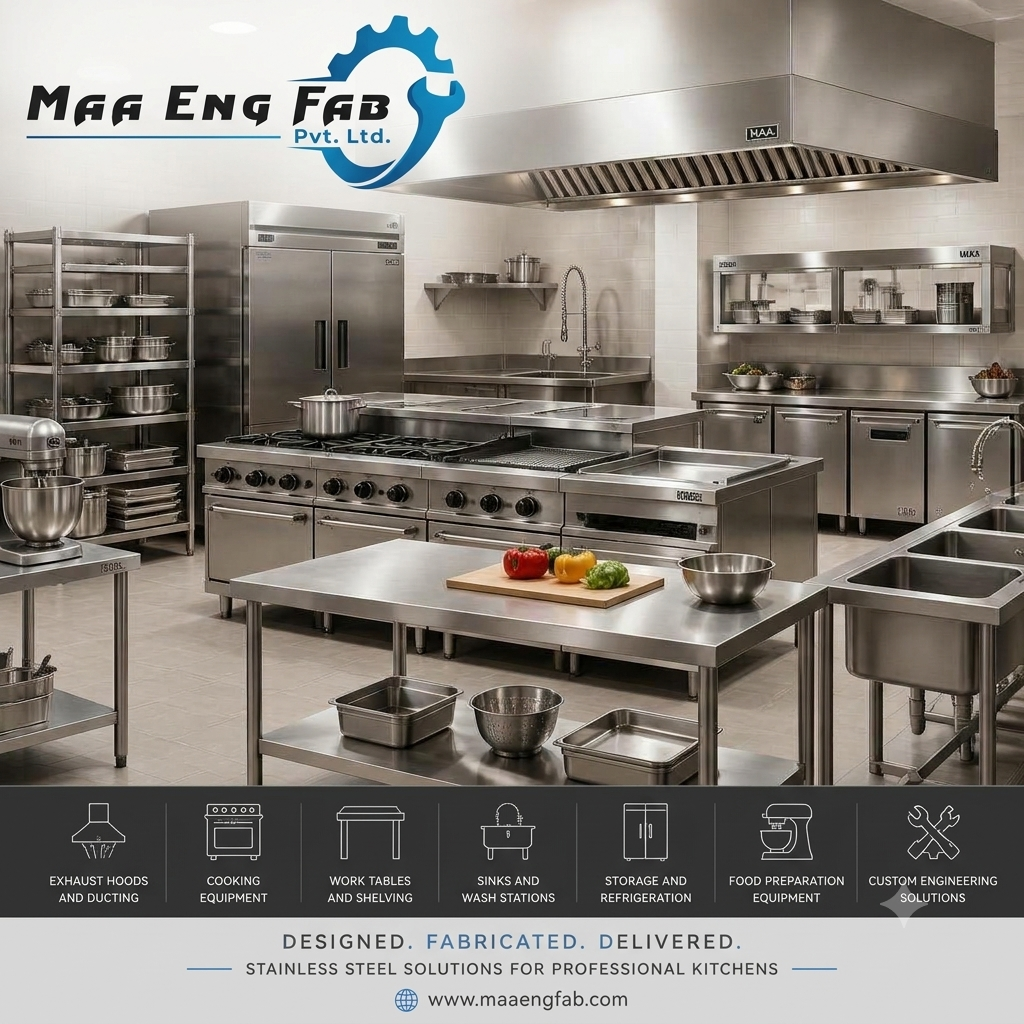
Commercial kitchen equipment is expected to operate reliably through repeated production cycles, cleaning routines and demanding service periods. Over time, however, equipment can become difficult to maintain, parts may become harder to obtain, operating costs can change, or the equipment may no longer match the kitchen's current workload.
Replacing equipment is therefore not simply a purchasing decision. For a hotel, restaurant, catering operation or institutional kitchen, replacement can affect production, utilities, staff movement and customer service.
A well-planned replacement process allows businesses to evaluate the existing equipment, understand the reason for replacement, select suitable new equipment and coordinate installation without unnecessarily interrupting daily operations.
For this reason, working with a capable Commercial Kitchen Equipment Manufacturer involves more than selecting a new product. Buyers should also consider technical compatibility, removal, installation, commissioning, staff training, warranty and long-term maintenance.
When Should Commercial Kitchen Equipment Be Replaced?
There is no single replacement age that applies to every type of commercial kitchen equipment.
Replacement decisions should consider the equipment's:
- Operating condition
- Maintenance history
- Repair frequency
- Performance
- Availability of parts
- Energy or utility requirements
- Safety condition
- Current workload
- Suitability for the kitchen's present operation
Age Alone Is Not Enough
An older piece of equipment may continue to operate effectively when properly maintained, while a newer machine may require replacement if it no longer meets operational requirements.
The better question is:
Does the equipment continue to provide reliable performance at an acceptable overall cost and risk?
Signs That Equipment May Need Replacement
Several warning signs can justify a detailed replacement assessment.
Frequent Breakdowns
Repeated failures can create service interruptions and maintenance expenses.
Increasing Repair Requirements
If repairs become more frequent or difficult to arrange, the equipment's overall ownership cost may need to be reassessed.
Inconsistent Performance
Examples can include:
- Unstable temperature
- Longer operating cycles
- Reduced output
- Repeated operating faults
The actual cause should be investigated before deciding on replacement.
Parts Availability Problems
When important replacement components are difficult to source, extended downtime can become a greater operational concern.
Changed Kitchen Requirements
The existing equipment may have been suitable when the kitchen was smaller but become inadequate after:
- Menu expansion
- Higher order volume
- Longer operating hours
- New production methods
- Additional service channels
Repair vs Replacement: What Should Buyers Evaluate?
Replacing equipment is not automatically the right decision whenever a problem occurs.
A structured comparison can help.
Evaluate Repair Cost
Consider:
- Immediate repair cost
- Replacement components
- Labour
- Expected future repairs
- Downtime during repair
Evaluate Replacement Cost
Include:
- New equipment purchase
- Removal
- Transportation
- Installation
- Utility modifications
- Commissioning
- Training
Compare Long-Term Requirements
A useful decision framework is:
Continue Repairing → Upgrade Existing Equipment → Replace With New Equipment
The correct option depends on the equipment condition, operational requirements and total ownership cost.
How Equipment Downtime Affects Kitchen Operations
A failed piece of critical equipment can affect more than the machine itself.
Potential consequences can include:
- Delayed food preparation
- Reduced production capacity
- Menu limitations
- Additional staff movement
- Increased workload on alternative equipment
- Service delays
Identify Critical Equipment
Not every piece of equipment has the same operational importance.
A kitchen should identify which equipment is:
- Essential for daily production
- Difficult to substitute
- Used during peak service
- Connected to other production stages
This helps determine replacement priority.
Plan Replacement During Lower-Demand Periods
Equipment replacement can be disruptive if installation occurs during the busiest operating period.
Review the Kitchen Schedule
Where operationally possible, replacement work can be coordinated around:
- Lower-demand days
- Non-service periods
- Planned shutdowns
- Seasonal maintenance windows
The timing should be based on the actual operating schedule of the facility.
Prepare Before Removing Existing Equipment
Do not begin removal until the replacement process is sufficiently coordinated.
Confirm:
- New equipment availability
- Installation team
- Utility requirements
- Access route
- Required tools
- Commissioning plan
- Staff availability
Temporary Equipment and Backup Planning
Some kitchens cannot stop production while equipment is being replaced.
Identify Backup Options
Depending on the operation, alternatives may include:
- Existing secondary equipment
- Temporary equipment
- Manual production methods
- Redistribution of workload
- Temporary menu adjustments
Any temporary solution should be evaluated for safety, capacity and operational suitability.
Create a Replacement Contingency Plan
The plan should address what happens if:
- Delivery is delayed
- Installation takes longer
- Utility work is incomplete
- Commissioning identifies a problem
This helps the kitchen team respond without making last-minute decisions.
Utility Changes During Equipment Replacement
New equipment may have different utility requirements from the equipment it replaces.
Electrical Requirements
Check:
- Voltage
- Phase
- Connected load
- Circuit requirements
- Isolation
- Protection
Gas Requirements
Where applicable, verify:
- Gas type
- Pressure
- Connection
- Isolation
- Ventilation
Water and Drainage
Confirm:
- Water inlet
- Flow and pressure requirements
- Drain location
- Connection requirements
Exhaust and Ventilation
New cooking equipment may have different ventilation requirements.
Utility compatibility should therefore be checked before the old equipment is removed.
Measuring Existing Equipment Performance Before Replacement
Historical operating information can improve the replacement decision.
Record Current Performance
Where practical, collect information about:
- Production output
- Operating hours
- Cycle time
- Downtime
- Maintenance frequency
- Utility consumption
- Service history
This creates a baseline for comparing the new equipment.
Understand Why Replacement Is Needed
If the old equipment is being replaced because of low capacity, simply buying newer equipment with similar capacity may not solve the actual problem.
The replacement should address the underlying operational requirement.
Selecting New Equipment Based on Historical Workload
Historical workload can provide useful information about actual kitchen demand.
Review:
- Average production
- Peak production
- Batch sizes
- Service periods
- Operating hours
- Seasonal changes
Avoid Automatic Oversizing
A replacement machine should not automatically be larger simply because it is new.
Oversizing may affect:
- Purchase cost
- Floor space
- Utilities
- Maintenance
Avoid Repeating the Same Limitation
If the previous equipment consistently created a bottleneck, the replacement specification should address that limitation.
Space, Access and Removal Planning
Equipment replacement requires more than checking the final footprint.
Plan the Removal Route
Confirm how the old equipment will leave the kitchen.
Review:
- Door widths
- Corridors
- Lifts
- Stairways
- Loading areas
- Temporary storage
Check the New Equipment Access Route
The new equipment must also be able to reach its final position.
Large equipment may require route planning before delivery.
Installation and Commissioning of Replacement Equipment
Installation should be coordinated before the replacement date.
Pre-Installation Checks
Confirm:
- Equipment dimensions
- Utility points
- Flooring
- Access
- Service clearance
- Ventilation
- Drainage
Commissioning
After installation, verify relevant:
- Functional operation
- Controls
- Safety functions
- Temperature
- Output
- Utility connections
The exact commissioning checks depend on the equipment.
Staff Training After Equipment Upgrades
A replacement machine may have different:
- Controls
- Operating procedures
- Cleaning requirements
- Safety features
- Maintenance routines
Train Operators Before Full Production
Training should cover:
- Start-up
- Normal operation
- Shutdown
- Cleaning
- Basic troubleshooting
- Safety
- Preventive maintenance
Training should follow the manufacturer's instructions.
Warranty and Spare-Parts Planning
The replacement decision should include long-term support.
Review Warranty Conditions
Check:
- Coverage period
- Covered components
- Exclusions
- Service process
- Installation conditions
Confirm Spare-Parts Support
Ask about:
- Common replacement components
- Availability
- Ordering process
- Technical support
- Post-warranty service
This information is particularly important for critical equipment.
Disposal and Replacement Documentation
Removing old equipment can require its own documentation and coordination.
Maintain records covering:
- Equipment identification
- Removal date
- Replacement model
- Installation date
- Warranty
- Commissioning
- Maintenance schedule
This keeps the equipment history clear for future service.
How a Commercial Kitchen Equipment Manufacturer Can Support Replacement Projects
A manufacturer can potentially support several stages of the process.
Technical Assessment
The manufacturer can review:
- Existing equipment requirements
- New equipment specifications
- Utility requirements
- Installation constraints
Installation Support
Technical support can help coordinate:
- Equipment placement
- Utility connections
- Start-up
- Commissioning
After-Sales Support
Long-term support can include:
- Spare parts
- Maintenance guidance
- Technical troubleshooting
- Warranty service
The exact support offered should be confirmed before purchase.
Common Equipment Replacement Mistakes
Replacing Equipment Without Investigating the Root Problem
A replacement may not solve a problem caused by layout, utilities or incorrect operating procedures.
Ignoring Historical Workload
The new equipment should reflect actual kitchen demand rather than assumptions.
Forgetting Utility Changes
New equipment may require different electrical, gas, water or ventilation infrastructure.
Removing Equipment Before the Replacement Is Ready
This can unnecessarily extend kitchen downtime.
Not Planning the Removal Route
Large equipment may not fit through existing access routes.
Skipping Operator Training
New controls and procedures can create operational errors if staff are not trained.
Comparing Only Purchase Prices
Installation, utilities, maintenance, spare parts and downtime can affect the overall ownership cost.
Practical Commercial Kitchen Equipment Replacement Checklist
Existing Equipment Assessment
-
Performance reviewed
-
Breakdown history checked
-
Repair costs reviewed
-
Spare-parts availability checked
-
Current workload assessed
-
Utility consumption considered
Replacement Planning
-
Reason for replacement documented
-
Required capacity defined
-
Peak demand reviewed
-
New equipment specifications confirmed
-
Utility requirements checked
Installation
-
Removal route confirmed
-
Delivery route confirmed
-
Utility points ready
-
Service clearance available
-
Ventilation requirements checked
-
Drainage checked
Downtime Management
-
Replacement date scheduled
-
Backup plan prepared
-
Temporary production arrangement considered
-
Installation team confirmed
-
Commissioning plan prepared
Handover
-
Equipment tested
-
Commissioning completed
-
Operators trained
-
Warranty documentation received
-
Maintenance instructions received
-
Spare-parts information recorded
Frequently Asked Questions
When should commercial kitchen equipment be replaced?
Replacement should be considered when equipment no longer provides reliable performance, becomes difficult to maintain, lacks suitable parts, no longer meets operational requirements or has an unacceptable overall ownership cost.
Is repairing old equipment better than replacing it?
The decision depends on repair cost, equipment condition, downtime, future reliability, parts availability and the performance requirements of the kitchen.
How can equipment replacement reduce kitchen downtime?
Detailed planning before removal can coordinate delivery, access, utilities, installation, commissioning and operator training so that avoidable delays are reduced.
Should new equipment always have higher capacity than old equipment?
Not necessarily. Capacity should be based on current and realistic future workload, including peak demand.
What should I check before replacing commercial kitchen equipment?
Review performance, workload, dimensions, utilities, removal access, installation requirements, maintenance, warranty, spare parts and commissioning.
Can a Commercial Kitchen Equipment Manufacturer help with equipment replacement?
Depending on the supplier, support may include technical specification, installation guidance, commissioning, training, warranty and spare-parts assistance.
Why should utility requirements be checked before replacement?
New equipment may have different electrical, gas, water, drainage or ventilation requirements. Confirming these requirements before installation can prevent avoidable project delays.
Conclusion
Commercial kitchen equipment replacement should be planned as an operational project rather than treated as a simple product purchase.
A successful replacement process starts by understanding why the existing equipment needs to change, reviewing its historical performance, defining the new requirements and preparing the kitchen for removal and installation.
Businesses should also plan for utility changes, access, downtime, commissioning, operator training, warranty and spare-parts support.
When evaluating a Commercial Kitchen Equipment Manufacturer, buyers should consider not only the new equipment but also the technical and service support surrounding the replacement.
The practical process is:
Assess the existing equipment → define the replacement requirement → plan access and utilities → coordinate installation → commission the equipment → train operators → document the new asset.
This structured approach helps organisations make equipment replacement more predictable while keeping daily kitchen operations in focus.

 English
 Arabic
 French
 Spanish
 Portuguese
 Turkish
 Dutch
Dutch
 Italiano
 Russian
 Romaian
 Portuguese (Brazil)
 Greek
Greek