


How Can a Camping Cart Supplier Support Outdoor Retailers
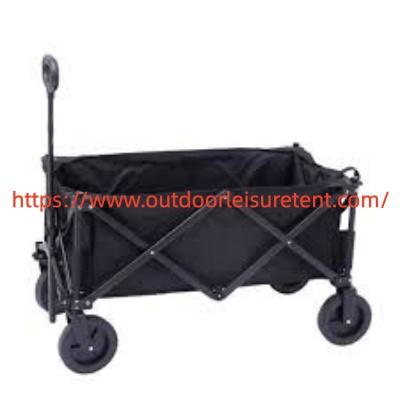
Camping Cart Supplier selection requires more than comparing product images and quoted prices. Buyers serving outdoor retailers, camping stores, distributors, and lifestyle brands can examine construction, wheel design, storage capacity, folding methods, materials, packaging, and production communication before placing an order. A clear understanding of the intended application can make it easier to select a model that matches customer expectations and distribution requirements.
Wheel design deserves careful attention because different outdoor surfaces can create different handling conditions. Grass, gravel, pavement, sand, and compact soil may require different wheel structures. Buyers can review wheel diameter, width, material, rotation, and connection points when assessing a product. A suitable wheel configuration can influence how easily customers move equipment between vehicles, campsites, gardens, beaches, and other leisure areas.
Frame construction is another important consideration. Aluminum, steel, and other materials can provide different balances between weight, rigidity, appearance, and maintenance. Buyers should ask about frame dimensions, joint construction, surface treatment, and connection methods. The goal is not simply to select a particular material but to understand how the complete structure is designed for its intended use.
Storage capacity can also shape purchasing decisions. Some customers may need a compact cart for personal camping equipment, while others may require additional space for chairs, tables, coolers, bags, or family supplies. Buyers can compare open dimensions, internal capacity, folded dimensions, and available compartments. These details can help retailers organize a range that serves different outdoor activities without creating unnecessary product overlap.
Folding design is particularly relevant for customers with limited vehicle or storage space. A cart that folds into a manageable shape may be easier to transport and store between trips. Buyers can check the folding sequence, locking components, handles, frame movement, and packed size. Sample evaluation can help purchasing teams understand how the product feels during actual handling rather than relying solely on catalog specifications.
Fabric and surface materials also deserve attention when the cart includes a fabric compartment or removable cover. Buyers can review fabric type, stitching, attachment points, cleaning requirements, and color options. For outdoor merchandise, appearance and maintenance can influence customer satisfaction, particularly when products are frequently exposed to dust, moisture, or outdoor conditions.
Customization is another area worth discussing with a manufacturer. Depending on the product structure, buyers may request different colors, logos, labels, fabric patterns, handles, wheels, packaging formats, or accessory combinations. Not every modification will suit every market, so buyers can identify the changes that have a clear purpose before requesting samples. This helps keep development focused and makes communication between purchasing teams and production staff more straightforward.
Packaging should be considered before an order is finalized. Outdoor carts can occupy considerable space when folded, making carton dimensions and loading arrangements relevant to transportation and warehouse planning. Buyers can ask about individual packaging, protective materials, carton labeling, package measurements, and loading quantities. These details can help distributors estimate storage requirements and organize shipments according to their sales channels.
Production communication is equally important for B2B cooperation. Buyers can prepare specifications covering dimensions, materials, colors, logos, accessories, packaging, and inspection requirements. Sample approval should also be part of the purchasing process when product details need to be confirmed. Clear documentation can reduce misunderstandings when several configurations are being developed at the same time.
A manufacturer with experience in outdoor leisure products can discuss different cart configurations according to application requirements. For buyers building a camping or outdoor merchandise range, product discussions can include structure, mobility, storage, materials, customization, and packaging. This gives purchasing teams a practical way to connect product development with the needs of their target market.
A thoughtful purchasing process does not need to be complicated. Buyers can begin by defining the intended use, customer group, carrying requirements, storage expectations, and sales channel. They can then compare wheel construction, frame materials, folding methods, capacity, fabric details, customization, and packaging. For buyers reviewing outdoor leisure products and related manufacturing options, https://www.outdoorleisuretent.com/ provides a place to view product information and consider which solutions may fit their own market. By connecting product specifications with real usage scenarios, retailers and distributors can build an outdoor range that is practical to manage and relevant to their customers.

 English
 Arabic
 French
 Spanish
 Portuguese
 Deutsch
 Turkish
 Dutch
Dutch
 Italiano
 Russian
 Portuguese (Brazil)
 Greek
Greek