


Apple iPhone Guide Everything About Features, Technology and Everyday Use
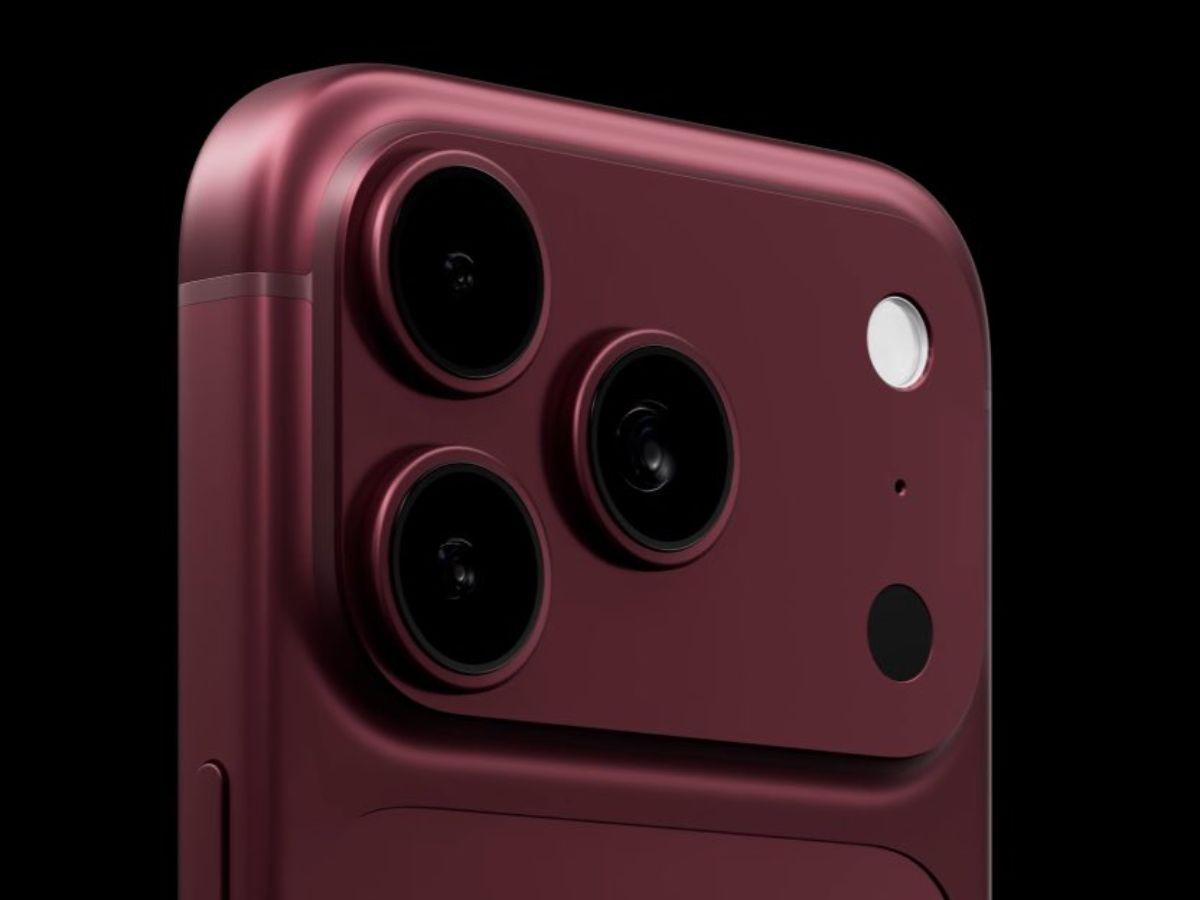
Apple I Phone has changed considerably since the first generation was introduced. What started as a device focused on calls, messaging, music, and web browsing has evolved into a powerful pocket-sized computer. Today's iPhone can handle photography, video production, gaming, banking, navigation, productivity, entertainment, and much more.
With several models available, choosing the right iPhone can require more thought than simply selecting the newest device. Different versions can have different displays, cameras, processors, battery capacities, materials, and storage options. Understanding these differences can help buyers spend their money wisely.
This guide explores the major technologies and everyday features that define the modern Apple iPhone and explains what users should consider before choosing a model.
The Evolution of the Apple iPhone
The iPhone has gone through numerous design and technology changes over the years. Early models established the basic touchscreen smartphone experience, while later generations introduced faster processors, better cameras, biometric security, improved displays, and advanced connectivity.One of the most significant changes has been the growth of mobile photography. The iPhone is now capable of capturing detailed photographs and high-quality video without requiring a dedicated camera for many everyday situations.At the same time, Apple's processors have become powerful enough to support demanding applications that were once limited to desktop computers.
This gradual evolution explains why the iPhone remains relevant across different generations and user groups.
Apple iPhone Design and Comfort
Design is an important part of the smartphone experience because users hold and interact with their phones throughout the day.Modern iPhones use a combination of glass, metal, and carefully engineered internal components. The exact materials and finishes depend on the model.Size is another major factor. A compact phone can be easier to carry and operate with one hand, while a larger model provides more screen space for videos, games, documents, and photo editing.The camera arrangement has also become an important visual element of recent iPhones. Despite changes from generation to generation, Apple generally maintains a recognizable design identity.
Display Technology Explained
A smartphone's display affects almost everything you do on the device. Apple's modern iPhones use high-quality screens designed to provide detailed images, strong contrast, and accurate colors.OLED technology allows individual pixels to produce their own light, resulting in deep blacks and strong contrast. This can make movies, photographs, and games look more immersive.Brightness is also important. A display that can become sufficiently bright makes it easier to use the phone outdoors.Some models offer more advanced refresh-rate technology. A higher refresh rate can make scrolling, animations, and compatible games feel smoother.
When comparing iPhone models, users should consider screen size and display technology together rather than focusing on resolution alone.
Apple iPhone Camera Experience
Photography is one of the most widely used iPhone features. People use their phones to document family moments, travel, food, pets, products, and everyday life.The main camera is designed to provide a reliable point-and-shoot experience. Apple's image-processing technology can automatically adjust elements such as exposure, color, contrast, and detail.This is particularly useful for users who want good results without manually changing complicated camera settings.Different iPhone models can provide different camera systems, so people interested in photography should compare the available lenses and features rather than assuming every model has identical capabilities.
Portraits, Landscapes and Zoom Photography
Different camera lenses are designed for different situations.Portrait photography benefits from cameras and software that can separate the subject from the background. This creates a depth effect that can make people stand out.Ultra-wide photography is useful when you want to capture a broader view. It works well for landscapes, architecture, large groups, and travel scenes.Telephoto cameras are useful for bringing distant subjects closer. They can also provide a different perspective for portraits and street photography.
Understanding these differences makes it easier to select a model based on actual photography habits.
Video Creation on the Apple iPhone
The modern Apple I Phone is also a capable video camera. Users can record family events, travel footage, social media videos, interviews, tutorials, and creative projects.Video quality depends on the specific model, but Apple's combination of camera hardware, stabilization, microphones, and processing helps produce polished results.For content creators, the biggest benefit is convenience. A smartphone is always nearby, so users can capture moments immediately without carrying a dedicated camera.
Editing applications can then be used directly on the device or through Apple's broader ecosystem.
Processing Power and Speed
The processor is effectively the engine of the smartphone. It determines how efficiently the device can handle applications, games, camera processing, and other tasks.Apple develops its own chips for iPhone, allowing the hardware and iOS software to be optimized together.For everyday users, strong performance means fast application launches, responsive menus, smooth browsing, and reliable multitasking.For advanced users, processing power becomes even more important. Video editing, 3D gaming, photography processing, and AI-powered applications can all benefit from a capable processor.
Apple iPhone for Productivity
A smartphone can now serve as a serious productivity tool.Apple I Phone can be used for email, calendars, document management, video meetings, note-taking, online banking, navigation, and collaboration.The App Store provides applications for many professional and educational tasks.When combined with an external keyboard or other accessories, the iPhone can become even more useful for writing and managing information.
Users who already own a Mac or iPad can also benefit from Apple's ecosystem, which allows certain tasks and information to move between compatible devices.
Battery Life and Daily Usage
Battery life is one of the first things many buyers consider, and it can vary substantially between iPhone models.A person's usage pattern has a major influence on battery performance. A user who spends hours gaming or recording video will naturally consume more power than someone who mainly sends messages and makes occasional calls.Streaming video, using GPS, maintaining a bright display, and using mobile data can also increase consumption.Larger iPhone models may provide additional battery capacity, but processor efficiency and software optimization also contribute to real-world endurance.Instead of relying on battery specifications alone, buyers should think about how heavily they use their phones each day.
Charging and Battery Care
Current iPhones use USB-C for wired charging, making it easier to share charging cables with many other modern electronic devices.Wireless charging provides another convenient option, while MagSafe-compatible accessories can simplify charging and support compatible attachments.Good charging habits can also help maintain the device over time. Keeping the phone away from excessive heat and using appropriate charging equipment are sensible practices.
Users can also review battery settings to understand which applications and activities consume the most energy.
iOS and the User Experience
The operating system is one of the defining characteristics of an Apple I Phone. iOS provides the interface, application environment, security features, notifications, and system controls.Apple's software ecosystem is designed around simplicity and consistency. Applications follow common interface conventions, while system features are integrated across the device.Privacy is another significant aspect. Users can control various permissions, including access to location, photos, contacts, microphones, and other information.Apple also regularly releases software updates for supported devices, bringing new capabilities and security improvements.
Security Features
Smartphones contain large amounts of personal information, so security is increasingly important.Supported iPhone models use biometric authentication such as Face ID, allowing users to unlock the device and authenticate certain actions.iOS also includes application permission controls and other security technologies designed to protect personal information.Users should still follow basic security practices, such as using a strong passcode, enabling appropriate account protection, and avoiding suspicious links or applications.
Connectivity and Accessories
Modern iPhones provide connectivity options designed for everyday communication and entertainment.Depending on the model and region, users can access technologies such as 5G, Wi-Fi, Bluetooth, and USB-C.The iPhone also works with a wide range of accessories. AirPods can provide wireless audio, while Apple Watch can complement the phone with notifications, fitness features, and other functions.The broader ecosystem is particularly useful for people who already use several Apple products.
Storage and File Management
Storage requirements have increased as smartphone cameras have improved. High-resolution photographs and videos can consume significant amounts of space.People who mostly use streaming services and basic applications may be comfortable with a lower storage capacity. Heavy photographers, video creators, and gamers should consider choosing more storage.Because iPhones generally do not support traditional memory-card expansion, storage should be selected carefully at the time of purchase.
Cloud storage can help manage files, but it does not completely replace having sufficient local storage.
How to Choose the Right Apple iPhone
There is no single configuration that suits everyone.If you prioritize photography, compare camera lenses, zoom options, and video capabilities.If you are a gamer, focus on processor performance, graphics capabilities, display technology, battery life, and storage.If you use your phone mainly for work, consider battery endurance, screen size, connectivity, productivity applications, and ecosystem compatibility.For general users, a standard model can often provide more than enough capability for communication, social media, streaming, browsing, and photography.
Frequently Asked Questions
Is the Apple I Phone suitable for everyday use?
Yes. Modern iPhones are designed to handle communication, entertainment, photography, browsing, productivity, and many other daily tasks.
Does every Apple iPhone have the same camera?
No. Camera hardware and features vary between models and generations. Higher-end versions generally offer more camera flexibility.
Does the Apple iPhone support USB-C?
Current iPhone generations use USB-C for wired charging and data connectivity.
Is iPhone good for gaming?
Modern iPhones offer powerful processors and graphics capabilities that can support demanding games. Extended gaming can, however, increase heat and battery consumption.
How can I choose the right storage capacity?
Consider how many photos, videos, games, and applications you expect to keep on the device. Heavy users should generally consider higher storage configurations.
Final Thoughts
Apple I Phone has developed into a versatile device that combines communication, photography, entertainment, productivity, and security in one compact product. Its appeal comes not only from individual specifications but also from the way its hardware, iOS software, and wider ecosystem work together.When choosing an iPhone, look beyond the model name. Consider the display you prefer, camera capabilities you actually need, expected battery usage, required storage, and the level of performance your daily activities demand.A thoughtful comparison can help you find the model that fits your lifestyle without paying for features you may rarely use.

 English
 Arabic
 French
 Spanish
 Portuguese
 Turkish
 Dutch
Dutch
 Italiano
 Russian
 Romaian
 Portuguese (Brazil)
 Greek
Greek