


How Can Audio Amplifier ICs Transform Sound Performance in Compact Electronics?
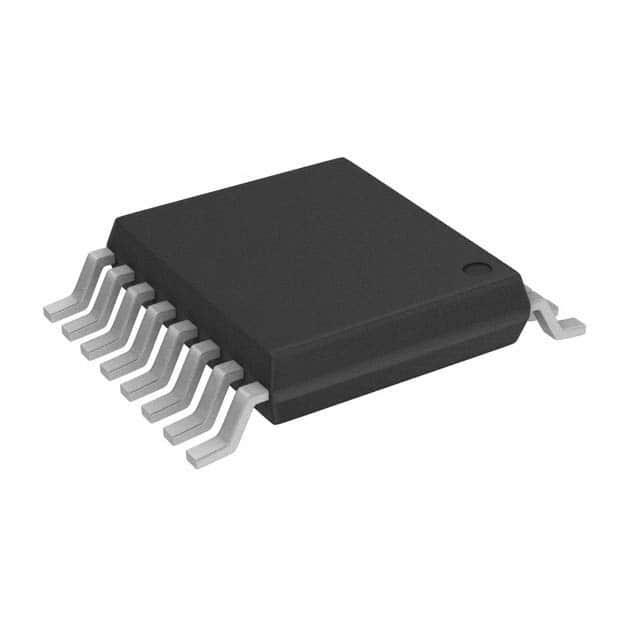
Audio Amplifier ICs are essential components in electronic circuits where sound needs to be amplified, controlled, and delivered clearly through speakers, headphones, buzzers, or audio output modules. These integrated circuits take a weak audio signal and increase its strength so the final device can produce audible, stable, and reliable sound. From portable gadgets and smart devices to automotive systems and industrial control panels, Audio Amplifier ICs help bring sound-based functions to life.
As modern electronics become smaller and more feature-rich, designers need audio solutions that are compact, efficient, and easy to integrate. Traditional amplifier circuits built with many separate components can take more space and require more design effort. Audio Amplifier ICs simplify this process by placing key amplification functions inside one semiconductor package. This makes them highly valuable for engineers, manufacturers, and buyers looking for dependable sound performance in space-limited applications.
What Makes Audio Amplifier ICs Useful in Today’s Devices?
Sound is used in many ways across electronic products. It may provide entertainment, voice output, warning alerts, notification tones, communication support, or user feedback. If the audio output is too low, distorted, or unstable, the device may feel poor in quality even if the rest of the system works well.
Audio Amplifier ICs help improve this experience by giving the circuit enough power to drive the output load properly. They are designed to amplify signals while managing important performance factors such as efficiency, distortion, temperature, and noise.
These ICs are useful because they offer:
-
Stronger audio output from low-level signals
-
Smaller circuit size compared with discrete designs
-
Reduced design complexity for engineers
-
Better power efficiency in portable products
-
Built-in protection for safer operation
-
Stable performance across different sound applications
-
Support for mono, stereo, and multi-channel systems
This combination of performance and convenience makes them suitable for a wide range of modern electronic designs.
How Audio Amplifier ICs Handle Weak Audio Signals
In most devices, the original audio signal is not powerful enough to drive a speaker directly. The signal may come from a processor, audio codec, microphone circuit, wireless module, or sensor output. The Audio Amplifier IC receives this low-power signal, increases its level, and sends it to the speaker or headphone.
The goal is not only to make the signal louder. A good amplifier IC must preserve clarity, reduce unwanted noise, and avoid distortion. It must also work safely within the limits of the power supply, output load, and thermal conditions.
For example, a small smart sensor may only need a simple alert tone, while a wireless speaker needs stronger output with better sound balance. In both cases, the amplifier IC must match the requirements of the application.
Key Types of Audio Amplifier ICs
Audio Amplifier ICs are available in different designs depending on sound quality, power consumption, and application needs.
Class AB Audio Amplifier ICs
Class AB ICs are commonly used where a balance between sound quality and efficiency is required. They are suitable for many general audio applications because they provide smoother output than basic switching solutions while avoiding some of the inefficiency of older linear designs.
They are often used in televisions, audio modules, intercom systems, radios, and small speaker circuits.
Class D Audio Amplifier ICs
Class D ICs are popular in compact and battery-powered electronics because they offer high efficiency. They use a switching method that reduces wasted power and helps limit heat generation. This makes them ideal for devices where battery life and thermal control are important.
Common uses include Bluetooth speakers, portable media devices, automotive systems, smart assistants, and compact consumer electronics.
Headphone Audio Amplifier ICs
Headphone amplifier ICs are designed for low-power audio output with clean sound delivery. They are used in devices that connect to earphones or headphones and require low noise, stable output, and comfortable listening performance.
They are commonly found in mobile devices, laptops, tablets, communication tools, and audio accessories.
Bridge-Tied Load Amplifier ICs
Bridge-tied load amplifier ICs can deliver higher output power without requiring a dual power supply. They are useful in compact speaker systems where designers want stronger sound from a limited voltage source.
This makes them suitable for small speakers, handheld products, and embedded sound systems.
Important Specifications to Check Before Selection
Choosing the right Audio Amplifier IC requires careful review of the product requirements. A device that needs loud speaker output will require different specifications from a headphone-based application.
Important specifications include:
-
Output power rating
-
Supply voltage range
-
Speaker or headphone impedance
-
Total harmonic distortion
-
Signal-to-noise ratio
-
Power efficiency
-
Quiescent current
-
Shutdown current
-
Package size
-
Channel configuration
-
Thermal resistance
-
Protection features
-
Operating temperature range
A high output power rating may look attractive, but it is only useful when the power supply, speaker, PCB layout, and thermal design can support it. That is why engineers must review datasheets carefully before final selection.
Common Applications of Audio Amplifier ICs
Audio Amplifier ICs are used across consumer, commercial, automotive, industrial, and embedded electronics. Their compact size and reliable performance allow them to fit into many product categories.
Common applications include:
-
Smart speakers and wireless audio devices
-
Mobile phones, tablets, and laptops
-
Televisions and monitor audio systems
-
Automotive infotainment units
-
Navigation and dashboard alert systems
-
Security alarms and access control panels
-
Medical devices with sound notifications
-
Industrial machines with warning signals
-
Intercoms and communication equipment
-
Toys, learning devices, and handheld products
-
IoT devices with voice or tone output
-
Development boards and prototype circuits
These applications show how important sound output has become in both simple and advanced electronic products.
Design Practices for Cleaner Audio Output
Audio circuit performance depends not only on the IC but also on the surrounding design. A poor PCB layout or unstable power supply can cause noise, distortion, or weak output even when the chosen IC is technically suitable.
For better audio quality, designers should focus on:
-
Placing decoupling capacitors close to the IC
-
Keeping input signal traces short
-
Separating audio paths from noisy power circuits
-
Using proper grounding methods
-
Matching speaker impedance with IC ratings
-
Providing enough copper area for heat dissipation
-
Following the manufacturer’s layout recommendations
-
Testing the design under real load conditions
These steps help the amplifier perform closer to its rated capability and improve the reliability of the finished product.
Why Audio Amplifier ICs Support Better Product Development
Audio Amplifier ICs help manufacturers create products faster and more efficiently. Because many ICs include protection, control, and optimisation features, engineers can reduce the number of external components. This can lower assembly complexity, improve production consistency, and save PCB space.
For buyers and sourcing teams, choosing reliable Audio Amplifier ICs also supports long-term product quality. Consistent supply, authentic components, correct specifications, and trusted manufacturers are important when audio performance is part of the product’s value.
Future Demand for Audio Amplifier ICs
The demand for sound-enabled electronics continues to grow. More devices now use voice alerts, smart assistants, wireless audio, safety tones, and interactive sound feedback. At the same time, products are expected to consume less power and occupy less space.
Audio Amplifier ICs are well suited to this trend because they combine compact design, efficient operation, and dependable sound output. As wearable devices, IoT systems, automotive electronics, and portable audio products continue to expand, amplifier ICs will remain important in electronic design.
Conclusion
Audio Amplifier ICs play a major role in turning weak signals into clear and useful sound output. They help electronic products deliver better audio performance while reducing circuit size, design effort, and power loss. Whether used in consumer electronics, industrial systems, vehicles, or smart devices, these ICs provide the foundation for reliable sound reproduction.
By understanding amplifier types, key specifications, application needs, and design practices, engineers and buyers can select Audio Amplifier ICs that support efficient, stable, and high-quality sound performance in modern electronics.

 English
 Arabic
 French
 Spanish
 Portuguese
 Deutsch
 Turkish
 Dutch
Dutch
 Italiano
 Russian
 Romaian
 Portuguese (Brazil)