


How to Protect Landscaping During Outdoor Pressure Washing
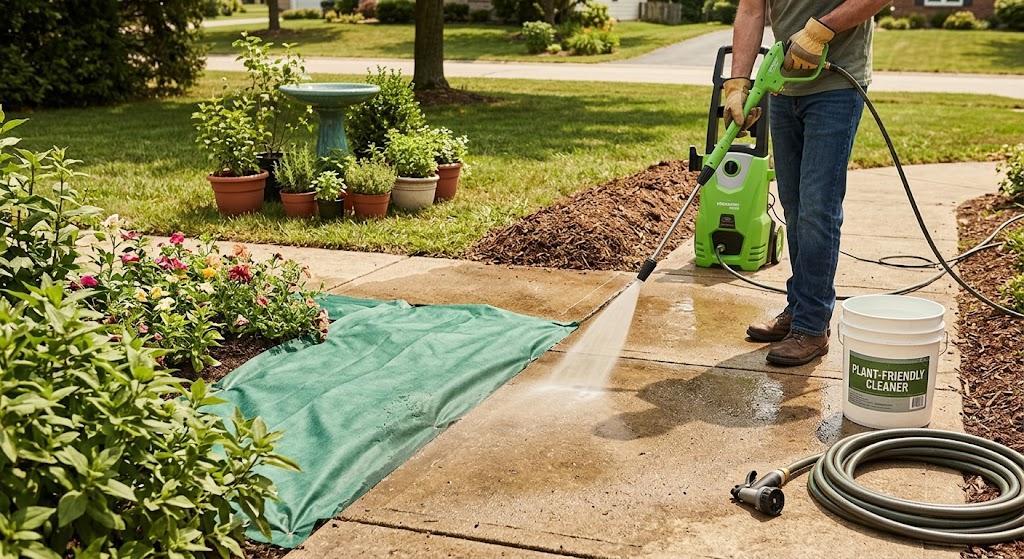
Outdoor pressure washing can make driveways, siding, patios, and walkways look dramatically cleaner, but it can also create problems for nearby plants, mulch beds, shrubs, and delicate ground cover if it is not handled carefully. Water force, detergent overspray, disturbed soil, and runoff can all affect landscaping in ways that are easy to overlook until damage appears. Whether you are cleaning your own property or comparing options like power washing in richboro, understanding how to protect the landscape before water starts spraying is an important part of doing the job right.
The good news is that most landscaping damage from pressure washing is preventable. With the right preparation, basic awareness of water direction, and a few simple protective steps, you can clean hard surfaces without harming the plants and features that frame your yard. This guide explains how to reduce risk, what to cover or move, how to manage runoff, and how to keep your landscape healthy before, during, and after washing.
Key Points
- Pressure washing can damage plants, soil, mulch, and decorative landscaping if water and detergent are not controlled.
- Pre-wetting plants, covering sensitive areas, and directing runoff away from beds are effective protective steps.
- Use lower pressure near landscaping and avoid spraying directly at leaves, stems, or roots.
- Choose plant-safe cleaning products whenever possible and rinse areas thoroughly after washing.
- Inspect the yard after cleaning to catch signs of stress, erosion, or detergent residue early.
Why Landscaping Needs Protection During Pressure Washing
Pressure washing is powerful enough to strip dirt, mildew, and stains from hard surfaces, but that same force can be harsh on living material. Leaves can tear, stems can snap, and soft bark can be stripped away by concentrated spray. Even if the water does not hit plants directly, the runoff can carry cleaners, grime, and loosened debris into flower beds or lawn areas.
Landscaping can also be affected indirectly. Saturated soil may shift around roots, mulch can wash away, and repeated exposure to strong detergents can stress sensitive plants. In some cases, the damage is not immediately visible. A shrub may look fine the same day but show browning leaves or drooping branches a few days later. That is why prevention matters more than repair.
Prepare the Area Before Washing Begins
Inspect the landscape first
Walk around the home and note anything that could be affected by spray or runoff. Look for flower beds, newly planted shrubs, shallow-rooted plants, potted arrangements, decorative grasses, and exposed roots. Pay attention to slopes, since water naturally flows downhill and can carry cleaning solution into places you do not want it to go.
Remove or relocate vulnerable items
Move lightweight planters, garden décor, tools, and outdoor furniture away from the work zone. If a potted plant cannot be moved, place it farther from the spray path and shield it with a temporary barrier. Bird baths, stepping stones, and garden lights should also be cleared if they are in the area being washed.
Trim back overgrowth when needed
If branches or shrubs are leaning over a driveway, walkway, or siding, trim them back slightly before washing. This creates a safer buffer and makes it easier to clean hard surfaces without brushing against foliage. Avoid aggressive pruning right before washing if the plant is already stressed.
Use Water Strategically to Reduce Plant Damage
One of the simplest ways to protect landscaping is to manage water before, during, and after the wash. Start by wetting nearby plants and soil with plain water. Pre-wetting helps dilute any accidental detergent contact and can reduce the amount of cleaning solution absorbed by the ground.
During the wash, keep the spray angle low and controlled. Do not aim the nozzle into flower beds or directly at the base of shrubs. A wide spray pattern is usually safer near landscaping than a narrow, concentrated stream. If you need to clean close to a bed edge, use the minimum pressure needed to remove dirt effectively.
After washing, rinse surrounding plants and hard edges again with clean water. This final rinse helps remove residue from leaves, mulch, edging stones, and nearby soil.
Protect Sensitive Plants and Soil
Cover delicate beds with breathable protection
For especially sensitive areas, use lightweight coverings such as breathable fabric, mesh, or temporary tarps placed with care. Avoid sealing plants under heavy plastic for too long, especially in warm weather, because trapped heat can damage foliage. If you use a cover, remove it promptly after washing and allow the plant to breathe.
Shield soil without compacting it
Soil compaction is a common but overlooked issue. Heavy boards, stones, or equipment placed on beds can compress the ground and affect root health. If you need a temporary barrier, use a light protective material that does not crush the soil beneath it. The goal is to deflect spray, not press the ground flat.
Keep detergent away from root zones
Even biodegradable cleaners should be used carefully around landscaping. Runoff can collect in low areas and linger near root systems. Whenever possible, apply detergent only where needed and avoid flooding the area. If overspray reaches a bed, flush it with plenty of clean water as soon as the work allows.
Choose Cleaning Products With Landscaping in Mind
Not all cleaning solutions affect plants the same way. Some products are more likely to cause leaf burn, discoloration, or root stress if they contact vegetation. Mild, plant-conscious cleaners are generally better than harsh chemicals for areas close to landscaping. Read labels carefully and follow all dilution instructions.
If you are unsure whether a product is safe near plants, test cautiously in a small, hidden area and keep a close eye on runoff direction. Avoid using strong bleach-based mixes near flower beds unless you have a clear plan for containment and rinsing. The safest approach is to use the least aggressive cleaner that still gets the job done.
Manage Runoff to Prevent Landscape Damage
Runoff can carry more than soap. It may include dirt, old sealant fragments, algae, and grit that can settle into mulch or wash over grass. Before beginning, identify where the water will go. If the property slopes toward garden beds, use sandbags, temporary edging, or other simple barriers to redirect flow away from sensitive areas.
Keep drains, downspouts, and low spots in mind. If wash water pools in one place, it can saturate roots and leave behind residue. Work in sections so you can control where water moves instead of letting it spread across the yard.
Adjust Pressure and Technique Near Plants
High pressure is not always necessary. Near landscaping, lower pressure and a broader spray pattern are usually safer. The closer you are to plants, the more important it is to reduce force and maintain control. A steady, sweeping motion helps prevent accidental bursts that could damage leaves or soil.
Avoid washing on windy days if possible. Wind can blow mist, detergent, and debris into nearby beds even if your aim is accurate. Calm weather makes it easier to control the work area and better protect the yard.
Watch for Signs of Stress After Washing
After the job is finished, inspect the landscaping carefully. Look for drooping leaves, torn foliage, exposed roots, washed-out mulch, and signs of soil erosion. If a plant was exposed to cleaner, rinse it again with plain water. If mulch has shifted, rake it back into place to help stabilize the area.
In the days after washing, continue checking for delayed symptoms. Leaf edge burn, yellowing, and sudden wilting may show up later. Early attention can prevent a small issue from becoming a larger one.
Practical Examples of Good Protection Habits
If you are cleaning a driveway bordered by shrubs, start by soaking the shrubs with clean water, then place a light barrier along the edge of the bed. Wash the concrete in the direction that sends runoff away from the planting area. Finish with a thorough rinse of the border stones and nearby leaves.
If you are washing siding above a flower bed, step back far enough to reduce splashback and use a gentler spray setting. Move slowly and avoid lingering over any one spot. When finished, check the bed for drips and rinse the plants if needed.
If potted herbs or annual flowers sit near the patio, relocate them before washing begins. These plants are often more exposed and easier to protect when moved a few feet away from the spray zone.
When to Be Extra Careful
Some conditions make landscaping more vulnerable. Newly planted trees and shrubs are still establishing roots and can be stressed by excess water or chemical exposure. Drought-stressed plants are also more sensitive because they already have limited moisture reserves. In hot weather, wet leaves may scorch more easily if exposed to intense sun after washing. In all of these situations, reduce pressure, limit chemical use, and give plants a generous rinse with clean water.
Conclusion
Protecting landscaping during outdoor pressure washing is mostly a matter of planning, control, and cleanup. By identifying vulnerable plants, directing water carefully, using mild cleaning products, and managing runoff, you can clean exterior surfaces without harming the yard around them. A thoughtful approach preserves both curb appeal and plant health, which is the real goal of any outdoor cleaning project. With a little preparation, pressure washing can refresh a property while keeping the landscape looking its best.
FAQ
Can pressure washing kill plants?
Yes, it can damage or kill plants if the spray is too strong, the cleaner is too harsh, or runoff remains in the root zone. Direct contact, repeated exposure, and poor drainage increase the risk.
Should I water plants before pressure washing?
Yes. Pre-wetting plants and surrounding soil with clean water can help reduce the impact of accidental overspray or detergent contact.
What is the safest way to protect flower beds?
The safest approach is a combination of pre-wetting, temporary breathable covering, careful spray direction, and thorough rinsing afterward.
Is bleach safe to use near landscaping?
Bleach should be used with caution near plants because it can burn leaves and affect soil if it reaches the root area. If it must be used, keep it away from beds and rinse nearby areas thoroughly.
How do I know if runoff has affected my plants?
Look for wilting, browning edges, yellowing leaves, soil displacement, or washed-away mulch. These signs may appear immediately or within a few days.
Can I pressure wash on a windy day?
It is not ideal. Wind can carry mist and cleaner into landscaping, making it harder to control where water lands.
What should I do if detergent gets on a plant?
Rinse the plant with plenty of clean water as soon as possible. If the area is heavily exposed, continue checking it over the next few days for signs of stress.

 English
 Arabic
 Spanish
 Portuguese
 Deutsch
 Turkish
 Dutch
Dutch
 Italiano
 Russian
 Romaian
 Portuguese (Brazil)
 Greek
Greek