


Leif's Coin & Jewelry: A Local Guide to Coins, Jewelry, and Precious Metals
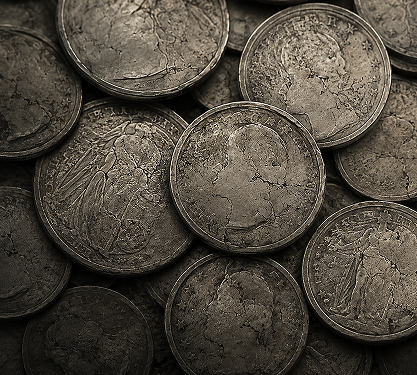
Coins and jewelry can carry value in several different ways. Some pieces are valuable because they contain gold or silver, while others attract attention because of their age, rarity, craftsmanship, or history. For collectors and precious-metal enthusiasts, discovering the story behind an item can be just as interesting as determining its market value. A knowledgeable local coin and jewelry business can make that process easier by providing access to different products and useful information for buyers and sellers.
What to Expect From Leif's Coin & Jewelry
For collectors and precious-metal buyers, leif's coin & jewelry represents a place where different areas of the market come together, from collectible coins and bullion to jewelry and other valuable items. Having access to a business familiar with both coins and jewelry can be particularly useful because these categories often require different approaches to valuation and selection.
Gold coins, silver bullion, vintage jewelry, and collectible pieces may each have their own characteristics. Understanding those differences helps buyers make more informed decisions and gives sellers a clearer idea of what factors may influence the value of their items.
Exploring Gold Coins and Bullion
Gold has remained one of the most recognizable precious metals for generations. Its distinctive appearance and enduring demand have made gold coins and bars popular among both collectors and people interested in physical precious metals.
Gold products can include:
- Government-issued bullion coins
- Historic gold coins
- Gold bars
- Fractional gold coins
- Commemorative pieces
- Gold jewelry
A gold coin's value may depend on more than its weight. Purity, condition, rarity, issue year, and collector demand can all influence its market appeal.
For bullion buyers, weight and purity are often major considerations. Collectors may place greater emphasis on the coin's history, condition, design, and scarcity.
Silver Offers Plenty of Choices
Silver has a particularly broad market, making it appealing to many different types of buyers. From classic U.S. silver coins to modern bullion rounds and larger bars, there are numerous ways to explore silver ownership.
Some popular categories include:
- Silver bullion coins
- Silver rounds
- Silver bars
- Historic U.S. silver coins
- Commemorative silver pieces
- Collectible foreign coins
Silver can also be an approachable starting point for new collectors. Smaller denominations and different product sizes allow people to explore the market at various price levels while learning about weight, purity, premiums, and coin specifications.
Jewelry Has Its Own Story
Coins are not the only items that can hold precious-metal value. Jewelry can combine the intrinsic value of gold or silver with craftsmanship, design, age, and sometimes sentimental significance.
When evaluating jewelry, factors such as karat purity, weight, gemstones, craftsmanship, brand, and condition may all be relevant.
An old gold ring, for example, may be valuable because of its gold content, while another piece could have additional appeal because of its design or collectible characteristics. This is why jewelry should not always be viewed simply as scrap metal.
Common Jewelry Items
A coin and jewelry business may encounter a wide range of pieces, including:
- Gold rings
- Gold necklaces
- Bracelets
- Earrings
- Vintage jewelry
- Silver jewelry
- Gemstone pieces
- Estate jewelry
For sellers, understanding what makes a piece distinctive can help provide useful context during an evaluation.
Buying Coins With a Clear Goal
A common mistake for new collectors is purchasing items without first deciding what they want from their collection. There is no single correct way to collect coins, but having a basic direction can make the experience more enjoyable.
Some collectors focus on historical U.S. coins, while others prefer gold bullion or silver products. Another collector may enjoy assembling coins from different countries or collecting pieces with unusual designs.
Before buying, consider:
- What type of coin interests you?
- Are you collecting or primarily buying bullion?
- Do you prefer gold, silver, or both?
- Are specific years or designs important?
- What size or denomination fits your collection?
Answering these questions can make it easier to identify products that genuinely fit your interests.
Selling Coins and Jewelry
Selling valuable items can be just as important as buying them. People may decide to sell because they have inherited a collection, are reorganizing their belongings, or simply want to part with items they no longer use.
Preparation can make an evaluation more efficient.
Keep coins in their existing holders whenever possible, and bring original packaging, certificates, receipts, or documentation that came with the items. Such information can help establish details about a product.
Avoid aggressively cleaning old coins or polishing potentially collectible jewelry before an evaluation. Altering the original condition can sometimes affect collector or buyer interest.
Understanding How Coins Are Valued
Coin valuation can be more complicated than simply checking the current price of gold or silver. A coin may have a precious-metal component as well as collectible value.
Important considerations can include:
Metal content: The amount of gold or silver in a piece can provide an important baseline.
Purity: Higher or lower purity can affect precious-metal value.
Condition: Well-preserved collectible coins may attract greater interest.
Rarity: Coins with limited availability can have additional collector appeal.
Demand: A coin's market value can change depending on what collectors are currently seeking.
This is why two coins that look similar at first glance may ultimately have different values.
The Appeal of Historic Coins
Historic coins offer something that modern bullion products cannot completely replicate: a direct connection to the past.
Old coins can provide insight into previous monetary systems, artistic styles, political periods, and minting technologies. Collectors often enjoy researching where a coin came from, when it was produced, and how it was used.
For beginners, historical collecting can also become an enjoyable learning experience. Starting with a particular country, time period, or denomination can provide a manageable way to develop knowledge.
Taking Care of a Coin Collection
Proper storage is an important part of collecting. Coins should be protected from unnecessary scratches, moisture, and excessive handling.
Collectors should consider using appropriate holders or capsules and storing their pieces in a secure, controlled environment. Handling coins by their edges rather than touching the surfaces can also help preserve their condition.
Keeping an inventory is another smart habit. Record the coin's year, denomination, type, weight, condition, and purchase information. Photographs can also help document a collection.
Why Local Knowledge Matters
Online information can introduce collectors to thousands of coins and precious-metal products, but local expertise offers another useful perspective. Being able to examine an item in person can help answer questions that photographs or descriptions may not fully address.
A knowledgeable local business can also help explain differences between bullion, collectible coins, jewelry, and other precious-metal products. This can be especially valuable for people who are new to the market or have inherited items they do not recognize.
Making Every Purchase More Meaningful
Collecting coins and jewelry does not have to be complicated. The most rewarding collections often develop naturally from genuine interest rather than from trying to acquire everything at once.
Learning about different metals, coin designs, historical periods, minting techniques, and jewelry styles can turn ordinary purchases into opportunities for discovery. Whether the goal is collecting, gifting, owning bullion, or selling unwanted valuables, understanding the characteristics of each item remains important.
For those interested in exploring coins, gold, silver, bullion, and jewelry products, Leifs Coins can be a useful resource for discovering different options and learning more about precious metals. Taking the time to ask questions, compare products, preserve valuable pieces properly, and understand how different items are evaluated can make the entire collecting experience more enjoyable.
Frequently Asked Questions
1. What types of products can be found at a coin and jewelry business?
Products may include gold coins, silver coins, bullion bars, collectible pieces, gold jewelry, silver jewelry, and estate items.
2. What determines the value of a gold coin?
Gold content, purity, weight, condition, rarity, issue details, and collector demand can all influence its value.
3. Should old coins be cleaned before an evaluation?
No, cleaning can damage the original surface and potentially reduce a collectible coin's appeal.
4. Is silver suitable for new collectors?
Yes, silver offers a wide variety of coins, rounds, and bars at different sizes and price points.
5. How should valuable coins be stored?
Use suitable protective holders, minimize handling, keep coins away from moisture, and maintain an organized collection record.

 English
 Arabic
 French
 Spanish
 Portuguese
 Deutsch
 Turkish
 Dutch
Dutch
 Italiano
 Russian
 Romaian
 Portuguese (Brazil)