


How to Bring an Older Deck Back to a Cleaner, More Usable Condition
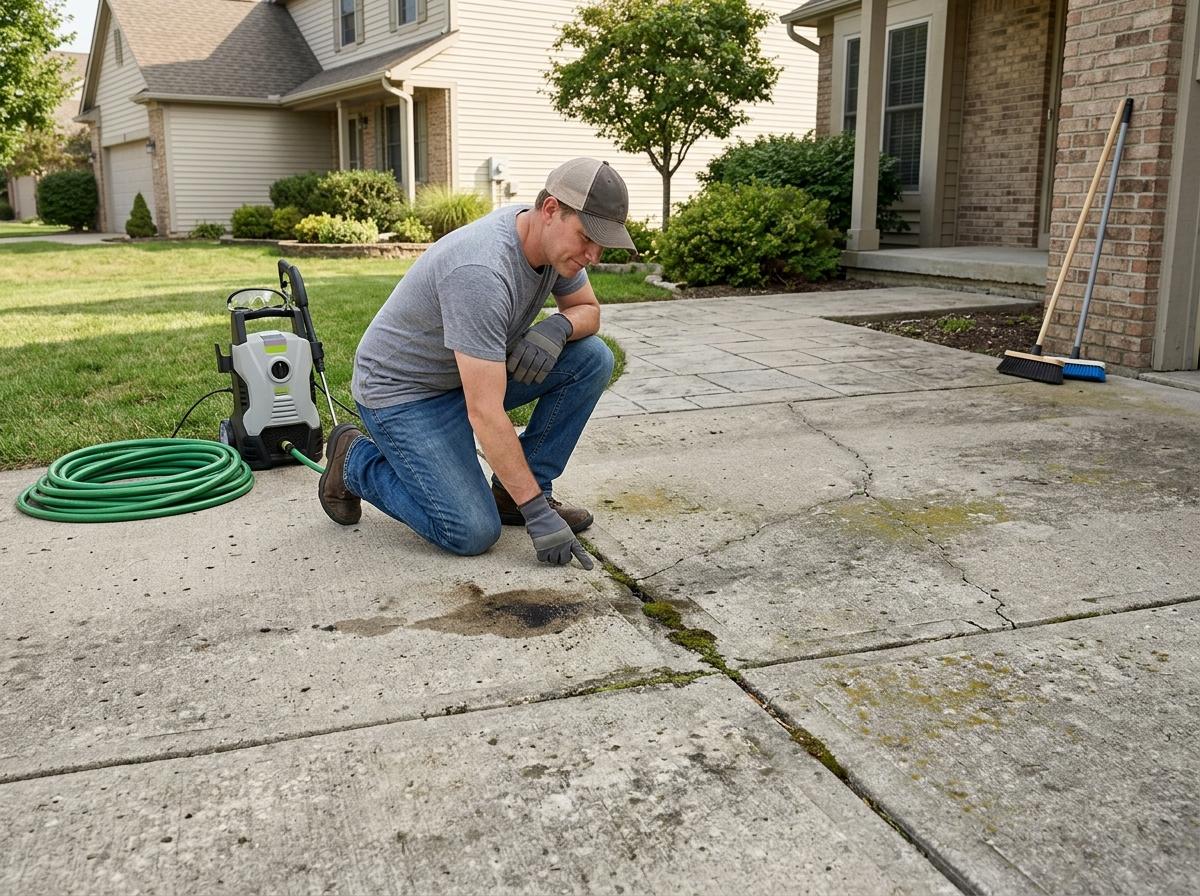
Outdoor decks spend years exposed to rain, sunlight, dirt, leaves, foot traffic, and changing temperatures. Even a well-built deck can eventually develop darkened boards, surface grime, algae, mildew, and debris between the boards. These changes can make the space look neglected and can hide the actual condition of the wood or other decking material.
Cleaning is an important part of deck maintenance, but it should not be approached as simply spraying the surface with maximum pressure. The material, age, finish, fasteners, joints, and surrounding landscaping all matter. A careful cleaning plan can improve the deck's appearance while making the surface easier to inspect afterward.
Inspect the Deck Before Cleaning
Start by walking across the entire deck and looking for damaged boards, loose fasteners, cracked areas, soft spots, and sections that appear weaker than the rest. Pay special attention to steps and railings because these components are important for safe use.
Cleaning should not be used to hide structural problems. A weak or damaged board may need repair or replacement before it is washed. Finding those issues first helps prevent a cleaning process from putting unnecessary stress on areas that are already compromised.
Why Decks Develop Dark Stains
Outdoor decks collect dirt from rain, soil, leaves, and everyday use. Shaded areas may also develop darker or greenish buildup because moisture stays on the surface longer.
Trees can make the problem more noticeable by dropping leaves and limiting direct sunlight. Moisture near landscaping or poor drainage can also contribute to recurring buildup. Understanding why a deck becomes dirty can help homeowners address the environmental conditions as well as the visible grime.
Clear Leaves and Debris First
Loose material should be removed before deeper cleaning begins. Leaves, twigs, dirt, and other debris can collect between boards and around corners where they hold moisture against the surface.
Clearing these areas makes it easier to inspect the deck and helps prevent dirt from simply being moved around during washing. It also gives water a clearer path away from the surface, which can improve drying after the cleaning is complete.
Match the Cleaning Method to the Material
Decking materials can vary considerably. Natural wood, composite materials, and painted or stained surfaces may respond differently to water pressure and cleaning solutions.
Using the same method on every deck can create inconsistent results or damage a finish. Older wood may need more caution because years of weather exposure can weaken the surface fibers. Composite materials may have their own maintenance requirements that should also be considered.
When Outdoor Deck Cleaning Makes Sense
Outdoor deck cleaning can help remove dirt, organic buildup, and surface grime from suitable deck materials. The right approach depends on whether the deck is bare wood, finished, painted, or made from another material.
A controlled cleaning process can also reveal the actual condition of the boards. Once dirt and buildup are removed, homeowners may notice areas that require sanding, refinishing, repair, or replacement. Cleaning therefore becomes part of a larger maintenance check rather than an isolated cosmetic task.
Be Careful With Wood Fibers
Wood can be damaged when excessive pressure is concentrated on the surface. A nozzle held too close may leave marks, raise the grain, or create uneven areas that become more obvious after drying.
The objective should be to remove contamination while preserving the usable surface. Pressure, spray distance, and technique should all be adjusted to the age and condition of the wood. A careful process may take longer, but it can produce a more consistent result.
Pay Attention to Railings and Steps
Railings and steps receive frequent contact and often show wear before other parts of the deck. They also deserve special attention because people rely on them while moving around the space.
Inspect these components before and after cleaning. Look for loose connections, splintered surfaces, cracked boards, and worn finishes. A cleaner deck should also make it easier to notice problems that could affect safe use.
Watch for Water Trapping Between Boards
Deck boards need enough space and drainage to allow water to move away. Leaves and dirt can fill the gaps between boards, reducing airflow and slowing drying.
Keeping those spaces reasonably clear can help the deck dry more efficiently after rain or cleaning. Areas that remain damp for long periods may develop more organic buildup and may also experience faster material deterioration over time.
Protect Nearby Plants and Property
Deck cleaning can send water, dirt, and cleaning solutions toward nearby landscaping, siding, windows, and outdoor furniture.
Move furniture away from the active work area and protect sensitive plants where practical. Check where runoff will move before beginning. Good preparation helps prevent the cleaning process from creating additional cleanup around the deck.
Do Not Apply New Finish Too Quickly
If the deck is going to be stained, sealed, or otherwise finished after cleaning, the surface needs appropriate time to dry and prepare for the next step.
Applying a finish to a damp or poorly prepared surface can affect adhesion and appearance. The appropriate drying period depends on the material, weather, humidity, and product requirements. Cleaning should therefore be treated as the beginning of the maintenance process rather than the final step when refinishing is planned.
Know When Cleaning Is Not Enough
A deck that looks dirty may also have deeper problems. Soft boards, extensive cracking, severe splitting, loose structural components, or widespread decay may require repair or replacement.
Cleaning can make these conditions easier to identify, but it cannot restore damaged structural material. Homeowners should separate appearance problems from conditions that affect the deck's strength and safety.
Maintain the Deck Between Deep Cleanings
Regular sweeping can remove leaves and dirt before they settle into gaps. Keeping vegetation trimmed away from the structure can also improve airflow and reduce moisture.
Check the deck periodically for areas that stay damp, boards that change color, or hardware that begins to loosen. Early maintenance is generally easier than waiting until heavy buildup and material deterioration appear across the entire surface.
Consider the Best Time for Deck Cleaning
Weather can affect both cleaning and drying. Very wet conditions can slow the process, while intense sunlight can cause cleaning solutions to dry too quickly on some surfaces.
Plan the work around conditions that allow sufficient cleaning and drying time. If the deck is going to receive a new finish afterward, weather becomes even more important because the surface needs appropriate conditions for that next stage.
Final Thoughts
Deck cleaning is most effective when it combines surface care with a careful inspection of the structure underneath. Removing dirt can improve appearance, but it also gives homeowners a better opportunity to spot damaged boards, loose fasteners, drainage problems, and other maintenance needs.
The process connects with wood preservation, which focuses on protecting wood from deterioration caused by moisture, insects, fungi, and environmental exposure. Regular cleaning and timely maintenance can help outdoor wood remain useful and easier to care for.

 English
 Arabic
 French
 Portuguese
 Deutsch
 Turkish
 Dutch
Dutch
 Italiano
 Russian
 Romaian
 Portuguese (Brazil)
 Greek
Greek