


Expert Wastewater Treatment Plant Engineering Solutions for Long Island Communities and Businesses
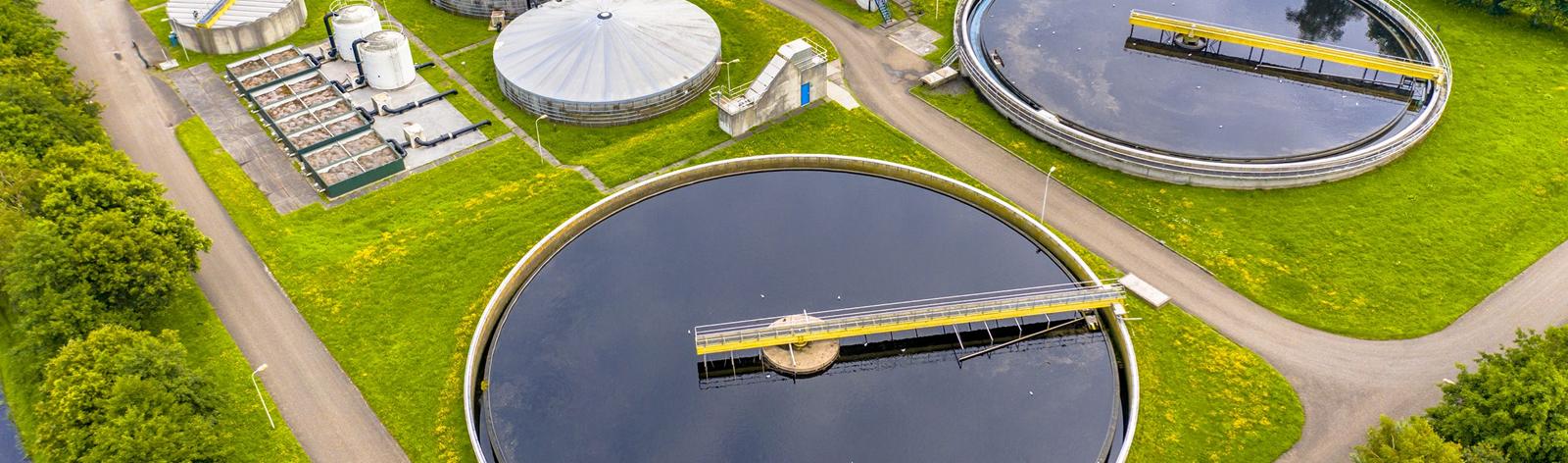
The Growing Demand for Reliable Wastewater Infrastructure
Clean water and effective sanitation systems are the backbone of any thriving community, yet the infrastructure that makes this possible often goes unnoticed until something goes wrong. Behind every functioning sewage system lies careful planning, design, and ongoing maintenance handled by specialists who understand both the technical and regulatory demands of the field. This is precisely the role played by firms specializing in wastewater treatment plant engineering Long Island NY municipalities, businesses, and developers rely on to keep systems running smoothly. As population density increases and older infrastructure ages, the need for updated, efficient treatment facilities has never been more pressing. Long Island's unique geography, with its high water table and proximity to sensitive coastal ecosystems, adds another layer of complexity to wastewater management. Engineers working in this space must balance regulatory compliance, environmental protection, and cost-effectiveness, all while designing systems built to last for decades. Whether the project involves upgrading an existing municipal plant or designing a new facility for a private development, the stakes are high, and the margin for error is small. Choosing a firm with deep, specialized experience in this niche is not optional; it's essential for long-term success.
Core Services Involved in Treatment Plant Design
Wastewater engineering is a highly technical discipline that draws on multiple areas of expertise. A capable firm typically provides a range of services tailored to each phase of a project. These often include:
- Feasibility studies and site assessments to determine the best location and design approach for a new or upgraded facility
- Process design for treatment systems, including aeration, filtration, and disinfection components
- Hydraulic modeling to ensure systems can handle peak flow without failure or overflow
- Permitting assistance and coordination with state and local environmental agencies
- Construction oversight and inspection to confirm the finished facility matches approved plans
Each of these steps requires a blend of engineering precision and regulatory knowledge. Skipping or rushing any phase can lead to costly redesigns, permit denials, or system failures after construction is complete. Firms that manage the entire process in-house, rather than outsourcing pieces to multiple subcontractors, tend to deliver more cohesive results with fewer communication breakdowns along the way.
Regional Considerations for Wastewater Treatment Plant Engineering New York Wide
While local expertise matters, many projects benefit from engineers with broader wastewater treatment plant engineering New York experience, especially when a project must navigate state-level environmental review or coordinate with agencies beyond the immediate town or county. New York State enforces strict standards around discharge limits, nutrient management, and protection of groundwater and surface water resources. Firms with statewide project history are often more familiar with the nuances of the State Pollutant Discharge Elimination System process and other regulatory frameworks that govern treatment facility approvals. This experience can significantly reduce delays, since engineers who have already worked through similar approval processes elsewhere tend to anticipate agency concerns before they arise. For municipalities or private developers managing larger or more complex projects, working with a firm that has this wider frame of reference often results in smoother permitting and fewer unexpected setbacks during construction.
Key Factors That Influence a Successful Project
Several variables determine how smoothly a wastewater treatment plant project moves from concept to completion. Some of the most important factors include:
- Accurate flow projections based on current and future population or business growth
- Soil and groundwater conditions, which affect system type and placement
- Proximity to sensitive water bodies, wetlands, or flood zones
- Budget constraints and long-term operational and maintenance costs
- Coordination with local utility providers and neighboring infrastructure
Overlooking any of these factors early in the planning process can lead to significant complications later. For example, underestimating future flow needs might result in a system that quickly becomes inadequate, requiring costly expansions sooner than expected. Similarly, failing to account for seasonal groundwater fluctuations can compromise system performance in ways that are expensive to correct after construction. Experienced engineers work through these variables methodically, often using modeling software and historical data to make informed recommendations that hold up over the long term.
Why Environmental Compliance Should Never Be an Afterthought
Environmental regulations exist to protect public health and natural resources, and cutting corners in this area can carry serious consequences, both legally and reputationally. A well-designed wastewater treatment plant should not only meet minimum regulatory requirements but ideally exceed them where feasible, building in safeguards against equipment failure or unexpected surges in flow. Engineers who specialize in this field understand how to design systems with redundancy, ensuring that a single point of failure doesn't result in untreated discharge or system-wide shutdowns. They also stay current with evolving regulations, since standards around nutrient removal and emerging contaminants continue to shift as scientific understanding advances. Partnering with a firm that treats compliance as a baseline rather than a checkbox often results in facilities that operate more reliably and require less costly retrofitting down the road. This forward-thinking approach protects not just the immediate project but the broader watershed and community that depends on it.
Choosing the Right Engineering Partner for Long-Term Reliability
Selecting a firm to handle wastewater treatment plant engineering is a decision that will affect a community or business for decades, so it deserves careful consideration. Beyond technical qualifications, look for a team that communicates transparently, explains complex processes in understandable terms, and demonstrates genuine investment in the success of your project. Ask about past projects of similar scope, request references, and inquire about how the firm handles unexpected challenges during construction. A strong engineering partner doesn't just design a system and walk away; they remain available for ongoing support, troubleshooting, and future upgrades as needs evolve. Given the complexity and long-term impact of wastewater infrastructure, taking the time to find a firm with proven expertise, regional knowledge, and a collaborative approach will pay dividends for years to come, ensuring reliable service and environmental protection well into the future.

 English
 Arabic
 French
 Spanish
 Portuguese
 Deutsch
 Turkish
 Dutch
Dutch
 Italiano
 Russian
 Romaian
 Greek
Greek