


Paving That Delivers Smooth Surfaces and Lasting Value
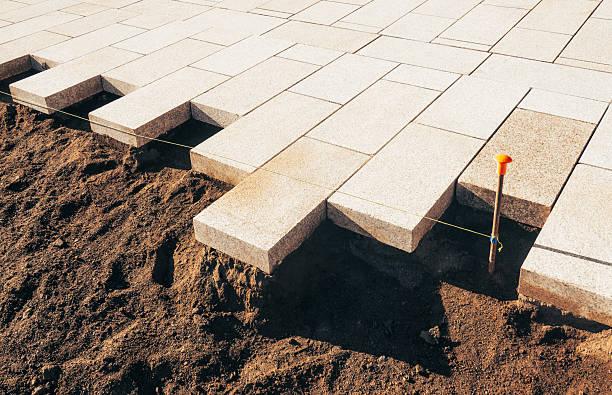
Driveways and parking lots work hard every day. Vehicles roll across them while weather attacks from above. Poor installation shows cracks within the first year. Quality work lasts for decades with minimal attention. J. Stanley Landscaping & Paving delivers dependable paving services near Northampton, PA homeowners and businesses trust. They serve clients who want surfaces that look great and perform even better. This article explains paving materials, the installation process, and why professional craftsmanship matters so much.
Why Professional Paving Matters
Paving looks simple from the outside. Dig a hole, dump asphalt, and roll it flat. Reality involves far more precision than most people realize. Base preparation and drainage decide how long pavement lasts.
The Foundation Beneath the Surface
Every lasting pavement rests on a proper base. Crushed stone gets layered and compacted carefully. This base carries the weight of everything above. Weak bases cause settling, cracking, and potholes. Owners never see this work, but they feel its absence quickly.
Drainage Determines Longevity
Water destroys pavement faster than traffic does. Proper grading moves moisture away from surfaces. Poor drainage creates puddles that seep into cracks. Freezing temperatures then expand that water and tear pavement apart. Correct slopes prevent this cycle entirely.
Paving Materials Compared
Different surfaces suit different properties and budgets. Each option brings distinct strengths to the table.
Asphalt Paving
Asphalt remains the most popular driveway choice. It costs less than concrete or pavers. Installation happens quickly with minimal disruption. Properly maintained asphalt lasts twenty years or more. Its smooth, dark finish looks clean and modern.
Concrete Paving
Concrete delivers strength and longevity. It handles heavy loads without rutting. Decorative finishes mimic stone or tile. Maintenance needs stay minimal over decades. Homeowners appreciate its clean, bright appearance.
Paver Installation
Interlocking pavers combine beauty with flexibility. Individual stones can be replaced if damaged. Hundreds of colors and patterns exist. They resist cracking better than solid surfaces. Premium properties often feature paver driveways.
Gravel and Crushed Stone
Gravel offers affordability and drainage. It suits rural properties and long driveways. Regular grading keeps surfaces smooth. These options cost far less than paved surfaces. Budget conscious owners choose them often.
The Paving Process Step by Step
Professional installation follows clear phases. Each stage determines how well the pavement performs.
Assessment and Planning
Contractors examine the site and note drainage patterns. They measure dimensions and check soil conditions. Plans address slopes and water flow. Quotes detail every material and cost. This planning prevents problems later.
Excavation and Grading
Crews remove old surface material first. They dig to proper depth for the base layers. Grading establishes correct slope for drainage. Compaction prepares the subgrade. This foundation supports everything above.
Base Installation
Crushed stone forms the load bearing base. Each layer gets compacted before the next. Proper base depth prevents settling and cracking. Geotextile fabric may separate soil from stone. This step separates lasting pavement from failing pavement.
Paving and Compaction
Hot asphalt or concrete gets applied evenly. Rollers compact the surface to proper density. Pavers get laid in precise patterns with sand joints. Edges get secured with restraint systems. Final grading ensures proper drainage.
Finishing and Curing
Asphalt cools and hardens within hours. Concrete cures over several days. Sealcoating follows after asphalt cures fully. Inspections confirm quality standards. Cleanup leaves the property spotless.
Signs Your Pavement Needs Replacement
Repairs work for minor issues. Major damage demands full replacement.
Extensive Cracking and Potholes
Hairline cracks are normal with age. Widespread cracking signals structural failure. Potholes indicate base problems beneath. Patching becomes temporary at this stage. Replacement delivers lasting results.
Sinking and Uneven Surfaces
Pavement that sinks or heaves creates hazards. Water pools in low spots and worsens damage. Base failure causes these problems. Resurfacing alone will not fix them. Full replacement addresses the root cause.
Drainage Problems
Water should flow away from pavement quickly. Standing water erodes edges and weakens surfaces. Poor grading causes these issues. Correcting drainage requires professional assessment. Sometimes full replacement is the only solution.
Budgeting for Paving Projects
Costs depend on size, materials, and site conditions. Careful planning keeps spending under control.
Factors That Affect Price
Square footage drives the base cost. Material choice creates wide price ranges. Excavation and base work add significant expenses. Drainage solutions and permits factor in too. Contractors provide detailed estimates after assessment.
Long Term Value Considerations
Cheap installations cost more over time. Proper base work prevents premature failure. Quality materials last years longer. Professional installation protects the investment. The best value comes from doing it right once.
Choosing the Right Paving Contractor
Not every contractor delivers the same quality. Careful research protects your property and wallet.
Verify Licensing and Insurance
Licensed contractors hold proper credentials. They carry liability and workers compensation insurance. Ask for proof before signing contracts. Verify status through state databases. Uninsured workers leave you exposed to liability.
Review Past Projects
Ask for photos of completed paving jobs. Visit finished driveways and lots when possible. Look for smooth surfaces and clean edges. Talk with past clients about their experience. Consistent praise signals reliable service.
Compare Detailed Estimates
Itemized quotes reveal exactly what you pay for. Vague estimates hide future surprises. Compare line by line rather than by total. The cheapest option often costs more later.
Maintaining New Pavement
Proper care extends the life of any paving project. Simple habits protect your investment.
Regular Cleaning and Inspection
Sweep debris from pavement regularly. Inspect for cracks after seasonal changes. Address small issues before they spread. Clean surfaces look better and last longer.
Timely Sealcoating
Asphalt benefits from sealcoating every two to three years. This protective layer blocks sun and water damage. It also restores faded color. Concrete may need sealing less frequently. Contractors advise on proper schedules.
Managing Heavy Loads
Heavy vehicles stress pavement surfaces. Direct trucks away from residential driveways. Use protective mats under dumpsters. These habits prevent rutting and cracking.
Conclusion
Professional paving services near Northampton, PA create smooth, durable surfaces that last for decades. From asphalt to pavers, quality installation protects vehicles and boosts curb appeal. Proper base work and materials make all the difference. J. Stanley Landscaping & Paving delivers skill and honesty on every project. Call (570) 249-7750 or visit their office at Walnutport, PA 18088 United States to schedule your paving project today.
FAQs
Q: What are paving services near Northampton, PA?
A: Professional installation of asphalt, concrete, and paver surfaces for driveways, parking lots, and walkways.
Q: How long does paving installation take?
A: Most driveways take two to five days depending on size and materials.
Q: How long does new pavement last?
A: Asphalt lasts fifteen to twenty years with proper maintenance. Concrete and pavers last even longer.
Q: When can I drive on new pavement?
A: Asphalt accepts traffic within days. Concrete needs about a week to cure fully.

 Arabic
 French
 Spanish
 Portuguese
 Deutsch
 Turkish
 Dutch
Dutch
 Italiano
 Russian
 Romaian
 Portuguese (Brazil)
 Greek
Greek