


Why Is My Refrigerator Water Dispenser Not Working?
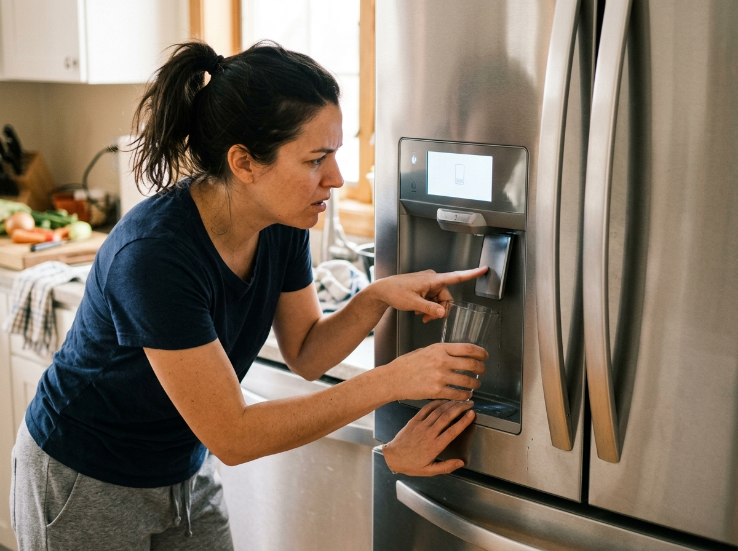
A refrigerator water dispenser that suddenly stops working can make everyday kitchen tasks much less convenient. You may press the dispenser lever and get nothing, notice only a weak stream, or find that the water comes out for a few seconds and then stops. The cause can be simple, such as a frozen water line or an empty filter, but the problem can also involve the inlet valve, dispenser switch, tubing, or another internal component.
Before assuming the refrigerator needs a major repair, start with a few safe checks. Looking at the water flow, filter condition, temperature settings, and visible tubing can help narrow down the problem. This guide explains the common reasons a refrigerator water dispenser stops working, what you can check yourself, and when refrigerator repair in Orlando, FL may be needed.
Why Is My Refrigerator Water Dispenser Not Working?
A refrigerator water dispenser depends on several parts working together. Water must reach the refrigerator, pass through the appropriate filter or tubing, and flow through the dispenser system when the switch is activated. A blockage or failed component anywhere along that path can stop or reduce the water supply.
Start by checking whether the dispenser makes any sound when you press it. If you hear the refrigerator respond but no water comes out, a frozen line, blocked filter, or water-supply problem may be involved. If there is no sound at all, the issue could involve the dispenser switch, control system, or another electrical component.
The pattern also matters. A dispenser that has always flowed slowly may have a different cause from one that suddenly stopped working. If the refrigerator has recently been moved, had its filter changed, or experienced unusually cold settings, those events can provide useful clues about what changed.
Could the Water Filter Be Clogged?
A clogged water filter can reduce or completely stop water flow through the dispenser. Filters collect particles from the water supply over time, and a filter that is heavily restricted may allow only a weak stream. Some refrigerators also have a filter indicator that signals when the cartridge needs attention.
Check the manufacturer's instructions for your refrigerator and determine whether the filter is due for replacement. Make sure the cartridge is installed correctly because an improperly seated filter can also interfere with water flow. Do not force the filter into place if it does not align properly with the housing.
After installing a replacement filter, follow the manufacturer's instructions for flushing the system if required. Air can sometimes enter the water line during filter replacement and affect the initial flow. If the dispenser still does not work correctly after a properly installed filter, the issue may be elsewhere in the water system.
Can a Frozen Water Line Stop the Dispenser?
Yes. A water line inside the refrigerator can freeze and block the flow even when the rest of the appliance appears to be working normally. This can happen when part of the dispenser line becomes colder than intended, particularly when airflow is directed toward the tubing or the refrigerator compartment is running too cold.
One clue is when the refrigerator is cooling normally but the dispenser suddenly stops producing water. You may also notice that the ice maker continues to operate, depending on how the refrigerator's water lines are designed. A frozen dispenser line and a general water-supply failure can produce similar symptoms, so the rest of the appliance's behavior matters.
Do not use sharp objects, open flames, or direct high heat to force a frozen line to thaw. These methods can damage the tubing or nearby refrigerator components. If you suspect a frozen line, follow the manufacturer's instructions or arrange professional service when the blockage does not safely clear.
Why Is the Water Flow Very Weak?
A refrigerator dispenser that still produces water but has a weak stream may have a partially restricted filter, frozen line, low water pressure, or another flow problem. A kinked supply line behind the refrigerator can also limit the amount of water reaching the appliance.
Check the visible section of the water line for sharp bends or compression when it is safe to do so. A refrigerator that has recently been moved may have a line positioned differently from before. Do not pull hard on the appliance or disconnect the water connection simply to inspect the tubing.
Weak flow can also develop gradually as a filter becomes restricted. If replacing the filter does not restore normal flow and there are no obvious external problems, the refrigerator may need a more detailed inspection. The inlet valve, tubing, or another internal part may be limiting water delivery.
Could the Refrigerator Water Supply Be Turned Off?
The refrigerator needs an active water supply for the dispenser to work. A shutoff valve may have been closed during plumbing work, filter replacement, appliance movement, or another kitchen project. A partially closed valve can also reduce water flow instead of stopping it completely.
Check whether any recent plumbing or appliance work may have affected the refrigerator's water connection. If the refrigerator has been moved for cleaning or remodeling, the supply line should be checked for obvious problems before assuming an internal failure.
Do not remove plumbing components or loosen connections unless you know the proper procedure and can safely manage water pressure. A leak behind the refrigerator can damage flooring and cabinetry quickly. When the water supply condition is unclear, professional inspection can be safer than experimenting with the connection.
Can a Kinked Water Line Affect the Dispenser?
A kinked line can restrict water flow and may happen when a refrigerator is pushed too close to the wall. The supply tubing needs enough room to maintain its intended shape. A sharp bend can reduce the amount of water reaching the refrigerator even when the household water supply is working normally.
Look behind the refrigerator without pulling the appliance aggressively. Check the visible tubing for obvious bends, crushing, or pressure from the cabinet or wall. If the line appears compressed, avoid forcing it into a different position while water is flowing unless the manufacturer provides instructions for safely doing so.
A kinked line is usually easier to identify than an internal component problem, but it is not the only reason for weak flow. If the line looks normal and the dispenser remains slow, the filter, inlet valve, or another part may need testing.
Why Does the Dispenser Make a Humming Sound?
A humming sound when you press the dispenser can indicate that the refrigerator is attempting to operate the water system. If no water comes out, the line may be blocked, the filter may be restricted, or the water inlet system may not be allowing water through.
The sound itself does not confirm which part has failed. A refrigerator can make similar noises when the dispenser switch, inlet valve, or other component is activated. Listen for whether the sound is consistent with normal dispenser operation and compare it with how the refrigerator behaved before the problem started.
If the dispenser hums continuously but produces no water, avoid holding the lever down repeatedly. Repeated attempts will not remove a hidden blockage and can make the situation harder to diagnose. Check the safe external causes first, then arrange service if the flow does not return.
Could the Water Inlet Valve Be Faulty?
The water inlet valve controls water entering the refrigerator from the household supply. When it fails or becomes restricted, the dispenser may stop working or produce only a weak stream. The valve is an internal component and usually requires testing to determine whether it is receiving the correct signal and allowing water through.
An inlet valve problem can produce symptoms similar to a blocked line or filter. That is why replacing the valve based only on a no-water symptom can be wasteful. The filter, tubing, supply pressure, and dispenser controls should be considered before the component is replaced.
Do not attempt to remove the valve or work on the refrigerator's water connections while the appliance is connected to its utilities. A technician can inspect the water system and identify whether the valve is actually responsible or whether another part is restricting flow.
Why Does the Ice Maker Work but the Water Dispenser Does Not?
Some refrigerators use related water-supply systems for both the ice maker and dispenser, but the water paths and controls can differ. This means an ice maker that continues making ice does not automatically prove that the dispenser side is working correctly.
If the ice maker works while the dispenser does not, the issue may be limited to the dispenser line, switch, valve control, or a blockage specific to that path. The pattern is useful because it suggests that at least part of the refrigerator's water supply is functioning.
Do not assume that the ice maker and dispenser must fail together. Refrigerator designs vary, and a fault affecting one function may have little effect on the other. Use the difference as a troubleshooting clue rather than trying to replace a shared component without testing it.
Can the Dispenser Switch Stop Working?
The dispenser switch activates the system when you press the lever or control. If the switch becomes damaged or fails electrically, the refrigerator may not respond at all when you request water. A lack of sound or activity can sometimes point toward a control-related issue.
Check whether the dispenser controls respond normally when you use them. Some refrigerators also have a control lock or child-lock feature that can disable the dispenser. Review the control panel and owner's manual before assuming the switch has failed.
An internal switch or control problem should not be tested by taking apart the dispenser housing without the appropriate instructions. Water and electrical components are located close together in many refrigerators, so unnecessary disassembly can create additional problems.
What If the Dispenser Works but Water Tastes Different?
A change in water taste can sometimes indicate that the filter needs attention or that the water line has not been used regularly. If the dispenser has been unused for an extended period, the first water may not taste the same as water from a regularly used system.
Follow the manufacturer's recommendations for filter replacement and flushing. Do not ignore a sudden taste or odor change when it appears alongside a drop in water flow because both symptoms may point toward a filter or water-supply issue.
The refrigerator itself may not be the only possible source of a taste problem. Household water conditions and plumbing can also affect what comes from the dispenser. When the issue affects other faucets or water fixtures as well, the broader water supply should be considered.
How Can Orlando Homeowners Prevent Dispenser Problems?
Routine refrigerator care can help prevent some dispenser issues. Replace water filters according to the manufacturer's guidance, keep the dispenser area clean, and avoid pushing the refrigerator so close to the wall that the supply tubing becomes sharply bent. Check the water line after moving the appliance or completing kitchen work.
Orlando's warm climate does not automatically cause refrigerator dispenser failures, but homes still need proper refrigerator settings and installation conditions. A refrigerator that is set too cold may contribute to localized freezing in water lines or food compartments. Follow the temperature recommendations provided with your appliance rather than using the coldest setting by default.
Pay attention to gradual changes in water flow. A stream that becomes weaker over time may indicate a developing restriction, while a sudden complete loss of water may suggest a blockage, valve, switch, or supply problem. Early attention can make the cause easier to identify.
When Should You Call for Refrigerator Repair?
Professional service becomes appropriate when the dispenser remains nonfunctional after safe checks of the filter, settings, water supply, and visible tubing. Internal problems involving the inlet valve, dispenser switch, control board, wiring, or internal water line require more than routine maintenance.
Other refrigerator symptoms can provide additional clues. Frost buildup, unusual noises, water leaks, temperature problems, or ice-maker issues may indicate that the dispenser problem is part of a larger appliance fault. A technician can inspect the related systems instead of treating only the visible symptom.
Stop using the refrigerator's water dispenser when you notice an electrical smell, visible wiring damage, significant leakage, or another unusual condition. A leaking water system can also damage flooring and cabinets if ignored. For broader refrigerator repair in Orlando, FL, professional diagnosis can help determine whether the problem is simple maintenance or a component failure.
Should You Repair or Replace a Refrigerator With a Failed Dispenser?
A water dispenser problem alone does not automatically mean the refrigerator needs replacement. A clogged filter, frozen line, restricted valve, or failed switch may be repairable without replacing the entire appliance. The condition of the rest of the refrigerator should be considered before making a replacement decision.
Look at the broader picture. If the refrigerator cools properly and the dispenser has one identifiable problem, repair may address the issue without affecting the rest of the appliance. If the refrigerator has several recurring problems, leaks, or other significant faults, replacement may need to be considered after diagnosis.
The site's existing repair or replace refrigerator guide can help organize that decision once the actual problem has been identified. Avoid making the choice based solely on the fact that the dispenser stopped working.
Final Thoughts
A refrigerator water dispenser can stop working for several reasons, and the most obvious symptom does not always reveal the actual cause. A clogged filter, frozen line, kinked tubing, water-supply problem, dispenser switch, or inlet valve can all affect water flow. Start with the simple checks that are safe to perform and pay attention to whether the dispenser is completely dry or only producing a weak stream.
When basic troubleshooting does not restore normal operation, avoid taking apart the refrigerator or replacing components without testing them. A proper diagnosis can identify whether the problem is related to the water supply, dispenser controls, tubing, or another internal part. Addressing the issue early can help prevent leaks, wasted water, and a more disruptive refrigerator problem.

 English
 Arabic
 French
 Spanish
 Portuguese
 Turkish
 Dutch
Dutch
 Italiano
 Russian
 Romaian
 Portuguese (Brazil)
 Greek
Greek