


Vehicle Branding Dubai: How to Make Business Vehicles Work Harder for Your Brand
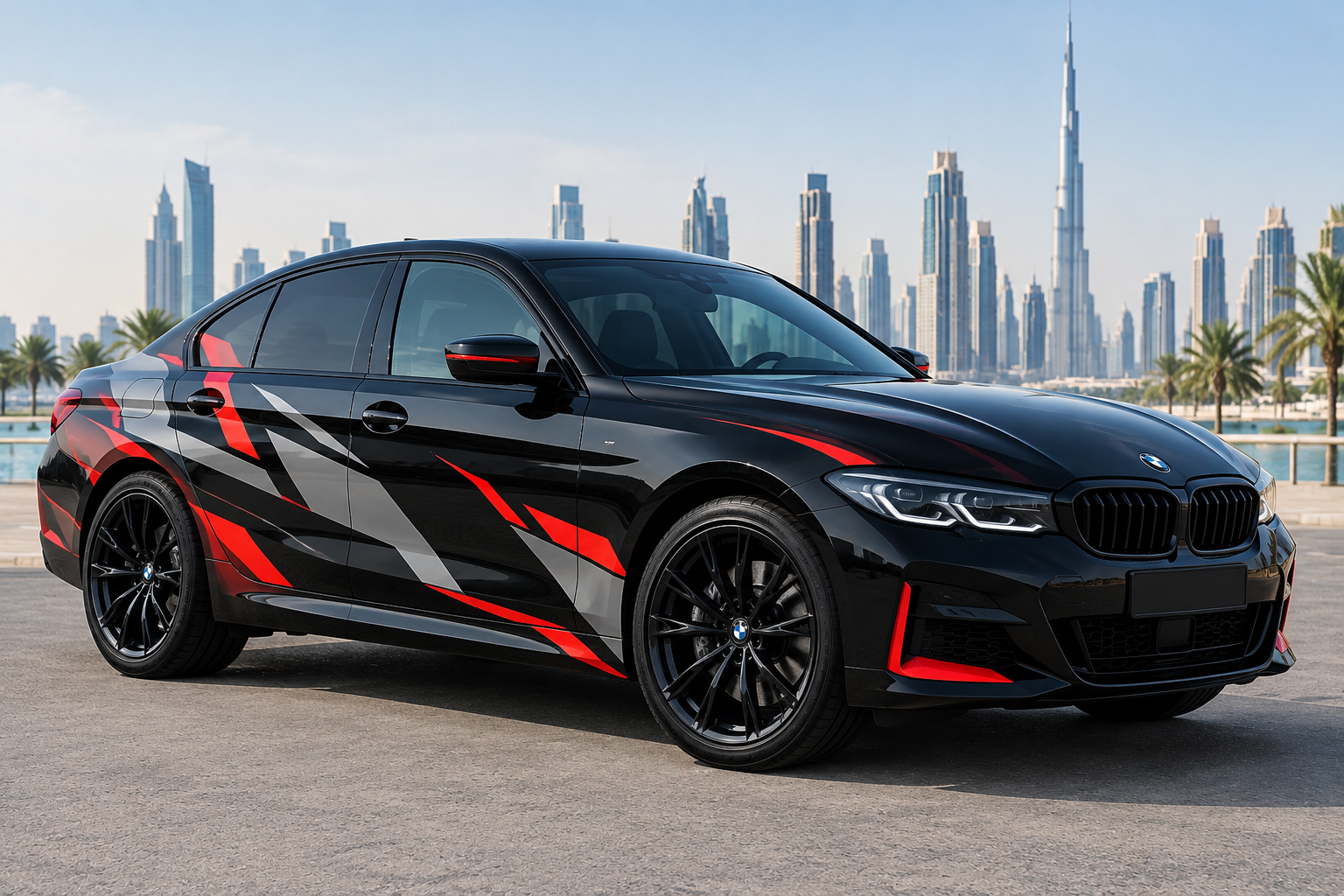
A company vehicle can do more than transport people, tools, or products. When it carries well-planned graphics, it can also introduce a business to people who see it during regular journeys, customer visits, deliveries, and stops around the city. The challenge is making that information easy to understand without covering the vehicle with unnecessary text.
Vehicle Branding Dubai can include decals, printed graphics, partial wraps, full wraps, and other visual applications for cars, vans, trucks, buses, and business fleets. The most useful approach depends on the vehicle, its daily role, the audience it reaches, and the amount of information that needs to be communicated.
For companies considering this type of branding, the design process should begin with communication rather than decoration. A well-planned vehicle should make the business identifiable quickly and present its main message in a readable way.
Start With the Vehicle's Daily Role
The same branding approach will not suit every business vehicle.
A service van that travels to customer properties may need a prominent company name, service description, and contact detail. A delivery vehicle may benefit from stronger identification that can be recognised from behind or while parked. A company car used mainly for meetings may require a more restrained treatment.
The vehicle's normal use also affects how much information makes sense. If people usually see it for only a few seconds, a long list of services will be difficult to absorb. If it spends considerable time parked at customer locations, there may be more room for supporting information.
Before creating artwork, consider:
-
where the vehicle normally travels
-
whether it is mostly moving or parked
-
who is likely to see it
-
how quickly the message needs to be understood
-
whether the vehicle is part of a larger fleet
These details provide a better starting point than choosing graphics first.
Give the Most Important Information Priority
A vehicle has limited visual space, so information needs a clear order.
The business name or logo will often need the strongest position. A short description of the service can then explain what the company does. A website or another contact method can provide a next step for someone who wants more information.
Not every vehicle needs all of these elements.
For example, a well-known business may already have a recognisable name and can use more of the available space for a specific service. A newer company may need its identity to be more prominent.
The main principle is simple: the viewer should not have to search for the important information.
Small text, long paragraphs, and too many separate messages can make a design harder to understand from a distance.
Choosing Between Decals, Graphics and Wraps
There is more than one way to brand a vehicle.
Decals can work well for company names, logos, lettering, and smaller graphic elements. They can identify a vehicle without covering large areas.
Printed graphics allow businesses to use more detailed artwork, imagery, and colour. Selected sections of the vehicle can be used according to the intended message.
Partial wraps cover specific areas and can provide a stronger visual treatment while leaving parts of the original vehicle visible.
Full wraps provide a larger surface for coordinated colours, graphics, and branding. They may be considered when a business wants a more comprehensive visual change.
The choice should be based on the communication goal, vehicle type, expected use, and desired coverage. More coverage does not automatically make a design more effective.
Design for Real Viewing Conditions
A design can look excellent on a computer and still be difficult to read once it is on a moving vehicle.
Viewing distance is one of the main considerations. Text that appears comfortably sized during artwork review may become difficult to read when another driver sees the vehicle from several metres away.
Contrast also matters. Important information needs enough distinction from its background to remain visible in different outdoor conditions.
The shape of the vehicle creates another consideration. Doors, handles, windows, wheel arches, panel gaps, and curves can interrupt graphics or change their appearance.
This is why vehicle artwork should be reviewed against the actual vehicle rather than treated as a flat graphic alone.
Vehicle Branding Dubai for Different Business Needs
Businesses use branded vehicles for different reasons, so the design should reflect the actual objective.
A maintenance company may want customers to recognise its technicians when they arrive at a property. A delivery company may need clear company identification across several vehicles. A construction business may want its fleet to carry a consistent identity between project locations.
Fleet owners also need to think about consistency.
Different vehicles rarely have identical body shapes. A layout designed for a small car may not transfer directly to a van or truck. Core elements such as the logo, colours, typography, and main message can remain consistent while their placement changes to suit each vehicle.
Businesses exploring different approaches can use Vehicle Branding Dubai as a reference when reviewing vehicle graphics, decals, wraps, and branding options.
Think About the Rear View
The sides of a vehicle often receive considerable attention during design, but the rear should not be overlooked.
A vehicle can spend a significant amount of time being followed by other road users. The rear therefore provides an opportunity to present the company name or a short message where it can be understood without requiring the viewer to see the full design.
The available rear space varies considerably between vehicles. Door lines, windows, lights, handles, and other components need to be considered when positioning text and graphics.
The goal is not to fill every available section. It is to make the important information visible from the angle where it will actually be seen.
Consider Fleet Consistency
For companies operating several vehicles, branding should work as a system rather than as a collection of unrelated designs.
A consistent fleet might share:
-
the same company identity
-
core colours
-
typography
-
service wording
-
contact details
-
general graphic style
At the same time, each vehicle may require adjustments because of its dimensions and body structure.
This approach can make vehicles recognisable as part of the same business without forcing identical artwork onto every model.
It is also worth considering future fleet additions. A flexible design system is easier to adapt when a company later adds different vehicle sizes or types.
Installation and Maintenance Matter Too
The finished appearance depends on more than artwork.
Installation has to account for body contours, panel edges, doors, handles, and other physical features. When graphics cross different sections of a vehicle, accurate positioning becomes particularly important.
Maintenance should also be considered before choosing a branding approach. Vehicles operating outdoors are exposed to sunlight, heat, dust, road conditions, and regular cleaning. The selected application and its care requirements should suit the vehicle's normal working environment.
For this reason, the planning stage should include questions about how the vehicle will be used, cleaned, stored, and maintained.
Common Vehicle Branding Mistakes
Several design problems can reduce the usefulness of otherwise good vehicle graphics.
Too much information: Trying to list every service can make the main message difficult to find.
Small text: Information that works on a desktop screen may not work at road-viewing distances.
Ignoring body panels: Doors and curves can disrupt logos or text when the artwork is not prepared around the vehicle.
Overusing decorative elements: Too many graphics can compete with the company identity.
Forgetting the rear: A strong side design does not automatically create good rear visibility.
Using one layout for every vehicle: Different body shapes often require different placement.
Treating installation as an afterthought: Artwork and application need to be considered together.
Avoiding these issues can make the finished branding easier to understand and more consistent with the business purpose.
A Simple Checklist Before Production
Before approving vehicle branding, review the design from a practical perspective.
Ask:
-
Is the business identity easy to recognise?
-
Can the main service be understood quickly?
-
Is the text suitable for the expected viewing distance?
-
Does the design fit the vehicle's actual shape?
-
Have doors, windows, handles, and panel gaps been considered?
-
Does the rear communicate effectively?
-
Can the design be adapted to other fleet vehicles?
-
Are the colours and text sufficiently distinct?
-
Has unnecessary information been removed?
-
Are installation and maintenance requirements understood?
A careful review at this stage can prevent avoidable changes after production begins.
When Should a Business Consider Vehicle Branding?
Vehicle branding can make sense for companies whose vehicles regularly move between customer locations, workplaces, project sites, suppliers, and commercial areas.
Its value depends on how well the design communicates. A vehicle carrying a simple, readable identity may be more useful than one covered with information that people cannot absorb quickly.
The appropriate approach also changes according to the business. Some companies may need only small identification graphics, while others may benefit from partial or full coverage. Fleet operators may need a consistent visual system that can be adapted across several vehicle types.
The starting point should therefore be the vehicle's purpose and the message the business wants people to remember.
FAQs
What can vehicle branding include?
It can include business names, logos, decals, printed graphics, partial wraps, full wraps, service information, and other visual elements applied to business vehicles.
How much information should go on a branded vehicle?
The most important information should receive priority. A company name, logo, main service, and suitable contact detail may be more useful than a long list of services.
Does every fleet vehicle need the same design?
Not necessarily. A consistent brand identity can be maintained while adjusting the layout for different vehicle sizes and body shapes.
Are full wraps necessary for business branding?
No. Decals, selected graphics, or partial wraps may be suitable when a business does not need complete vehicle coverage.
What should be checked before vehicle graphics are produced?
Review the vehicle dimensions, artwork placement, readability, panel structure, coverage, installation requirements, and maintenance considerations before approving the final design.
Conclusion
Effective vehicle branding starts with communication. The design should make a business recognisable, present useful information clearly, and work with the physical shape and everyday use of the vehicle.
For businesses operating in the UAE, the most suitable approach depends on factors such as vehicle type, audience, coverage, fleet requirements, and the message that needs to be remembered. Starting with these practical considerations can help create vehicle graphics that look appropriate while remaining useful to the people who see them.

 English
 Arabic
 French
 Spanish
 Portuguese
 Deutsch
 Turkish
 Italiano
 Russian
 Romaian
 Portuguese (Brazil)
 Greek
Greek