


Electric Bike Motors Manufacturers Production Steps
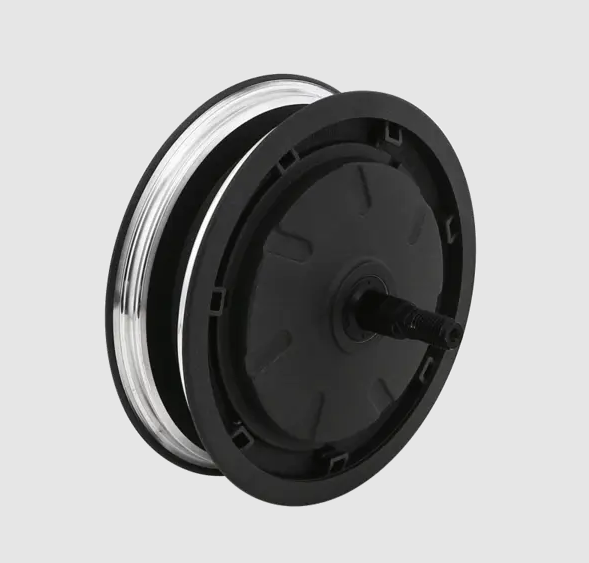
Electric bike motors manufacturers start by defining the performance targets for a given application. They examine required torque output, continuous power rating, and physical dimensions that fit common frame designs. Engineers select either a hub motor layout or a mid-drive configuration based on the intended riding style and weight distribution goals. Copper wire of specific gauges fills the stator slots, while permanent magnets of chosen grades attach to the rotor. These material decisions directly influence how efficiently the motor converts battery current into rotation.
Once the electromagnetic design is set, manufacturers move to mechanical detailing. Housing shapes must allow adequate airflow or accept liquid cooling channels. Shaft bearings receive careful specification so they support both radial and axial loads under real riding conditions. The motor controller interface is standardized early so the finished unit communicates cleanly with popular throttle and display systems. Prototype motors then undergo dyno testing that maps torque across the full speed range and checks thermal rise under sustained load.
Production lines for electric bike motors manufacturers typically combine automated winding machines with manual assembly stations for magnet placement and final balancing. Each rotor is spun at high speed to verify that vibration stays within acceptable limits. Stators receive vacuum impregnation of resin to lock the windings in place and improve heat transfer. After assembly, every motor passes a series of electrical and mechanical checks that confirm insulation integrity, phase resistance balance, and free rotation.
Manufacturers also prepare documentation that helps bike builders integrate the motor. Mounting patterns, wiring diagrams, and recommended torque settings for fasteners form part of the package. Some facilities offer limited customization, such as altered shaft lengths or special connector types, so the motor matches a particular frame geometry. Throughout the process the emphasis remains on consistent output from one unit to the next, because variation in power delivery can affect the feel of the finished electric bike.
The result of this coordinated work is a compact, responsive power unit ready for installation. Riders experience the outcome as smooth acceleration and predictable throttle response, while the electric bike motor benefits from a component that fits cleanly into existing designs.

 Arabic
 French
 Spanish
 Portuguese
 Deutsch
 Turkish
 Dutch
 Italiano
 Russian
 Romaian
 Portuguese (Brazil)
 Greek