


Septic Installation: What Every Homeowner Should Know Before the Digging Starts
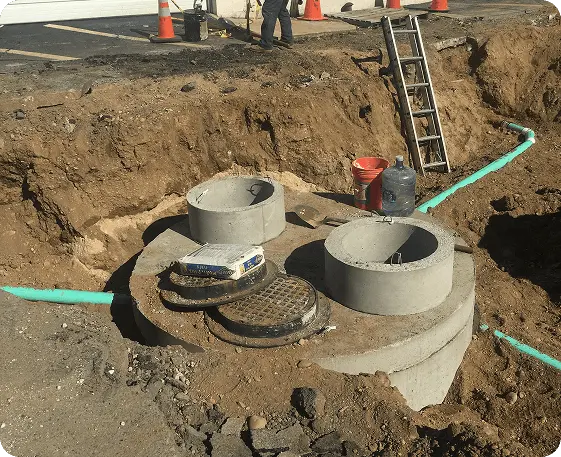
Getting Started with Septic Installation in Lake Grove
Replacing or installing a septic system is one of those home projects that homeowners rarely think about until something goes wrong. For residents pursuing septic installation Lake Grove projects, the process involves more moving parts than most people expect: soil testing, health department approvals, precise engineering calculations, and coordination with an experienced installation crew who understands the specific conditions of the area.
Lake Grove sits within Suffolk County, which enforces some of the strictest wastewater treatment regulations in New York State. This isn't arbitrary red tape. The county's high water table and proximity to sensitive groundwater resources mean that septic systems have to be engineered carefully to prevent contamination. Older homes in the area, many built before modern standards were established, often rely on outdated cesspools or undersized septic tanks that simply can't keep up with today's household water usage. Between multiple bathrooms, dishwashers, washing machines, and outdoor irrigation, the demand placed on these systems has grown considerably over the decades.
Before any installation begins, a licensed contractor will need to perform a percolation test on the property. This test measures how quickly water absorbs into the soil, which directly determines the size and design of the leaching system. Sandy soil, common throughout much of Lake Grove, generally percolates well, but that doesn't mean every lot is straightforward. Factors like lot size, distance to wells, proximity to wetlands, and existing structures all play a role in how the system gets designed and where it can legally be placed.
Common Warning Signs Your Septic System Needs Attention
Many homeowners don't realize their system is failing until the problem becomes hard to ignore. Some of the most common indicators include:
- Slow-draining sinks, tubs, or toilets throughout the house, especially when multiple fixtures are affected at once
- Sewage odors near the yard or around the septic tank area, particularly after rain
- Standing water or unusually soggy, spongy ground above the leaching field
- Gurgling sounds coming from drains or toilets after flushing
- Sewage backups into the basement or lowest drains in the home
- A septic tank that requires pumping far more frequently than the typical three-to-five-year interval
If you're noticing several of these signs together, it's worth scheduling a professional evaluation sooner rather than later. Catching a failing system early can sometimes mean the difference between a repair and a full replacement.
Why Kings Park Homeowners Face Comparable Decisions
Just up the road, homeowners searching for septic installation Kings Park deal with many of the same regulatory and environmental considerations. Kings Park shares Suffolk County's general soil composition and health department oversight, meaning the permitting process and design requirements are largely similar to what Lake Grove residents encounter.
That said, Kings Park's terrain includes some hillier sections and properties closer to Sunken Meadow and the Nissequogue River, which can introduce additional considerations around setback distances and environmental protections. A contractor familiar with both towns will know how to navigate these nuances without unnecessary delays, whereas someone unfamiliar with the local jurisdiction might run into avoidable permitting hiccups.
Homeowners in both communities benefit from working with installers who have an established local track record. Suffolk County Department of Health Services reviews every septic application, and a contractor who regularly works within this system tends to move applications through more smoothly than one encountering the process for the first time.
What to Expect During the Installation Process
Once permits are approved, the actual installation typically follows a predictable sequence:
- Site preparation and excavation — The installation area is cleared, and any existing cesspool or septic system is removed or properly decommissioned according to code
- Tank placement — A precast concrete or approved alternative tank is set at the engineered depth and location
- Leaching system installation — Depending on soil conditions, this may involve leaching pools, a distribution field, or an advanced treatment system for lots with poor drainage
- Backfilling and grading — Proper grading ensures surface water flows away from the system and the home's foundation
- Final inspection — The health department inspects the completed system before it can be covered and put into use
Most straightforward installations are completed within one to two weeks from the start of digging, though permit processing beforehand can add several weeks to the overall timeline. Properties with challenging soil conditions, high water tables, or limited space may require more complex system designs, such as raised systems or additional pretreatment units, which can extend both the cost and timeline.
Selecting a Qualified Septic Contractor
The quality of your septic installation depends heavily on the contractor you choose. A few things worth confirming before signing a contract:
- Verify the company holds proper New York State licensing and carries adequate liability insurance
- Ask about their specific experience with Suffolk County health department permitting
- Request references from recent installations in Lake Grove, Kings Park, or nearby communities
- Get a detailed, itemized written estimate rather than a vague lump-sum quote
- Ask what warranty coverage applies to both labor and materials
Be cautious of any bid that comes in significantly below competing estimates. In many cases, a lower price reflects an undersized tank, a shortcut on excavation depth, or gaps in permitting that could cause problems later. A trustworthy contractor takes time to explain their design choices and answers questions clearly rather than rushing you toward a signature.
Maintaining Your System After Installation
A properly installed septic system can last for decades, but only with reasonable maintenance. Some best practices worth following:
- Schedule tank pumping every three to five years, or more frequently for larger households
- Avoid flushing grease, wipes, and non-biodegradable items that disrupt the tank's natural bacterial processes
- Keep heavy vehicles and equipment off the leaching field to prevent soil compaction and pipe damage
- Plant trees and large shrubs well away from the system to avoid root intrusion into pipes or the tank itself
- Monitor water usage during heavy rain periods, as saturated soil reduces the system's absorption capacity
Taking these steps seriously helps homeowners avoid the premature failures and costly emergency repairs that often stem from neglect rather than poor initial installation.
For homeowners across Lake Grove and Kings Park, a properly designed and professionally installed septic system is one of the more significant investments in a property's long-term function and value. Partnering with an experienced local contractor who understands Suffolk County's regulations, soil conditions, and permitting process makes the entire experience considerably smoother from start to finish.

 English
 Arabic
 French
 Spanish
 Portuguese
 Deutsch
 Turkish
 Dutch
Dutch
 Italiano
 Russian
 Romaian
 Portuguese (Brazil)