


Food Poisoning Treatment: When to Seek Medical Care
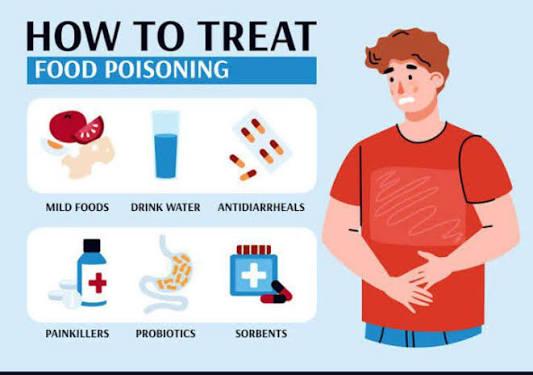
Food poisoning is a common health problem that can affect anyone after consuming contaminated food or beverages. While many cases are mild and improve within a few days, some individuals may experience severe symptoms that require professional medical attention. Understanding the importance of timely Food Poisoning Treatment can help prevent dehydration, complications, and prolonged illness.
Food poisoning is often caused by bacteria, viruses, parasites, or toxins that contaminate food during preparation, storage, or handling. The severity of symptoms depends on the type of contamination, the amount consumed, and the person's overall health.
Common Symptoms of Food Poisoning
Symptoms usually appear within a few hours or days after consuming contaminated food. The most common signs include:
- Nausea and vomiting
- Diarrhea, which may be frequent or severe
- Stomach cramps and abdominal pain
- Fever and chills
- Fatigue and weakness
- Loss of appetite
Although many people recover with rest and proper hydration, persistent or worsening symptoms should never be ignored.
Effective Food Poisoning Treatment
The primary goal of Food Poisoning Treatment is to replace lost fluids, relieve symptoms, and address the underlying cause when necessary. Drinking plenty of water and oral rehydration solutions can help prevent dehydration caused by vomiting and diarrhea.
Healthcare professionals may recommend medications based on the severity and cause of the illness. In some situations, laboratory testing may be required to identify bacterial infections or other sources of contamination. Patients with severe dehydration, high fever, bloody stools, or persistent vomiting may require hospital-based care and intravenous fluids.
Early medical evaluation is especially important for young children, older adults, pregnant women, and individuals with weakened immune systems, as they are at greater risk of complications.
Tips to Prevent Food Poisoning
Preventing food poisoning is often easier than treating it. Following safe food handling practices can significantly reduce the risk of infection. Some helpful preventive measures include:
- Wash hands before preparing or eating food.
- Cook meat, poultry, and seafood thoroughly.
- Store perishable foods at the correct temperature.
- Avoid consuming expired or spoiled food.
- Wash fruits and vegetables before eating.
- Prevent cross-contamination by using separate cutting boards for raw and cooked foods.
Simple hygiene habits can protect both individuals and families from foodborne illnesses.
Final Thoughts
Food poisoning can range from a minor inconvenience to a serious medical condition. Recognizing symptoms early and seeking appropriate Food Poisoning Treatment when needed can reduce complications and support a faster recovery. If symptoms become severe or do not improve, consulting a qualified healthcare provider is the safest course of action.

 English
 Arabic
 French
 Spanish
 Portuguese
 Deutsch
 Turkish
 Dutch
Dutch
 Italiano
 Russian
 Romaian
 Greek
Greek