


Breathizen: Creating Better Daily Transitions Through Simple Breath Awareness
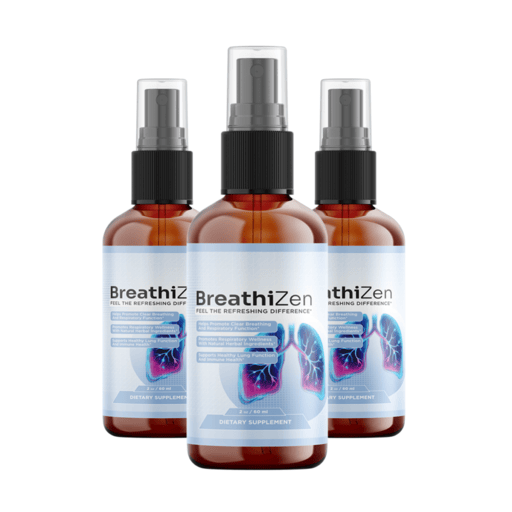
A day is made up of many transitions. People move from sleep to work, from home to travel, from meetings to individual tasks, and from professional responsibilities to personal time. These transitions can happen so quickly that there is little opportunity to notice the change between them.
Breathizen offers a simple way to make these transitions more intentional. By using natural breathing as a reminder to pause, people can create small moments of awareness between different parts of their day.
The concept is not about stopping everything or following a complicated routine. Instead, it focuses on recognizing opportunities that already exist. A few seconds before beginning a task, after completing an activity, or while moving from one location to another can become a useful awareness checkpoint.
Understanding the Idea of Daily Transitions
Transitions are everywhere.
Waking up is a transition from sleep to activity. Leaving home is a transition from personal space to the outside world. Starting work is a transition into professional responsibilities. Returning home marks another change.
Because these moments happen repeatedly, they can become natural anchors for awareness.
Breathizen encourages people to notice these changes rather than moving through them automatically.
The First Transition: Waking Up
The first moments after waking can set the tone for the morning.
Instead of immediately checking messages or thinking about everything that needs to be completed, pause briefly.
Notice your natural breathing.
Observe the environment around you.
Recognize that the day is beginning.
After this short pause, continue with your normal routine.
The purpose is not to delay the morning but to create a conscious beginning.
Moving From Bed to Morning Activities
Once you get up, the next few activities may happen automatically. Washing, dressing, preparing food, and organizing belongings can become part of a familiar sequence.
Breathizen can be incorporated into one of these activities.
Choose one routine action and use it as a reminder to become present. Notice the movements involved, your surroundings, and your natural breathing.
This transforms an ordinary action into a small awareness checkpoint.
Transitioning Into Work
Beginning work can sometimes feel abrupt, particularly when the first thing someone sees is a full inbox or a long list of responsibilities.
Before starting, create a short pause.
Sit at your workspace.
Take a natural breath.
Look at the tasks in front of you.
Choose where to begin.
This creates a simple separation between preparation and action.
Breathizen Between Meetings
Meetings often occur one after another, leaving little time between conversations.
Even when only a short gap exists, it can be used as an awareness moment.
After one meeting ends, step away from the screen if possible. Notice your breathing and surroundings before joining the next conversation.
This can help create a mental boundary between separate discussions.
The goal is not to eliminate every distraction but to give attention an opportunity to reset.
Changing From One Task to Another
Task switching can create a feeling of constant activity.
After completing one responsibility, people may immediately open another application, answer another message, or begin another project.
A short Breathizen pause can interrupt this automatic pattern.
Before beginning the next task, notice one or two natural breaths and identify what you are about to do.
Then begin with that activity.
This creates a clearer sequence throughout the workday.
Breathizen During Study Sessions
Students and learners can also use transitions as awareness points.
After finishing a chapter, exercise, lesson, or research section, pause before moving forward.
Look away from the material and notice your breathing.
Allow your attention to move away from the task for a moment.
Then return to learning.
This can create a rhythm between focused work and short periods of awareness.
Transitioning From Screen Time
Screens can make transitions less noticeable because one activity can immediately become another.
A person might finish working and then move directly to entertainment on the same device.
A Breathizen-inspired transition can be more deliberate.
When finishing one type of screen activity, put the device aside for a moment.
Stand up or change your position.
Notice your surroundings and breathing.
Then decide what you want to do next.
Using Awareness While Commuting
Travel provides a physical transition between locations.
When safely seated as a passenger, use part of the journey to notice the environment rather than continuously consuming information.
Observe the movement outside, sounds around you, and natural breathing.
If driving, keep full attention on traffic and road safety. Awareness should never interfere with responsible driving.
The broader idea is simply to recognize that travel itself is part of the day.
Returning Home
Coming home after work or study can be an important transition.
Instead of immediately carrying the same mental pace into the evening, create a short pause after arriving.
Put belongings away.
Take a natural breath.
Notice the environment of your home.
Recognize that the work or study portion of the day has changed.
This can create a simple psychological boundary between outside responsibilities and personal time.
Breathizen During Household Activities
Household tasks can become useful transition points.
For example, finishing dinner preparation can signal a shift toward eating. Completing cleaning can signal a move toward relaxation.
At these points, pause briefly and notice your breathing.
You do not need to make the activity longer.
The awareness simply marks the transition.
Creating a Meal Transition
Meals can be another natural checkpoint.
Before eating, pause and notice the food, surroundings, and breathing.
Then begin the meal.
If possible, spend at least part of the meal without immediately switching to another activity.
This can make eating feel like a distinct part of the day instead of something squeezed between responsibilities.
Before Important Decisions
Transitions are not limited to physical movement.
A decision can also create a transition from uncertainty to action.
Before making an important choice, pause briefly.
Notice your breathing.
Review the information available.
Identify the actual decision that needs to be made.
Then proceed.
This does not guarantee a particular result. It simply creates a moment of deliberate attention before action.
Breathizen and Communication
A conversation can shift quickly from casual to serious.
When this happens, a brief pause can be useful.
Before responding, notice your breathing and listen carefully to the other person.
Then decide how you want to respond.
This can help create a clearer boundary between hearing something and immediately reacting to it.
Transitioning Into Personal Time
After responsibilities finish, people sometimes struggle to switch into relaxation because the mind remains focused on unfinished tasks.
Create a small transition.
Close the computer.
Put work materials away.
Take a short walk or sit quietly.
Notice your breathing.
Then choose an evening activity.
The physical action of ending work combined with a brief awareness moment can make the transition more noticeable.
Breathizen and Hobbies
Starting a hobby can also be a transition.
Before reading, painting, gardening, photography, cooking, gaming, or another leisure activity, pause for a moment.
Notice your breathing and focus on the activity you have chosen.
During the hobby, return to that awareness whenever attention becomes scattered.
This allows leisure to become an experience rather than simply another way to fill time.
The Final Transition of the Day
Going to bed is the final major transition of the day.
Instead of moving directly from constant stimulation into sleep, create a short period of quiet.
Reduce unnecessary distractions.
Notice your breathing.
Allow the day's activities to remain in the past.
Thoughts may continue to appear, and there is no need to force them away. Simply recognize them and return attention to the present when appropriate.
Making Breathizen Flexible
Not every transition will provide the same opportunity.
Some days are calm. Others are filled with unexpected events.
A practical Breathizen routine should be flexible enough to adapt.
If one pause is missed, another opportunity will appear.
The goal is not to complete a checklist but to develop greater awareness of transitions that might otherwise happen automatically.
Keeping Breathing Natural
Breathizen is centered on noticing natural breathing rather than forcing uncomfortable breathing patterns.
There is no need to exaggerate inhalations or hold the breath for extended periods simply to practice awareness.
If someone experiences persistent breathing problems, chest pain, fainting, severe dizziness, or other concerning symptoms, appropriate medical evaluation is important.
Awareness practices should complement ordinary wellbeing habits, not replace professional medical care.
Turning Transitions Into Habits
The strength of this approach is that transitions already exist.
You do not need to create dozens of new activities.
Instead, attach awareness to moments that already happen:
Waking.
Starting work.
Finishing a task.
Beginning a meal.
Leaving work.
Returning home.
Preparing for sleep.
With repetition, these moments can become familiar reminders to pause.
Conclusion
Breathizen offers a practical perspective on everyday awareness by focusing on the transitions that connect different parts of life. These moments may only last a few seconds, but they provide natural opportunities to pause and reconnect with the present.
From waking in the morning to preparing for sleep, daily life contains countless transitions. Work, study, travel, meals, communication, household activities, technology, and leisure can all become part of this awareness-based rhythm.
The approach remains simple: recognize the transition, pause briefly, notice the natural breath, and continue.
By making awareness part of ordinary transitions rather than treating it as a separate responsibility, Breathizen can become a flexible and natural element of everyday living.

 English
 Arabic
 French
 Spanish
 Portuguese
 Deutsch
 Turkish
 Dutch
Dutch
 Italiano
 Romaian
 Portuguese (Brazil)
 Greek
Greek