


Why Breathability and Movement Design Matter in Playwear
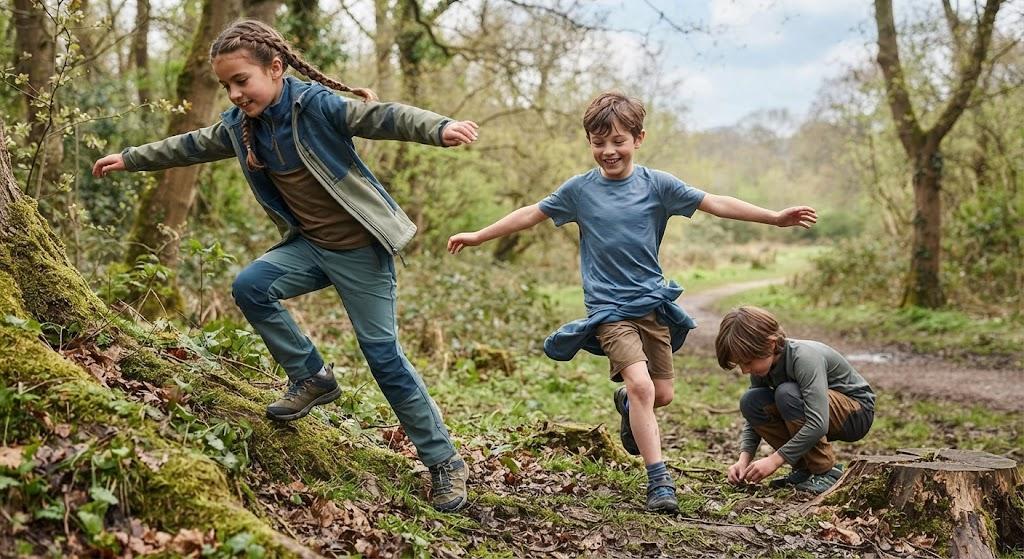
Choosing the right playwear is about much more than style or durability. For active children, clothing has to support running, climbing, crouching, stretching and long periods of outdoor play without causing discomfort. If garments trap heat, restrict movement or rub against the skin, children are far less likely to stay comfortable and focused. That is why breathability and movement design are two of the most important features to consider when selecting everyday play clothing.
This matters especially when children spend time outdoors in changing British weather, where a sunny morning can quickly turn into a cooler, windier afternoon. The best playwear works with the child’s body, not against it. In practical terms, that means fabrics that allow air to circulate, shapes that leave room for natural movement and details that reduce irritation. Parents looking for well-considered practical clothing often pay close attention to these features when comparing options such as kids shooting clothes, because performance and comfort are just as important as appearance.
When these design elements are done well, children are free to move more naturally, stay comfortable for longer and focus on the activity rather than the clothing. That can make a noticeable difference in outdoor play, school activities, family walks and organised sports.
Key points
- Breathable fabrics help regulate body temperature and reduce overheating during active play.
- Movement-friendly design supports running, bending, climbing and crouching without restriction.
- Good playwear reduces friction, irritation and distraction, improving comfort over longer periods.
- Layering works best when each piece allows airflow while still providing warmth when needed.
- Details such as seams, fit and stretch placement can have a major impact on how clothing performs.
Why breathability matters so much in playwear
Children generate heat quickly when they are active. Even a short burst of running around can raise body temperature, and if clothing does not allow heat and moisture to escape, discomfort builds up fast. Breathability helps regulate this by allowing air to move through the fabric and moisture to disperse more efficiently.
In practical terms, breathable playwear helps prevent that sticky, overheated feeling children often get when they are wearing heavy or poorly ventilated clothing. It also helps reduce the chance of damp fabric clinging to the skin after vigorous movement. That matters not just for comfort but also for confidence. A child who feels too hot or damp may become distracted, irritable or reluctant to keep playing.
Fabrics that support airflow
Some materials are naturally better at managing heat and moisture than others. Lightweight cotton can be comfortable for moderate activity, while technical blends often perform better when children are moving continuously. Fabrics designed with ventilation or moisture control in mind are especially useful for outdoor wear, where activity levels and weather can change throughout the day.
It is also worth remembering that breathability is affected by construction as well as fibre content. A fabric may be lightweight, but if it is tightly woven and lacks airflow, it can still trap heat. The overall design is what matters.
How movement design affects comfort and performance
Movement design refers to the way a garment is shaped and constructed to accommodate the body in motion. Children do not stand still for long, and playwear has to cope with repeated bending, stretching, kneeling, twisting and reaching. Clothing that is cut too narrowly or made with stiff seams can limit that freedom and become frustrating very quickly.
Well-designed playwear uses features that follow the body’s natural movement. This may include a more generous cut through the shoulders, articulated knees, stretch panels or strategically placed seams that reduce strain. These details may seem small, but they make a big difference once a child starts moving.
The importance of a balanced fit
A common mistake is assuming that a looser fit always equals better comfort. In reality, clothing that is too baggy can get in the way, catch on equipment or feel awkward to move in. A better approach is a balanced fit that allows room for action without becoming cumbersome.
For active children, the best fit tends to be one that sits comfortably at the shoulders and waist, leaves space for layering and allows full range of motion through the arms and legs. This is particularly important for activities that involve repeated position changes, such as kneeling, climbing, sitting on the ground or carrying equipment.
Comfort, concentration and confidence
Children often notice clothing only when something is wrong. A collar that rubs, a seam that presses or fabric that feels too warm can quickly become a distraction. Breathability and movement design reduce these small discomforts, which helps children stay more engaged in what they are doing.
Comfort also affects confidence. If a child feels restricted or self-conscious in their clothing, they may hold back from joining in fully. Playwear that moves well and feels comfortable can support more natural, active participation. This is especially relevant in group settings where children may be outdoors for longer periods and need clothing that remains reliable throughout the day.
Design details that make a real difference
Seams and stitching
Seams can be a hidden source of discomfort, particularly if they sit in high-friction areas such as the inner thigh, under the arms or across the shoulders. Flat seams, careful stitching and sensible seam placement all help reduce rubbing. For active playwear, these details are often just as important as the outer fabric.
Panels and stretch zones
Some garments use stretch panels in areas that need extra flexibility. This can improve movement without making the whole garment loose or unstable. Stretch is especially useful at the elbows, knees and back, where the body bends most frequently.
Cuffs, hems and fastenings
Small finishing details can affect comfort and practicality. Adjustable cuffs, secure but simple fastenings and hems that stay in place help the garment work with the child rather than shifting around during activity. These features also make it easier to layer clothing underneath when the weather turns colder.
Why breathability and movement design matter in British weather
The UK climate creates a particular challenge for children’s clothing. Mornings can be cool, midday can be mild and afternoons can turn damp or windy. Children may begin the day needing warmth, then spend the afternoon running hard enough to overheat. Playwear has to support that transition without making them feel too hot or too cold.
Breathable fabrics help release excess warmth during activity, while movement-friendly shaping means children can still wear a base layer or mid-layer when needed. The most practical clothing choices are those that work across changing conditions rather than only in one ideal temperature range.
That is one reason many families look for garments that can handle a variety of outdoor settings, from school fields and woodland walks to weekend activities and structured outdoor pursuits. Clothing that performs well in varied conditions tends to offer better long-term value because it is worn more often and with less fuss.
Layering without restricting movement
Layering is one of the best ways to keep children comfortable outdoors, but it only works when each layer is designed to function properly. A bulky or non-breathable base layer can trap heat, while a stiff outer layer may limit the body’s natural motion.
The aim is to create a system that is light enough to move in and flexible enough to adapt. A breathable base layer, a mid-layer that adds warmth without excess bulk and an outer layer that protects against wind or light rain can be far more effective than one heavy garment.
For active children, it helps if each layer is easy to put on, remove and adjust. This makes it simpler to respond to changing weather without interrupting play for long.
What parents should look for when choosing playwear
- Fabric weight: Choose materials that feel light enough for movement but substantial enough for regular wear.
- Ventilation: Look for breathable construction, especially for active outdoor use.
- Fit through the shoulders and knees: These areas are critical for freedom of movement.
- Seam placement: Check for stitching that avoids high-friction zones.
- Ease of layering: Make sure the garment works well with base layers or mid-layers.
- Practical finish: Cuffs, hems and closures should stay secure without feeling restrictive.
Conclusion
Breathability and movement design are not minor details in playwear. They shape how comfortable children feel, how freely they move and how well their clothing performs across different activities and weather conditions. When garments are designed with airflow, flexibility and practical fit in mind, children can stay active for longer without being distracted by heat, stiffness or irritation.
For families choosing clothing for energetic outdoor use, the most sensible option is often the one that balances comfort, freedom and practicality. Good playwear should support the child’s movement, adapt to changing conditions and remain comfortable enough to wear without constant adjustment. When those features come together, clothing becomes a helpful part of play rather than a barrier to it.
FAQ
Why is breathable playwear important for children?
Breathable playwear helps regulate body temperature, reduces moisture build-up and keeps children more comfortable during active play. This can prevent overheating and help them stay focused on what they are doing.
What makes clothing better for movement?
Clothing that supports movement usually has a balanced fit, flexible construction and thoughtful seam placement. Features such as stretch zones and articulated shaping can also improve comfort when children bend, stretch or climb.
Is a looser fit always better for playwear?
No. Clothing that is too loose can get in the way or feel awkward. A well-balanced fit is usually better because it allows movement without becoming bulky or restrictive.
Which fabrics are best for active outdoor wear?
Lightweight cotton can work well for moderate activity, while technical blends and moisture-managing fabrics are often better for more intense movement. The best choice depends on how active the child will be and what the weather is like.
How does the UK weather affect clothing choice?
Because the weather can change quickly, children often need clothing that can handle warmth, cool air and light moisture in the same day. Breathable layers and flexible design help make clothing more adaptable.
What should I check first when buying playwear?
Start with fabric, fit and seam placement. If those three elements are comfortable and practical, the garment is more likely to work well for regular play and outdoor use.

 English
 Arabic
 French
 Spanish
 Portuguese
 Deutsch
 Dutch
Dutch
 Italiano
 Russian
 Romaian
 Portuguese (Brazil)
 Greek
Greek