


How to Choose the Right Modern Dining Room Furniture for Your Space
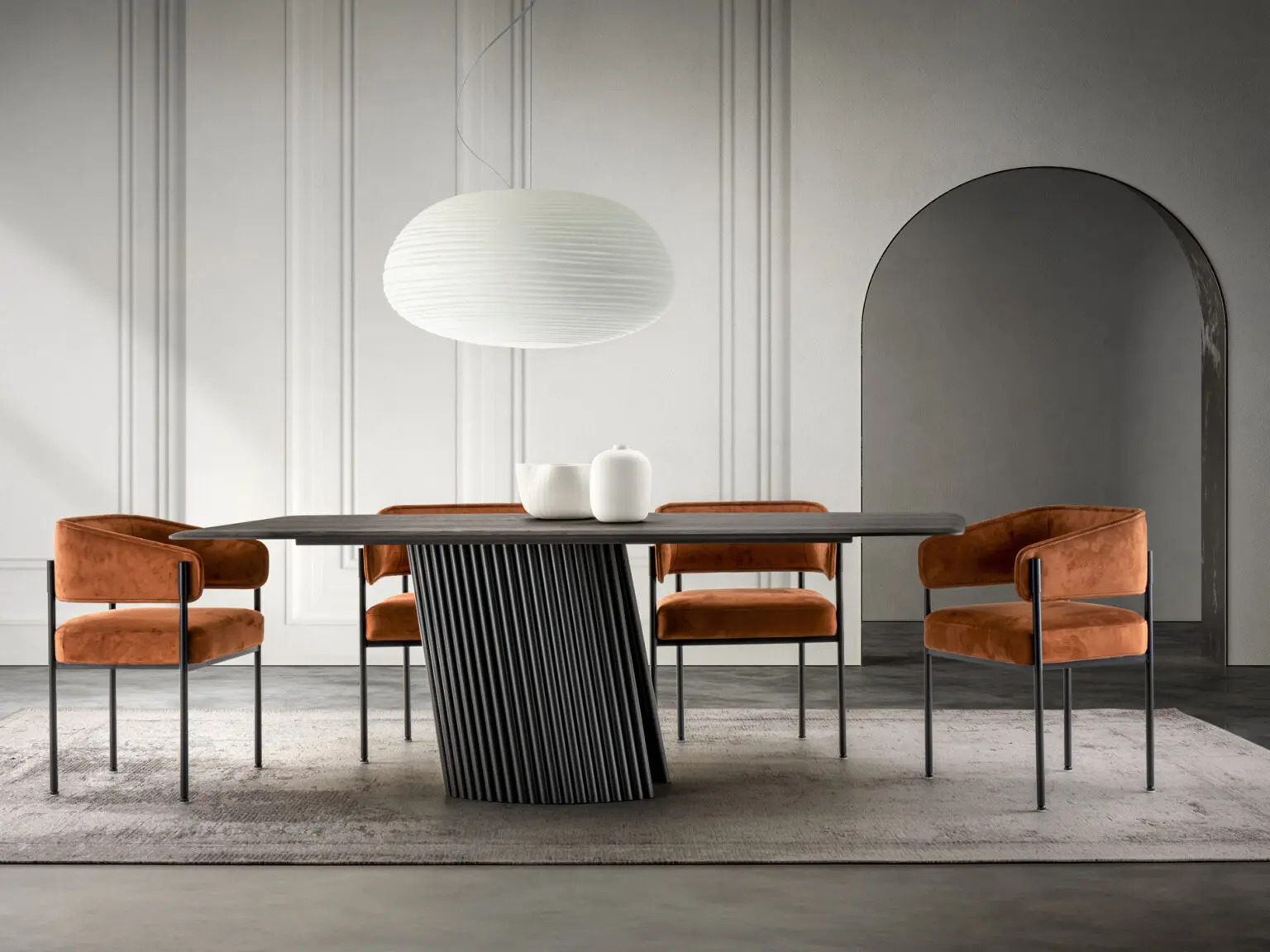
Choosing the right modern dining room furniture involves more than selecting a table and chairs that look attractive in a showroom. The furniture needs to fit the room, support comfortable meals, complement your interior style, and withstand everyday use. A well-planned dining area can become one of the most inviting spaces in a home, whether you regularly host guests or enjoy quiet family dinners. By considering measurements, materials, seating, proportions, and personal style before buying, you can create a dining room that feels comfortable, functional, and visually balanced.
Start With Your Dining Room Measurements
The first step is measuring your dining room before shopping for modern dining room furniture. Record the room's length and width, then note doors, windows, built-in cabinets, heating units, and other features that could affect furniture placement. Avoid choosing a table based solely on its listed dimensions because chairs also require enough room for people to sit and move comfortably. Leaving practical circulation space around the dining set helps prevent the room from feeling cramped.
Think about how the dining room is actually used throughout the week. A compact table may work well for a couple but become inconvenient when relatives or friends visit regularly. If your household needs flexible seating, consider an extendable table that can remain compact during everyday meals and accommodate additional guests when necessary. The shape of the room should influence the table shape as well, with rectangular tables often working well in longer spaces and round or square designs fitting certain compact layouts.
Choose a Table That Matches Your Lifestyle
The dining table is usually the visual and functional centerpiece of the room, so its construction deserves careful consideration. Solid wood can provide warmth and durability, while engineered materials, glass, stone, and metal can create a more contemporary appearance. Think about how frequently the table will be used and whether it needs to withstand children, pets, frequent entertaining, or heavy daily activity. A beautiful finish is useful only if it can handle the demands of your household.
Table height and proportions also affect comfort. Most standard dining tables are designed to work with conventional dining chairs, but unusual table designs may require more careful matching. Check the relationship between the tabletop height, seat height, and available legroom before making a purchase. If possible, sit at the table before buying and consider whether your knees have sufficient space. Small comfort issues can become frustrating when a dining set is used every day.
Select Comfortable and Proportional Seating
Chairs should complement the table without making the dining area visually overwhelming. Modern dining chairs are available in many forms, including upholstered, molded, wooden, metal, and mixed-material designs. Consider back support, seat depth, upholstery, and overall stability rather than focusing exclusively on appearance. If your family spends considerable time talking or working at the dining table, comfortable seating becomes even more important.
It is also worth considering the number of chairs the room can realistically accommodate. Pushing too many chairs around a table can restrict movement and make guests feel crowded. Allow enough space between chairs so people can sit down and stand up without constantly bumping into one another. Armchairs can add comfort and visual interest at the ends of a rectangular table, but they require additional clearance compared with armless chairs.
Coordinate Materials, Colors, and Finishes
A modern dining room does not have to consist of furniture from one matching collection. In fact, combining complementary materials can create a more sophisticated and personal appearance. A wooden table can be paired with upholstered chairs, metal lighting, or a glass cabinet. The important consideration is visual connection. Repeating a wood tone, finish, color, or material in several areas of the room can make different pieces feel intentionally coordinated.
Color should also reflect the atmosphere you want to create. Neutral furniture can provide a versatile foundation that works with changing accessories, while darker finishes may add depth and formality. Natural wood can bring warmth to rooms dominated by white, gray, or other cool surfaces. If the furniture has a strong color or distinctive shape, keep surrounding elements relatively restrained so the dining area does not become visually cluttered.
Consider Quality and Long-Term Value
Quality is particularly important when selecting furniture that will receive frequent use. Inspect table surfaces, joints, chair frames, drawer mechanisms, hardware, and upholstery before purchasing. A sturdy dining chair should feel stable when you sit down and move naturally, while a table should remain secure without excessive movement. Look closely at edges and corners because poor finishing can become more noticeable over time. Good construction is often easier to appreciate after years of regular use than during the first few minutes in a showroom.
Buyers interested in collectible modern furniture may also approach their purchases differently. Design history, manufacturer, designer attribution, production period, rarity, condition, and provenance can influence the significance of a particular piece. However, collectible status should not replace practical considerations when the furniture will be used every day. If purchasing a vintage or collectible item, research its construction and history carefully and distinguish authentic originals from later reproductions or unauthorized copies.
Match Furniture to the Room's Overall Style
Modern dining furniture can complement many interior approaches, from minimalist and contemporary rooms to warmer transitional spaces. The trick is to identify the design characteristics already present in your home. If the room has clean architectural lines, streamlined furniture may reinforce that appearance. In a more traditional setting, introducing a contemporary dining table alongside classic architectural details can create deliberate contrast. This approach prevents the dining area from feeling disconnected from the rest of the home.
Lighting, rugs, wall art, and storage should also be considered when planning the room. A pendant light positioned above the table can establish a clear focal point, while a properly sized rug can visually define the dining zone. Sideboards and cabinets provide useful storage for tableware while contributing additional texture and shape. Keep enough open space around these elements so the furniture remains easy to use and the room retains a sense of movement.
Think About Maintenance and Everyday Practicality
The best modern dining room furniture is furniture that fits comfortably into your daily routine. Families who eat frequently at the table may benefit from durable, easy-to-clean surfaces, while households that entertain often may prioritize expandable tables and stain-resistant upholstery. Consider how quickly different materials show fingerprints, crumbs, scratches, or water marks. Practical maintenance requirements should be understood before purchasing rather than discovered after the furniture is installed.
Maintenance also varies according to the material and finish. Wood generally benefits from appropriate cleaning and protection from excessive moisture and prolonged direct sunlight. Upholstery requires routine vacuuming and prompt attention to spills, while glass surfaces may need frequent cleaning to maintain a polished appearance. Following the manufacturer's care instructions can help preserve both appearance and structural condition. A realistic maintenance routine makes it easier to keep the dining area looking attractive over the long term.
Create a Dining Space That Feels Like Yours
Choosing furniture successfully ultimately comes down to balancing aesthetics with real-world needs. Begin with accurate measurements, determine how many people need to be seated, and establish a realistic budget before comparing designs. From there, evaluate construction quality, materials, comfort, maintenance, and compatibility with your existing interior. Taking these factors into account reduces the chance of purchasing something that looks impressive but does not work well in everyday life.
Modern dining room furniture can make a room feel polished without sacrificing comfort or individuality. You do not need an entire matching collection to achieve a cohesive result; carefully selected pieces with complementary proportions and finishes can create a much more personal environment. Whether you are furnishing a first home, replacing an outdated dining set, or incorporating collectible modern furniture into an established interior, thoughtful selection will help ensure that your dining room remains useful, attractive, and welcoming for years to come.

 English
 French
 Spanish
 Portuguese
 Deutsch
 Turkish
 Dutch
Dutch
 Italiano
 Russian
 Romaian
 Portuguese (Brazil)
 Greek
Greek