


What Makes Logic Level Translators a Key Component in Advanced Digital Electronics?
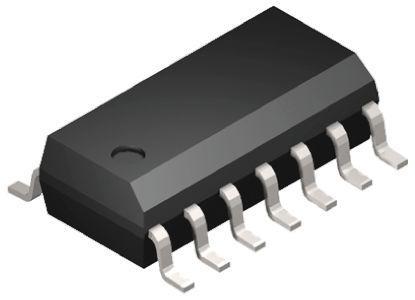
Electronic systems are becoming increasingly interconnected as industries adopt smarter technologies, advanced automation, and compact digital solutions. Modern circuits often contain a mixture of components that operate using different voltage levels, creating the need for efficient communication methods between devices. A processor, sensor, memory unit, or communication module may each require a different electrical environment to function correctly.
Logic level translators provide an effective way to overcome these challenges by allowing devices with different voltage requirements to exchange digital information safely. These components have become an important part of circuit design because they improve compatibility, simplify integration, and support reliable operation across a wide range of electronic applications.
What Is the Purpose of Logic Level Translators in Electronics?
Logic level translators are semiconductor devices that convert digital signals from one voltage level to another. Their primary purpose is to allow communication between electronic components that use different logic voltage standards.
As manufacturers continue developing smaller and more efficient chips, operating voltages have gradually changed. Many modern processors and microcontrollers use lower voltages, while several peripheral devices still depend on higher voltage levels. Direct connection between these devices can create communication issues or cause electrical stress.
Logic level translators solve this problem by creating a controlled connection between different voltage environments.
They are commonly used to:
- Connect low-voltage processors with higher-voltage modules
- Protect sensitive integrated circuits from unsuitable voltage levels
- Maintain accurate digital communication between devices
- Improve flexibility during electronic product development
Why Are Different Voltage Levels Used in Electronic Devices?
Different voltage levels exist because electronic manufacturers continuously improve device performance, efficiency, and power management. Lower voltages help reduce energy consumption and heat generation, which is especially important for portable and battery-powered products.
However, not all components are updated at the same pace. Engineers often need to combine modern low-voltage chips with existing components that use different voltage standards.
This creates situations where voltage conversion becomes necessary for:
- Legacy equipment upgrades
- Mixed-component circuit designs
- Prototype development
- Industrial system expansion
- Custom electronic solutions
Logic level translators allow designers to combine these technologies without replacing compatible hardware.
How Do Logic Level Translators Support Data Communication?
Digital electronics rely on signals represented by different voltage states. For communication to work correctly, the receiving device must recognise the incoming signal as a valid logical high or low state.
A logic level translator adjusts these signals so that both devices understand the transmitted information correctly.
Depending on the design, translators can provide:
- Voltage conversion between two digital systems
- Bidirectional communication for shared data lines
- Signal compatibility between different logic families
- Stable operation across multiple voltage domains
This makes them particularly useful in systems where several electronic components must communicate continuously.
Where Are Logic Level Translators Used?
The versatility of logic level translators allows them to be used across numerous technology sectors. Any application involving communication between devices with different voltage requirements can benefit from their capabilities.
Common application areas include:
- Embedded electronics development
- Industrial control and automation equipment
- Smart sensor networks
- Robotics and automated machines
- Communication interfaces
- Consumer electronic products
- Educational and research platforms
For engineers designing complex systems, these components provide a simple and reliable method for improving device compatibility.
What Types of Logic Level Translators Are Available?
Logic level translators are available in various designs to meet different performance requirements. The selection depends on factors such as communication speed, voltage range, and circuit complexity.
Popular types include:
- Automatic direction translators that detect signal flow without additional control
- Bidirectional translators for two-way communication systems
- Single-channel translators for simple connections
- Multi-channel translators for advanced circuit designs
- High-speed translators for applications requiring rapid data transfer
Each type is designed to support specific electronic requirements and operating conditions.
Key Benefits of Using Logic Level Translators
Integrating logic level translators into electronic designs provides several advantages. They help engineers create flexible systems while reducing compatibility limitations between components.
Major benefits include:
- Easier integration of devices from different manufacturers
- Improved protection for electronic components
- Reduced circuit redesign requirements
- Better communication reliability
- Support for modern and traditional technologies together
These advantages make logic level translators a valuable solution for both professional engineering projects and commercial electronic products.
Factors to Consider Before Choosing a Logic Level Translator
Selecting the correct translator is an important part of successful circuit development. Different applications require different performance characteristics, so engineers must carefully review technical specifications.
Important factors include:
- Voltage compatibility between connected devices
- Required signal speed and frequency
- Communication direction requirements
- Number of channels required
- Power efficiency needs
- Physical installation limitations
A suitable choice ensures smooth communication and prevents unexpected system failures.
How Logic Level Translators Support Future Electronic Innovation
The future of electronics depends on increased connectivity between devices. Technologies such as smart automation, connected sensors, and intelligent control systems require efficient communication between multiple electronic components.
As systems become more advanced, designers will continue combining devices with different voltage requirements. Logic level translators will remain an important technology because they provide a practical solution for maintaining compatibility in increasingly complex circuits.
They enable engineers to develop innovative products without being restricted by voltage differences between components.
Improve Electronic Designs with Reliable Logic Level Translators
Reliable communication is essential for modern electronic systems. A small voltage mismatch can affect the operation of an entire design, making signal conversion an important consideration during development.
Logic level translators provide a dependable way to connect different devices while maintaining signal quality and protecting valuable components. Their ability to support diverse applications makes them an essential part of modern digital electronics.
At Enrgtech, engineers and businesses can find a wide selection of electronic components suitable for professional applications. Using high-quality logic level translators helps create efficient, compatible, and reliable electronic systems prepared for future technology demands.

 English
 Arabic
 French
 Spanish
 Portuguese
 Deutsch
 Turkish
 Dutch
Dutch
 Italiano
 Russian
 Romaian
 Greek
Greek