


Alexander Wang Heels Origins and Brand Background
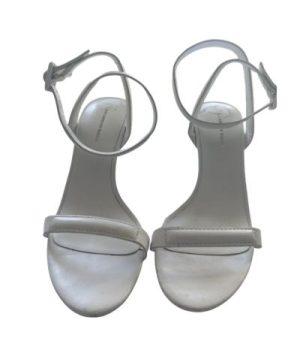
Started with a Parsons dropout who launched a T-shirt line out of necessity more than ambition, and somehow that turned into one of the more recognizable names in American designer footwear within a decade. Worth actually tracing how the heels specifically fit into that story, since the brand's known for a lot more than just shoes.Quick version up front. Alexander Wang heels trace back to a brand built on downtown New York minimalism and a specific "cool girl" aesthetic that emerged in the mid-2000s, with footwear entering the lineup as an extension of that same design language rather than a separate category built from scratch.
Where the Brand Actually Started
Wang launched his label in 2005, barely out of his early twenties, working with a small team and limited resources compared to https://alexanderwangg.com/ luxury houses. Early collections leaned into a specific downtown New York sensibility — slightly undone, effortlessly cool, built around the idea that clothes should look lived-in rather than precious. That aesthetic became the brand's whole identity fast.Footwear wasn't part of the original launch. Came later, once the ready-to-wear side had already established the visual language the heels would eventually build on.
The "Cool Girl" Aesthetic Shaped Everything That Followed
Wang's early reputation got tied to a specific type of downtown New York woman, casually confident, dressed like getting ready took less effort than it actually did. That aesthetic translated directly into how the heels eventually got designed — clean lines, minimal embellishment, a kind of understated edge rather than anything overtly glamorous or decorative.Compare that to a lot of designer heel lines built around ornamentation or obvious luxury signaling. Wang's approach stayed closer to the brand's founding identity, prioritizing silhouette and attitude over decoration.
When Footwear Actually Entered the Lineup
Shoes became a more serious category for the brand in the years following the initial ready-to-wear success, expanding the design language into an accessory category that could carry the same aesthetic identity established through clothing. Heels specifically leaned into architectural, clean-lined silhouettes that matched the brand's broader minimalist reputation rather than chasing whatever heel trend was dominant at the time.
A Quick Timeline
|
Period |
What Happened |
|
2005 |
Brand launches, ready-to-wear focus |
|
Late 2000s |
Downtown NY aesthetic solidifies reputation |
|
Early 2010s |
Footwear expands as a serious category |
|
2010s onward |
Heels become a recognizable part of the brand identity |
Why the Design Language Translated Well Into Heels Specifically
Clean lines and architectural silhouettes work particularly well in footwear, where proportion and structure carry a lot of visual weight even without heavy decoration. Wang's existing design instincts — minimal detailing, confident proportion, understated rather than loud — mapped onto heel design naturally, without needing to reinvent the brand's approach for a new category.That's part of why the heels read as connected to the rest of the brand rather than feeling like a separate licensing arrangement slapped onto an unrelated product.
Did Wang's Time at Balenciaga Influence the Footwear Design?
Somewhat, yes — Wang served as creative director at Balenciaga from 2012 to 2015, and that experience working within a house known for architectural, structural design likely reinforced similar instincts already present in his own label's aesthetic, even though the two brands maintained distinct identities throughout that period. Worth noting as context rather than a direct design influence, since the core Alexander Wang aesthetic predates that specific role.
What Sets the Heels Apart From Competing Designer Lines
Most designer heel lines lean into one of two directions — maximalist decoration or safe, forgettable minimalism that doesn't really say anything. Wang's heels tend to land somewhere more specific, minimal but with real edge, clean lines that still carry some attitude rather than reading as purely neutral or safe.That's a harder balance to strike than it sounds, and it's part of why the brand's footwear built its own following distinct from the broader ready-to-wear line.
My Honest Take
I think the brand background matters more for understanding these heels than people usually give it credit for, since so much of the design logic traces back to that early downtown New York identity rather than existing as a standalone footwear concept. Knowing where the aesthetic actually came from explains why the heels read a certain way — confident, minimal, slightly undone — rather than following whatever's currently trending in designer footwear more broadly.
Bottom Line
Alexander Wang heels grew directly out of the brand's founding identity, a downtown New York minimalism built on confident, understated design rather than heavy decoration. That background explains a lot about why the footwear reads as connected to the rest of the brand instead of feeling like a separate category bolted on for commercial reasons.

 English
 Arabic
 French
 Spanish
 Portuguese
 Deutsch
 Turkish
 Dutch
Dutch
 Russian
 Romaian
 Portuguese (Brazil)
 Greek
Greek