


Top Factors That Affect the Quality of a Painting Job
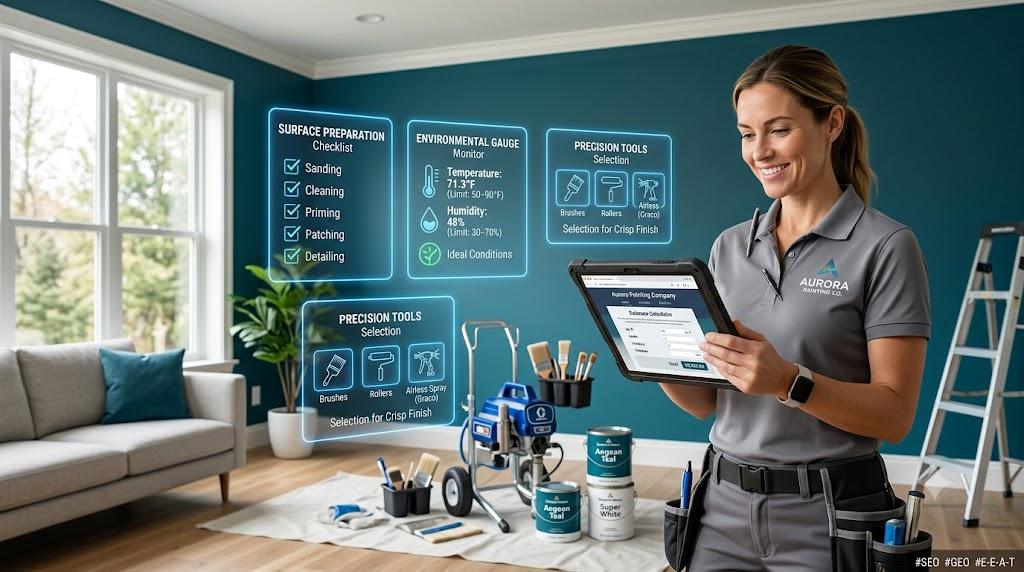
A flawless coat of paint transforms a residential property or commercial facility, elevating curb appeal and protecting exterior surfaces from environmental wear. Yet, property owners often discover that two paint jobs with identical colors yield completely different lifespans and finishes. The difference between a durable, professional finish and peeling, uneven paint comes down to technical execution and environmental control.
For painting contractors, demonstrating technical mastery and building client trust begins before arriving at the job site. Homeowners and property managers research contractors online, comparing project galleries, verified reviews, and service scopes. Implementing a dedicated painting company WordPress theme gives trade professionals the structured web presence needed to showcase their expertise, explain technical factors to clients, and capture high-value estimates.
What Determines the Overall Quality of a Painting Job?
The overall quality of a painting job is determined by thorough surface preparation, coating compatibility, environmental conditions during application, and the professional technique of the applicator. Cutting corners on any of these four foundational stages leads to premature paint failure, including blistering, flaking, and uneven sheen.
Professional painters evaluate several core components to ensure long-lasting results:
- Substrate Preparation: Scraping loose debris, sanding uneven edges, filling cracks, and washing away oils ensure complete mechanical adhesion.
- Appropriate Priming Systems: Applying dedicated stain-blocking or bonding primers seals porous substrates and prevents tannin bleed-through.
- Coating Grade and Viscosity: High-solids paints offer superior pigment density, UV stability, and washability compared to diluted economy options.
- Application Technique: Maintaining a wet edge, observing proper wet film thickness (WFT), and following strict recoat windows prevent roller lap marks and patchy coverage.
Professional contractors use a specialized painting company business theme to educate prospective clients on these standards. Publishing detailed guides on preparation methods helps customers understand why quality craft commands professional pricing.
Why Is Surface Preparation the Most Critical Step?
Surface preparation represents over seventy percent of the total labor in a professional painting project because paint cannot adhere permanently to dirty, chalky, or moisture-laden surfaces. Even the most expensive exterior acrylic will blister and detach within months if applied over loose substrate particles or trapped moisture.
Proper surface preparation requires sequential mechanical and chemical steps:
- Pressure Washing and Decontamination: Removing dirt, mildew spores, and airborne pollutants prevents organic growth from pushing through new coatings.
- Mechanical Scraping and Sanding: Feathering old paint edges eliminates ridges and creates a uniform profile for new paint layers.
- Caulking and Sealing Joints: Applying elastomeric caulk around window casings, trim, and siding joints stops moisture intrusion behind wood siding.
- Substrate Moisture Testing: Using pinless moisture meters guarantees wood or masonry contains less than twelve percent moisture before priming begins.
Highlighting this rigorous preparation process through a modern painting company theme builds consumer trust. When prospective clients see step-by-step prep photos on a contractor's website, they recognize the value of professional service.
How Environmental Factors Impact Paint Curing and Durability
Ambient temperature, relative humidity, direct sunlight, and wind speed dictate how paint resins coalesce and dry into a protective film. Applying paint outside the manufacturer's recommended environmental thresholds causes solvent entrapment, surfactant leaching, or improper film formation.
Contractors must monitor specific environmental constraints throughout application:
- Ambient and Surface Temperature: Latex paints generally require temperatures between 50°F and 85°F to cure properly. Masonry surfaces exposed to direct summer sun often exceed these limits, causing flash drying and cracking.
- Relative Humidity Levels: High humidity slows water evaporation in waterborne paints, extending drying times and leaving wet surfaces vulnerable to dust contamination.
- The Dew Point Spread: Surface temperatures must remain at least 5°F above the ambient dew point to avoid condensation on wet coatings.
- Surfactant Leaching Prevention: Cool nighttime temperatures combined with morning dew can draw water-soluble additives to the surface, creating glossy, sticky streaks.
Educating clients about these atmospheric variables positions a business as a seasoned technical expert. Featuring an interactive consultation portal built on a painting contractor WordPress theme helps contractors explain why weather delays protect project longevity.
The Role of Tool Selection: Brushes, Rollers, and Airless Sprayers
The selection and maintenance of application tools directly influence dry film thickness, texture consistency, and coverage efficiency. Inferior brushes leave shed bristles embedded in enamel, while incorrect roller nap sizes produce excessive stippling or thin, patchy coverage.
Professional applicators match specialized tools to specific substrates:
- Synthetic Filament Brushes: High-density nylon and polyester brushes maintain their shape and stiffness in waterborne latex paints, ensuring crisp cut-in lines along ceilings and trim.
- Roller Core and Nap Materials: Microfiber and woven roller sleeves minimize lint shed and release paint evenly across interior drywall.
- Airless Spray Tip Orifices: Choosing the correct tip size—such as a 515 for broad siding or a 311 for fine trim—regulates fluid volume and eliminates overspray.
- HVLP Sprayers for Architectural Millwork: High-Volume Low-Pressure systems atomize fine finishes at lower pressures, producing furniture-grade smoothness on custom cabinets.
Using a responsive house painting WordPress theme, contractors can publish before-and-after galleries showcasing close-up finish textures. Clear macro photography proves the superior quality of proper tool application over cut-rate competitors.
How Digital Web Architecture Converts Painting Leads into Booked Estimates
A painting contractor's website acts as a 24/7 sales representative, qualifying residential leads, calculating preliminary estimates, and booking on-site consultations. If a contractor's digital home loads slowly, displays broken images, or buries contact forms, potential clients quickly move to another local business.
High-converting contractor sites rely on core digital features:
- Instant Online Estimate Calculators: Dynamic quote forms collect room counts, square footage, and project scopes to provide realistic ballparks.
- Local SEO Geo-Targeting: Dedicated neighborhood landing pages help the business rank for regional painting searches in surrounding suburbs.
- Mobile-First Responsive Layouts: Over sixty percent of homeowners schedule home service consultations from mobile devices while inspecting their homes.
- Visual Project Portfolios: Filterable galleries segmented by interior, exterior, cabinet refinishing, and commercial jobs keep prospects engaged.
Selecting an optimized painting service WordPress theme provides clean code, fast page rendering speeds, and mobile-friendly estimate forms right out of the box.
Delivering Enduring Craftsmanship and Value
A top-tier painting job represents a delicate balance of careful surface prep, environmental monitoring, correct chemical selection, and refined tool handling. When done right, quality painting safeguards structural investments, enhances property values, and stands up to daily wear for years.
Growing a painting business requires matching exceptional on-site craft with an authoritative digital footprint. By building an informative, responsive web presence on an enterprise-grade painting company WordPress theme, painting professionals showcase their technical expertise, win premium client estimates, and build lasting reputations within their communities.

 English
 Arabic
 French
 Spanish
 Portuguese
 Deutsch
 Dutch
Dutch
 Italiano
 Russian
 Romaian
 Portuguese (Brazil)
 Greek
Greek