


Why Safety Matters During Ready-Mix Concrete Production and Delivery
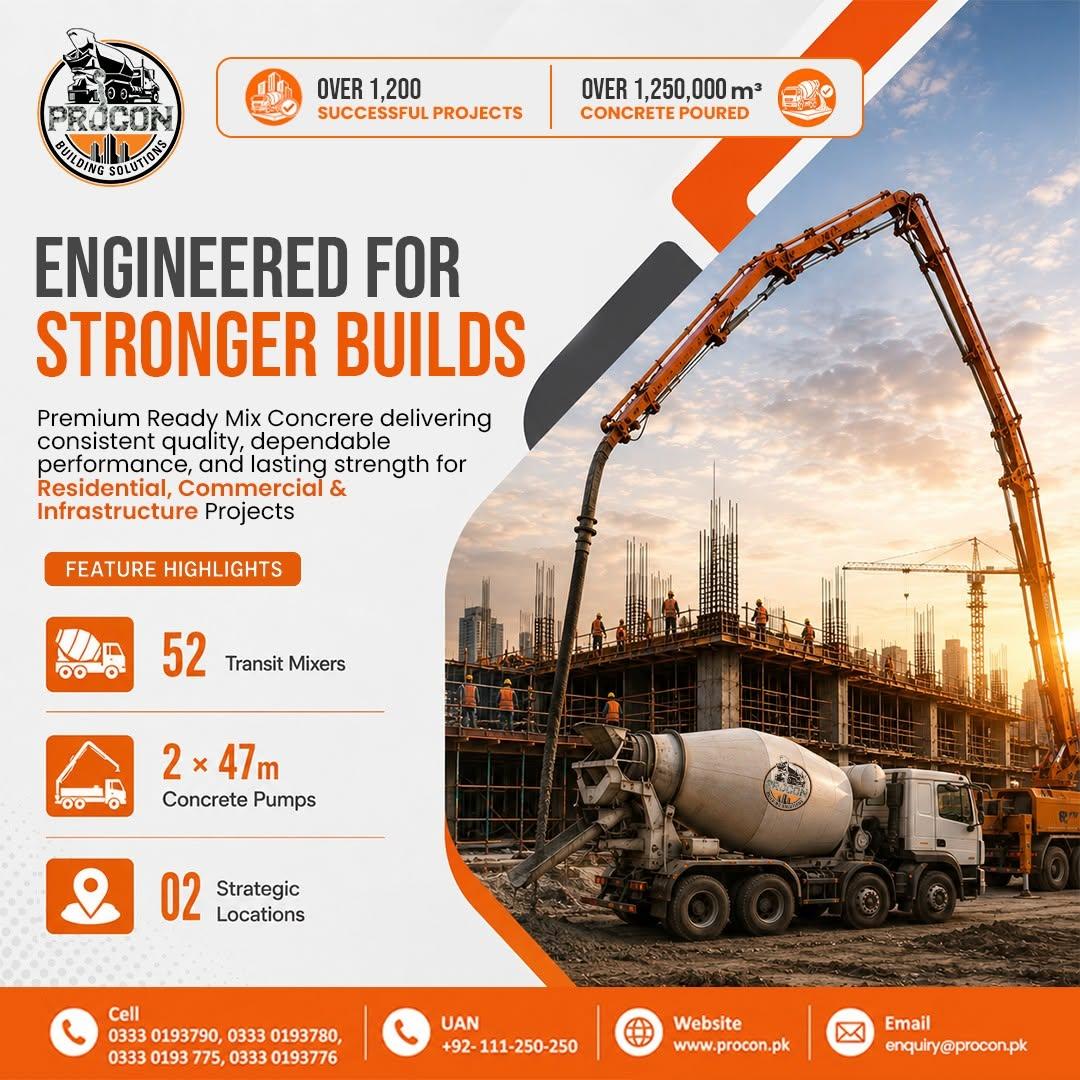
In the high-stakes world of modern construction, safety is the foundational pillar upon which every successful project is built. While much of the industry's safety focus is directed toward active job-site hazards like working at heights or operating heavy machinery, the safety protocols surrounding material manufacturing and transport are equally critical. Concrete is the heavy-duty backbone of residential towers, commercial complexes, and industrial infrastructure. However, producing and transporting thousands of pounds of wet, chemically active material introduces severe operational risks. From caustic cement dust exposure and heavy machinery hazards during batching to chaotic traffic navigation and high-pressure line blowouts during placement, overlooking safety can lead to devastating accidents, severe injuries, and costly project shutdowns. Prioritizing rigorous safety protocols across the entire supply chain is paramount. Sourcing certified materials and dependable operational support, including a specialized concrete pump Karachi, ensures that builders protect their workforces while maintaining high efficiency.
1. Mitigating Health and Chemical Hazards at the Batching Plant
The industrial production of concrete involves heavy raw materials and active chemical compounds that pose direct health risks to plant operators and delivery crews.
-
Controlling Airborne Cement Dust: Fine Portland cement dust contains crystalline silica, which can cause severe respiratory damage and skin irritation if inhaled or touched without proper personal protective equipment.
-
Managing Caustic Chemical Reactions: Wet concrete is highly alkaline and can cause severe chemical burns if prolonged contact with skin occurs; strict handling and washing protocols are vital.
-
Automated Safety Controls: Modern centralized batching facilities utilize enclosed material handling systems and automated dust-collection technologies to minimize worker exposure and maintain a safe, clean industrial environment.
2. Ensuring Strict Fleet Safety and Urban Transport Compliance
Transporting heavy, fluid concrete loads through congested metropolitan streets presents complex logistical and safety challenges for transit mixer drivers and the public.
-
Preventing Rollover Accidents: Because wet concrete is a shifting, dynamic load with a high center of gravity, transit mixer trucks require specialized handling and strict adherence to speed limits around tight urban corners.
-
Navigating Dense Traffic Corridors: Coordinated dispatching and experienced drivers ensure that heavy commercial vehicles navigate narrow streets safely without endangering pedestrians, cyclists, or passenger cars.
-
Fleet Maintenance and Inspection: Routine mechanical checks on braking systems, drum rotation motors, and hydraulic lines prevent dangerous road failures during transit.
3. Guaranteeing Job-Site Safety During High-Pressure Pumping
The final stage of delivery—discharging and pumping wet concrete into complex formwork—requires disciplined coordination between truck drivers, pump operators, and site crews.
-
Preventing Pipeline Blowouts: High-pressure pumping operations involve immense mechanical forces; utilizing certified, pressure-tested steel pipelines and secure coupling pins prevents catastrophic line ruptures.
-
Establishing Secure Exclusion Zones: Safe placement protocols dictate clear communication barriers around active placement booms and swinging lines to protect laborers from falling debris or equipment failure.
-
Ergonomic and Mechanical Efficiency: Utilizing heavy-duty machinery eliminates the severe physical strain associated with manual wheelbarrow transport, dramatically reducing lifting injuries on the job site.
4. Comprehensive Training and Quality Assurance
True safety is deeply rooted in continuous education and strict operational discipline. Reputable suppliers invest heavily in regular safety training for plant operators, logistics teams, and field technicians, ensuring that every individual understands emergency shutdown procedures, equipment maintenance standards, and regulatory compliance guidelines.
Conclusion
Safety during the production, transport, and placement of ready-mix concrete is not merely a regulatory checkbox; it is an ethical and operational imperative that safeguards human lives, protects valuable equipment, and ensures project continuity. By enforcing strict health protocols at the batching plant, maintaining rigorous fleet standards on public roads, and implementing disciplined placement practices, the construction sector can eliminate preventable accidents. Partnering with an established and safety-conscious provider equipped with professional logistics and a dependable concrete pump Karachi gives developers and contractors the absolute operational confidence needed to execute successful builds safely from start to finish.
Survey No. 423, Ibrahim Hydri, behind Bol head quarter, Korangi creek road, Karachi-74900
+92 21 111 250 250

 English
 Arabic
 French
 Spanish
 Portuguese
 Deutsch
 Turkish
 Dutch
 Italiano
 Russian
 Romaian
 Greek