


How to Build a Custom Meal Plan for Weight Loss That Lasts
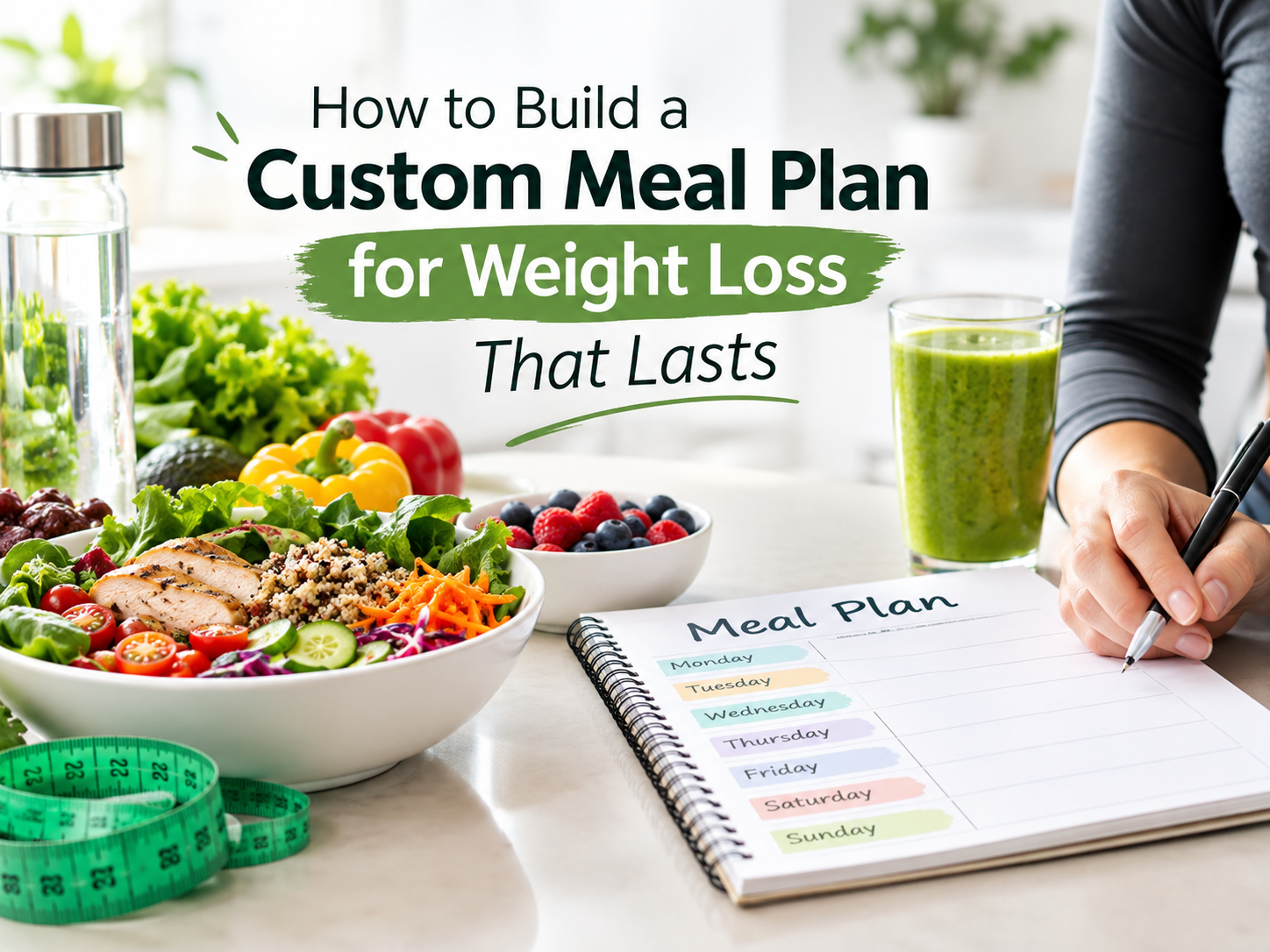
Losing weight can become difficult when meals are based on guesswork, restrictive diets, or routines that do not fit your lifestyle. A practical eating plan should help you manage portions, choose nutritious foods, and stay consistent without making every meal feel like a sacrifice. This is where a custom meal plan for weight loss can make everyday eating easier and more organized.
Rather than following the same menu as everyone else, a personalized plan can take into account your goals, food preferences, schedule, activity level, and nutritional needs. The goal is not simply to eat less. It is to create a balanced routine that you can realistically follow over time.
What Is a Custom Weight Loss Meal Plan?
A customized weight loss meal plan is an eating schedule designed around an individual's specific requirements. It can include meals, snacks, portion guidance, calorie targets, and suitable food choices based on personal goals.
For example, someone who works long hours may need quick breakfasts and prepared lunches, while someone who exercises regularly may require more protein and carbohydrates around workouts.
A personalized approach can also consider:
- Daily calorie requirements
- Protein and fiber intake
- Food preferences and dislikes
- Meal timing
- Exercise routine
- Lifestyle and work schedule
- Dietary restrictions
- Weight management goals
This flexibility can make healthy eating more practical than following a generic diet chart.
Why Generic Diet Plans Often Become Difficult to Follow
Many people start a diet with enthusiasm but eventually return to old eating habits. One reason is that the plan may not match their daily routine.
A meal plan that requires cooking complicated recipes every day may not work for someone with a busy schedule. Similarly, removing favorite foods completely can make a diet difficult to maintain.
A personalized approach focuses on creating realistic habits. Instead of asking you to completely change your lifestyle, it can help organize your existing routine around more nutritious choices.
This can make consistency easier, which is an important part of long-term weight management.
Start With Your Actual Calorie Needs
Weight loss generally requires consuming fewer calories than your body uses over time. However, the appropriate calorie intake differs from person to person.
Factors such as age, body size, activity level, daily movement, and individual circumstances can affect energy requirements. Because of this, copying another person's calorie target may not be appropriate.
A better approach is to establish a reasonable calorie range and then build meals around nutrient-dense foods.
The aim should be a manageable calorie deficit rather than extreme restriction. Very aggressive dieting can be difficult to sustain and may leave you feeling tired, hungry, or frustrated.
Make Protein Part of Your Meals
Protein is an important part of a balanced weight management diet. Foods such as eggs, chicken, fish, Greek yogurt, cottage cheese, beans, lentils, tofu, and other protein-rich foods can be incorporated into meals according to individual preferences.
Including protein regularly can also make meals more satisfying.
For example, instead of having a breakfast consisting mainly of refined carbohydrates, you could combine eggs or Greek yogurt with fruit and whole grains. At lunch, grilled chicken or lentils can be paired with vegetables and a suitable carbohydrate source.
The objective is balance rather than relying on one particular food.
Choose High-Fiber Foods for Better Satiety
Fiber-rich foods can add volume and nutritional value to meals. Vegetables, fruits, legumes, whole grains, seeds, and other plant foods can all contribute to daily fiber intake.
A simple plate structure can help:
- Fill a substantial portion with vegetables
- Add a source of lean protein
- Include an appropriate serving of whole grains or other carbohydrates
- Add a moderate amount of healthy fat
This structure can help create satisfying meals without relying heavily on highly processed foods.
Do You Need a Fat Burner to Lose Weight?
The phrase fat burner is commonly used for supplements marketed to support metabolism or fat loss. However, a supplement should not replace a balanced diet, appropriate calorie intake, physical activity, and healthy lifestyle habits.
Many products marketed for rapid fat loss make strong claims, so consumers should carefully review ingredients, evidence, and potential risks before using them.
For most people, the foundation of a weight management strategy remains consistent nutrition, regular movement, sufficient sleep, and sustainable habits.
A well-planned diet can therefore be much more useful than depending on a product promising quick results.
Plan Meals Around Your Lifestyle
A meal plan works better when it fits your actual day.
If you leave home early, prepare breakfast in advance. If lunchtime is busy, choose meals that can be packed and eaten conveniently. If evenings are when you tend to snack, plan a satisfying dinner and a sensible snack option.
Meal preparation can also reduce last-minute food decisions. Preparing ingredients in advance, portioning meals, and keeping nutritious snacks available can make it easier to stay on track.
The best plan is not necessarily the most complicated one. It is the one you can follow consistently.
Don't Ignore Healthy Fats and Carbohydrates
Weight loss diets sometimes unnecessarily eliminate entire food groups. In reality, carbohydrates and fats can both be part of a balanced eating pattern.
Whole grains, potatoes, oats, rice, and fruits can provide carbohydrates, while foods such as avocado, nuts, seeds, and olive oil can provide healthy fats.
Portion size and overall dietary balance matter more than labeling individual foods as completely good or bad.
Including a variety of foods can also make meals more enjoyable and nutritionally diverse.
Monitor Progress Beyond the Scale
Body weight is only one way to monitor progress. Other useful indicators may include energy levels, meal consistency, physical performance, waist measurements, and how comfortably your clothes fit.
Weight can also fluctuate naturally because of water retention, sodium intake, digestion, and other factors. Looking at longer-term trends can provide a more useful picture than focusing on daily changes.
If progress has stalled for several weeks, the meal plan may need adjustment. Portions, activity levels, meal composition, or adherence can all be reviewed.
Build a Plan You Can Maintain
The biggest advantage of personalization is flexibility. Your eating plan can change as your schedule, preferences, activity, and goals change.
A sustainable approach may include foods you enjoy, occasional treats, convenient meals, and enough variety to prevent boredom. Healthy eating does not have to mean eating the same foods every day.
A custom meal plan for weight loss should ultimately help you develop better eating habits rather than create a short-term restriction. By focusing on appropriate portions, protein, fiber, nutritious foods, hydration, and consistency, you can create a routine that supports gradual and sustainable progress.
For people who find it difficult to organize meals around work, exercise, and personal preferences, professional meal planning can provide a more structured starting point. The key is to choose an approach that is realistic, nutritionally balanced, and suitable for your individual needs.

 English
 Arabic
 French
 Spanish
 Portuguese
 Deutsch
 Turkish
 Dutch
Dutch
 Italiano
 Romaian
 Portuguese (Brazil)
 Greek
Greek