


Wholesale vs Retail Cleaning Supplies: What Perth Businesses Should Know
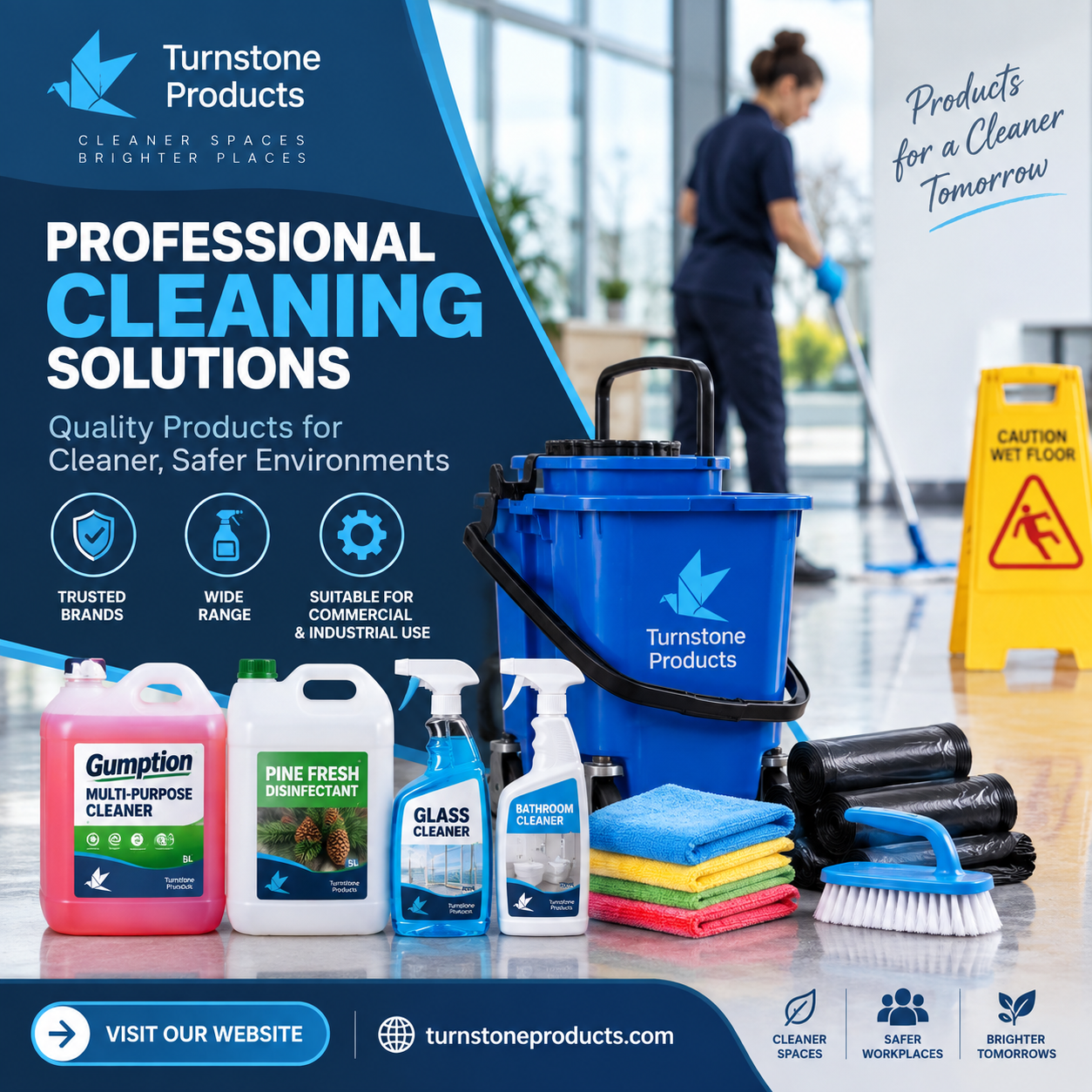
Cleaning products are a routine operating expense for almost every workplace. Offices need washroom consumables, hospitality businesses require kitchen and surface-cleaning products, while warehouses and industrial facilities may use larger volumes of chemicals, bin liners, gloves and cleaning equipment.
One decision businesses often face is whether to buy these products from a retail store or work with a wholesale supplier. Both options can be useful, but they serve different purchasing needs. Businesses comparing wholesale cleaning supplies perth should consider order volume, product usage, storage space, delivery requirements and long-term costs before deciding which approach suits them best.
Understanding the difference can make cleaning procurement simpler and more cost-effective.
What Is Retail Cleaning Supply?
Retail cleaning products are generally sold in smaller quantities and are designed for convenient individual purchases.
You might buy one bottle of floor cleaner, a single packet of cloths or a small pack of bin liners when they are needed.
Retail purchasing can be suitable for:
-
Very small workplaces
-
Occasional cleaning requirements
-
Emergency purchases
-
Businesses with limited storage
-
One-off or specialised cleaning jobs
The advantage is flexibility. Businesses do not have to commit to larger quantities, and products can often be purchased immediately.
However, regularly buying individual products can become time-consuming for workplaces that consume cleaning supplies every day.
What Are Wholesale Cleaning Supplies?
Wholesale purchasing generally involves buying commercial products in cartons, larger packs or recurring quantities.
Rather than purchasing one roll of bin liners at a time, for example, a business may purchase several rolls in a carton. Cleaning chemicals may also be available in larger containers or concentrated formats.
Wholesale purchasing is often better suited to workplaces with consistent consumption.
Examples include:
-
Offices with multiple employees
-
Restaurants and cafes
-
Hotels
-
Childcare facilities
-
Medical practices
-
Warehouses
-
Cleaning contractors
-
Manufacturing facilities
-
Property management businesses
The main advantage is that businesses can maintain a more predictable supply of everyday consumables.
Compare the Real Cost, Not Just the Price Tag
Businesses often assume wholesale products are automatically cheaper. While buying larger quantities can reduce the unit cost, the real calculation should consider how the product is actually used.
For example, compare two cleaning chemicals.
One may cost less per container but require considerably more product for each cleaning task. Another may be concentrated and create significantly more usable solution when diluted correctly.
The higher-priced container could ultimately provide better value.
When comparing wholesale and retail products, look at:
-
Price per unit
-
Quantity per carton
-
Dilution ratio
-
Expected usage
-
Product durability
-
Replacement frequency
-
Delivery costs
-
Storage requirements
Cost per use provides a much more meaningful comparison than shelf price alone.
Wholesale Purchasing Can Reduce Ordering Frequency
One of the main advantages of buying commercial supplies in larger quantities is fewer orders.
A busy workplace may regularly consume toilet paper, paper towels, hand soap, gloves and bin liners.
Buying these individually can mean frequent shopping trips or repeated online orders.
Maintaining reasonable stock levels can reduce interruptions and save administrative time.
For example, instead of ordering bin liners every week, a business might purchase enough for several weeks and reorder when stock reaches a predetermined minimum level.
This creates a more organised purchasing routine.
Retail Purchasing Can Still Be Useful
Wholesale supply is not automatically the best option for every product.
Some products may only be used occasionally. Purchasing a large quantity could result in unnecessary stock sitting in storage.
Retail buying can make more sense when:
-
Usage is low
-
Storage space is limited
-
You are testing a new product
-
You need a product for a one-off task
-
Demand is unpredictable
A sensible procurement system can actually combine both approaches.
Buy high-consumption products in commercial quantities while purchasing occasional or specialised items only when required.
Consider Storage Before Buying in Bulk
Larger orders require space.
Cartons of toilet rolls, hand towels, bin liners and cleaning chemicals can quickly occupy a storeroom.
Before moving from retail to wholesale purchasing, calculate how much stock your business can realistically store.
Ask:
-
How much space is available?
-
How quickly will the product be used?
-
Does the product require special storage?
-
Can older stock be used before new stock?
-
Is the storage area secure?
Cleaning chemicals should always be stored according to manufacturer instructions.
Businesses should also avoid buying excessive quantities purely because the unit price appears lower.
Commercial Workplaces Often Need Commercial Products
Another important difference between retail and wholesale purchasing is product format.
Products designed for household use may not always be practical for busy workplaces.
Businesses purchasing commercial cleaning supplies perth may require larger pack sizes, commercial-grade accessories, concentrated chemicals and products designed for repeated daily use.
Consider a restaurant that cleans kitchen surfaces several times every day. A small household bottle may need replacing constantly.
Similarly, a large workplace with busy bathrooms will use significantly more hand towels and toilet paper than a household.
Choosing products according to actual workplace consumption reduces unnecessary purchasing.
Industrial Facilities Have Different Requirements
Industrial environments can place even greater demands on cleaning products.
Warehouses, workshops and manufacturing sites may deal with grease, oil, dust, heavy waste and large floor areas.
These environments may require:
-
Heavy-duty degreasers
-
Industrial floor cleaners
-
Strong bin liners
-
Commercial mops and brushes
-
Disposable gloves
-
Absorbent products
-
Large-volume cleaning chemicals
-
Washroom consumables
When choosing industrial cleaning supplies perth, businesses should match products to specific cleaning tasks and surfaces rather than simply purchasing the strongest option available.
Employees should always follow product labels, dilution instructions and relevant workplace safety procedures.
Wholesale Supply Can Improve Product Consistency
Buying from different retail stores can sometimes mean using different brands or product formats depending on what happens to be available.
For businesses, this can complicate cleaning procedures.
Employees may need to learn different dilution instructions, paper products may not fit existing dispensers, or substitute bin liners may not fit correctly.
Using a regular commercial supplier can help businesses standardise frequently used products.
Standardisation can make it easier to:
-
Train cleaning staff
-
Monitor consumption
-
Maintain compatible dispensers
-
Track purchasing costs
-
Control stock
-
Simplify reordering
Consistency becomes increasingly valuable as an organisation grows.
Supplier Reliability Matters
Wholesale purchasing is not only about price.
Businesses should evaluate whether a supplier can reliably support ongoing requirements.
Useful factors to consider include:
-
Product availability
-
Range of commercial supplies
-
Delivery reliability
-
Pack-size options
-
Product information
-
Customer support
-
Ability to handle regular orders
A dependable supplier can help reduce emergency purchasing and make stock planning easier.
For Perth businesses, Turnstone Products provides access to commercial cleaning and hygiene products across categories such as cleaning chemicals, bin liners, gloves, paper products and dispensers.
Consolidating several recurring product categories through one supplier can also reduce the amount of time spent managing multiple purchasing accounts.
How to Decide Between Wholesale and Retail
Start by reviewing your last few months of cleaning purchases.
Identify products you purchase repeatedly and calculate approximate monthly consumption.
High-use items may be suitable for wholesale purchasing, while products used infrequently can remain retail purchases.
A simple approach is:
-
List all regularly purchased cleaning products.
-
Record average monthly usage.
-
Identify products frequently running out.
-
Compare retail and commercial pack sizes.
-
Calculate cost per unit or usable quantity.
-
Check available storage space.
-
Set minimum reorder levels.
-
Review purchasing patterns every few months.
This creates a procurement system based on real usage rather than assumptions.
Final Thoughts
The choice between wholesale and retail cleaning supplies depends on how your business operates.
Retail purchasing provides flexibility for low-volume or occasional requirements, while wholesale purchasing can be more practical for frequently used products and larger workplaces.
For many Perth businesses, the most effective approach is a combination of both. Buy commonly used consumables in sensible commercial quantities while keeping occasional products on an as-needed basis.
The goal is not simply to purchase more products at once. It is to create a cleaning supply system that reduces unnecessary orders, keeps essential stock available and provides good value over time.
By understanding consumption, storage capacity and workplace requirements, businesses can make better purchasing decisions and maintain a more organised approach to everyday cleaning.

 English
 Arabic
 French
 Spanish
 Portuguese
 Deutsch
 Turkish
 Dutch
Dutch
 Italiano
 Russian
 Portuguese (Brazil)
 Greek
Greek