


A Landowner's Guide to Land Clearing Services in Wise County, TX
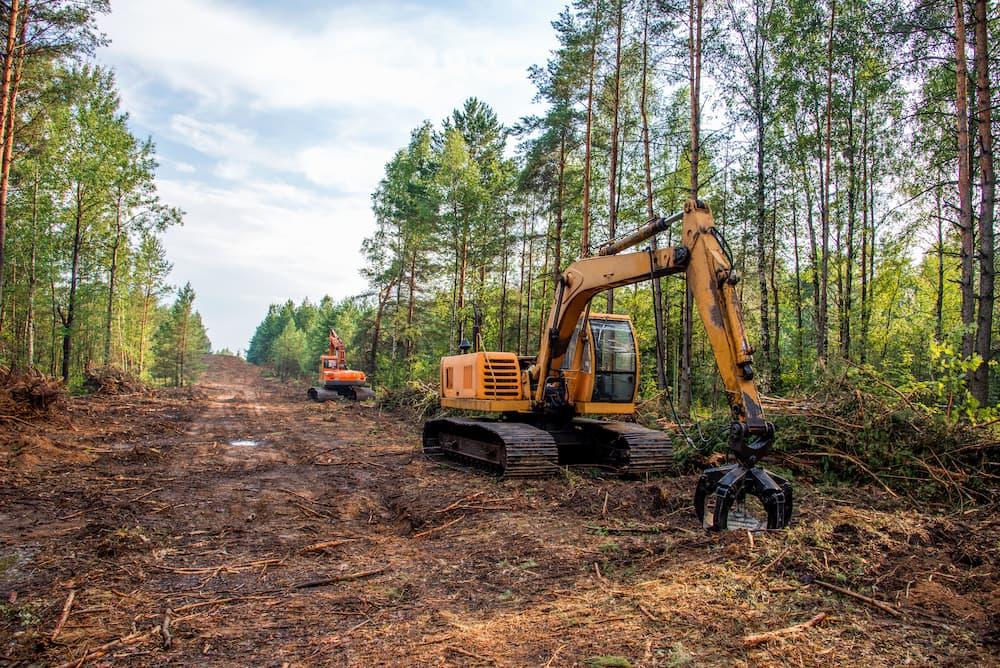
Owning undeveloped land in Wise County, Texas, can provide many opportunities for building, farming, recreation, or future investment. However, overgrown vegetation, unwanted trees, brush, stumps, and accumulated debris can make a property difficult to use. Professional land clearing services wise county tx help landowners prepare their property safely and efficiently for its next purpose. The process involves more than simply cutting down vegetation, as proper planning is needed to protect useful features and manage the cleared materials. Understanding how professional clearing works can help landowners make informed decisions before work begins.
What Land Clearing Actually Involves
Land clearing is the process of removing unwanted vegetation, trees, brush, stumps, rocks, debris, and other obstacles from a property. The exact scope depends on the property's size, terrain, vegetation density, and intended use. Some projects require selective clearing, while others involve preparing an entire parcel for construction or development. Experienced contractors evaluate these conditions before selecting appropriate equipment and methods. This initial assessment helps ensure that the work supports the landowner's goals instead of removing features that could remain useful.
For example, a property intended for a new home may only require clearing around the building area, driveway, and utility routes. A larger development project may require extensive vegetation removal across a substantial portion of the site. Agricultural properties can have different requirements, particularly when land needs to be opened for grazing, planting, or improved access. Contractors consider these intended uses when developing a clearing plan. Having a clear objective before work begins can prevent unnecessary clearing and help control project costs.
Why Property Assessment Matters
A professional site assessment is one of the most important steps in the land clearing process. Contractors examine trees, brush, slopes, drainage patterns, soil conditions, access points, existing structures, and other site characteristics. They also need to consider obstacles that could make machinery difficult to operate safely. This information helps determine what equipment will be needed and how the work should be organized. A thorough assessment can also identify potential complications before they become expensive problems during the project.
Landowners should communicate their plans clearly during the assessment. If certain mature trees should remain, those areas should be identified before machinery enters the property. The same applies to natural drainage features, fences, access roads, or other elements that need protection. Clear communication allows the contractor to create a more precise work plan. It also gives the property owner an opportunity to understand what will be removed and what condition the site should be in after completion.
Equipment Used for Professional Clearing
Modern land clearing often requires specialized machinery rather than basic landscaping equipment. Depending on the property, contractors may use excavators, skid steers, loaders, forestry mulchers, stump grinders, brush cutters, and other heavy equipment. Each machine has a particular purpose, and the correct combination depends on vegetation, terrain, soil, and project requirements. Skilled operators understand how to use these machines while maintaining control around structures and sensitive areas. Proper equipment can make large-scale clearing considerably faster and more consistent.
Equipment selection is especially important on properties with uneven terrain or dense vegetation. Heavy machinery must be positioned carefully to avoid unnecessary soil disturbance and damage to areas that are intended to remain intact. Experienced operators can adjust their methods according to changing ground conditions and site limitations. They also understand that simply having large equipment does not guarantee quality results. Operator experience, planning, and attention to detail are equally important when preparing land for future use.
Tree, Brush, and Stump Removal
Trees and brush are often the most visible obstacles on an undeveloped property. Depending on the project, contractors may remove individual trees, clear dense wooded sections, or selectively preserve desirable vegetation. Brush can sometimes be mulched directly on the property, reducing the amount of material that needs to be hauled away. Larger trees may require specialized cutting and handling procedures. The safest method depends on tree size, location, surrounding structures, and the terrain.
Stumps can present another challenge after trees have been removed. Leaving substantial stumps in areas planned for construction, driveways, or other improvements may interfere with future work. Contractors can use grinding or excavation methods depending on the landowner's objectives. Complete stump removal may be appropriate when deeper ground preparation is required, while grinding can sometimes be sufficient for less demanding applications. Discussing the property's future use helps determine which approach makes the most practical sense.
Understanding Land Clearing DFW TX Projects
Land clearing projects can vary significantly across the wider North Texas region. Land clearing dfw tx projects may involve residential lots, commercial properties, ranches, agricultural acreage, or parcels being prepared for new development. Each type of property has different challenges related to vegetation, access, drainage, and future construction requirements. Contractors familiar with regional conditions can account for these factors when developing a work plan. Local experience can be particularly valuable when properties contain dense growth, uneven terrain, or previously disturbed areas.
Landowners should also understand that clearing is not always the final stage of property preparation. After vegetation and debris have been removed, the site may require grading, excavation, drainage work, erosion control, or other improvements. These services can be planned as part of a broader development process. Completing the work in the right sequence can prevent unnecessary rework and improve the condition of the finished property. A contractor should explain which additional steps may be appropriate based on the intended use of the land.
Safety and Responsible Land Management
Safety should remain a priority throughout every land clearing project. Properties can contain hidden hazards such as unstable trees, buried materials, old structures, uneven ground, or utility lines. Heavy machinery also creates risks if operators do not maintain appropriate working distances and control equipment carefully. Professional crews evaluate potential hazards before beginning work and establish safer operating procedures. This preparation helps protect workers, property owners, neighboring properties, and the surrounding environment.
Responsible land management also means avoiding unnecessary clearing. Trees and vegetation can provide shade, privacy, wildlife habitat, and protection against erosion. When the project allows, retaining useful vegetation can improve the property's long-term appearance and function. Selective clearing may therefore be preferable to removing every tree and plant from a parcel. Discussing preservation goals with the contractor before work begins can help create a practical balance between development needs and responsible property management.
How to Choose a Land Clearing Contractor
Choosing a land clearing contractor should involve more than selecting the lowest estimate. Landowners should evaluate the company's experience, equipment, safety practices, communication, and understanding of similar projects. A contractor should be able to explain the proposed work clearly and provide a detailed scope before operations begin. It is also helpful to ask how debris will be processed and whether additional site preparation may be required. Clear expectations make it easier to compare estimates and understand what is included in the project.
Landowners should also ask about project access, estimated completion time, equipment requirements, and the expected condition of the property after clearing. These details can have a significant impact on the overall experience and final cost. A professional contractor should be willing to answer questions rather than leaving important details unclear. Good communication throughout the project can help address changing site conditions and keep the work aligned with the property's intended purpose.
Preparing Your Wise County Property for the Future
Professional land clearing can transform an overgrown or difficult-to-access parcel into a more functional and manageable property. Whether the goal is building a home, expanding agricultural use, creating better access, or preparing land for development, careful clearing provides an important starting point. The most successful projects combine thoughtful planning, appropriate equipment, experienced operators, and responsible site management. Landowners who understand the process can make better decisions about what should be removed and what should remain.
Before scheduling work, take time to define the property's future purpose and identify important features that need protection. Discuss those goals with an experienced contractor and request a clear explanation of the proposed clearing process. With proper preparation, professional land clearing services wise county tx can help create a safer, cleaner, and more usable property. A well-planned clearing project does more than remove obstacles; it establishes a strong foundation for whatever comes next.

 English
 Arabic
 French
 Portuguese
 Deutsch
 Turkish
 Dutch
Dutch
 Italiano
 Russian
 Romaian
 Portuguese (Brazil)
 Greek
Greek