


Can Fleet Technology Help UAE Businesses Manage Mobile Catering Fleets?
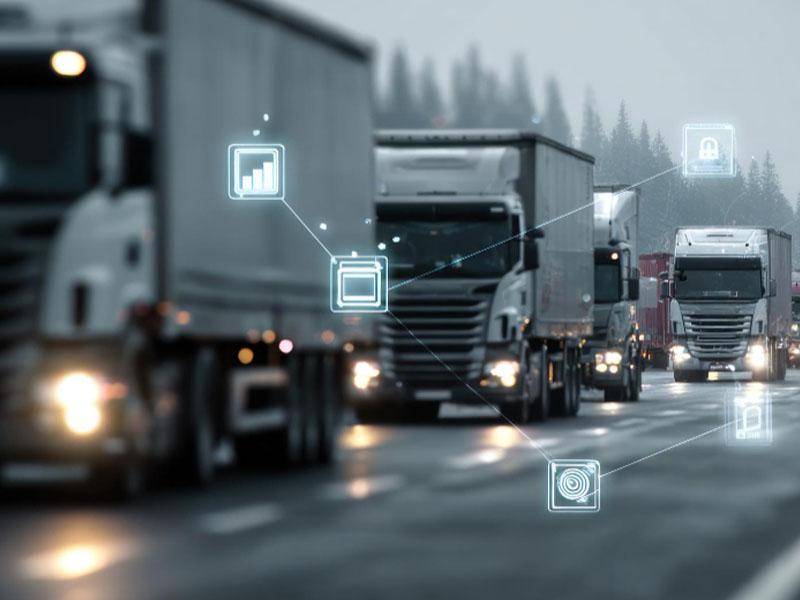
Catering businesses in the UAE rarely operate from one location. Food, staff, equipment, serving supplies, and temporary kitchens may need to move between hotels, offices, exhibition venues, weddings, private events, and corporate functions throughout the day. When several vehicles are involved, a small transportation delay can quickly affect food preparation and event schedules. GPS Tracking Software can help catering companies gain better visibility into their vehicles and coordinate mobile operations more effectively.
For catering businesses working across Dubai, Abu Dhabi, Sharjah, Ajman, and Fujairah, transportation is closely connected to the quality of the service. Food may need to arrive within a specific window, staff may need to reach a venue before guests, and equipment must be delivered before setup begins.
Why Is Catering Fleet Management So Challenging?
Catering logistics can become complicated very quickly.
A single event may require a food delivery van, equipment vehicle, staff transport, refrigerated vehicle, and support car. Each one may have a different destination or arrival time.
The schedule can also change without much notice.
A venue may change its access time. An event may start later. A customer may request an additional delivery. A kitchen may finish preparation earlier or later than planned.
Managers need to coordinate all of these moving parts while keeping drivers informed.
When the only way to understand vehicle status is by calling drivers, the operations team can lose valuable time simply asking where everyone is.
Can a Fleet Management System Improve Catering Operations?
A modern Fleet Management System can provide catering managers with a centralized view of their connected vehicles.
This can make it easier to understand:
- Which vehicles have left the kitchen
- Which vehicles are heading to an event
- Which vehicles have reached the venue
- Which vehicles are still available
- Which vehicles are returning
- Whether a vehicle has stopped unexpectedly
This visibility can become especially useful when several events are happening on the same day.
For example, if one catering van is delayed on the way to a corporate event in Dubai, the manager can identify the problem earlier and communicate with the venue team or consider another available resource.
How Can Fleet Management Software Help Coordinate Multiple Events?
Fleet Management Software can support the transportation side of catering operations as event schedules change.
A catering business may have:
- Wedding catering
- Corporate events
- Hotel functions
- Exhibition catering
- Private parties
- Outdoor events
- Food delivery contracts
- Staff transportation
Each assignment can involve different vehicle and staffing requirements.
If two events require similar equipment at nearly the same time, management needs to know which vehicles are already committed.
Better fleet visibility can help the team make allocation decisions based on actual vehicle activity rather than relying only on planned schedules.
Can a GPS Tracker for Car Help Monitor Catering Supervisors?
Catering operations often rely on supervisors who travel between venues.
A supervisor may visit several event locations in one day to check setup, inspect equipment, coordinate staff, and handle customer requests.
A gps tracker for car can provide greater visibility into that vehicle's movements.
This can help management understand whether a supervisor has reached an event area, whether they have moved to another venue, or whether they are returning to the kitchen.
The goal is not to replace direct communication. It is to provide another source of operational information when managers are coordinating several locations at once.
Can a GPS Tracker for Vehicle Improve Catering Equipment Security?
Catering businesses can transport valuable equipment between storage locations and event venues.
These may include cooking equipment, serving equipment, display units, refrigeration equipment, tables, and other event materials.
A GPS Tracker for Vehicle can give businesses additional visibility over vehicles carrying those assets.
Geofencing can be used around kitchens, warehouses, event venues, and other operational locations.
If a vehicle leaves an expected area, the business can review the situation and, depending on configuration, receive an alert.
Tracking does not replace inventory controls, physical security, or access procedures. It simply adds another operational layer.
Can Better Fleet Visibility Help Prevent Event Delays?
Timing is critical in catering.
Food may need to be served at a specific time. Staff may need to arrive before guests. Tables, serving equipment, and other materials may have to be ready before setup begins.
A delay in one vehicle can create a chain reaction.
Suppose the food vehicle is on time but the equipment truck is delayed. The event team may still be unable to complete setup.
Fleet visibility can help managers identify such delays earlier.
This gives the business more opportunity to communicate with the venue and adjust its plans.
The system does not guarantee punctuality, but it can reduce the uncertainty around where the fleet is and what is happening during the journey.
Can Fleet Technology Help Manage Refrigerated Catering Vehicles?
Food quality can depend on proper transportation conditions.
Some catering businesses transport temperature-sensitive ingredients or prepared food that needs suitable handling.
GPS location data alone does not measure food temperature.
Businesses that need temperature monitoring may require compatible sensors and hardware that can send environmental data to the fleet platform.
When suitable sensors are used, managers can potentially consider vehicle location and relevant temperature information together.
This creates a more complete picture of the transportation process.
Companies should still follow their food-safety procedures and applicable requirements for temperature-controlled transportation.
How Does Driver Behavior Affect Catering Operations?
Catering drivers often work under tight schedules.
That can create pressure to drive more aggressively than necessary.
Harsh acceleration, sudden braking, excessive idling, and unnecessary route deviations can affect safety, fuel use, and vehicle wear.
Fleet managers can review available driving information to identify recurring patterns and use them for constructive coaching.
The objective should be to encourage safe and consistent driving.
A driver reaching the venue safely and predictably is more valuable to the business than a driver taking unnecessary risks to gain a few minutes.
Why Is Preventive Maintenance Important for Catering Vehicles?
A catering vehicle that breaks down can disrupt an entire event.
Food may need to be transferred to another vehicle. Staff may have to change plans. Equipment may arrive late. A replacement vehicle may need to be arranged at short notice.
Preventive maintenance can help businesses reduce the chance of avoidable breakdowns.
Managers can organize servicing and inspections around vehicle usage and keep track of maintenance requirements.
This is particularly important for vehicles that operate frequently during weekends, holidays, and busy event seasons.
A vehicle that is unavailable when the business needs it can affect both operations and customer satisfaction.
Can a Car Tracker Help Catering Companies Improve Vehicle Utilization?
A Car Tracker can help businesses understand how individual vehicles are being used.
One vehicle may be assigned to frequent local catering deliveries while another handles larger event movements.
Historical activity can help management identify whether vehicles are distributed appropriately.
For example, if certain vehicles remain unused during weekdays but the company continues considering fleet expansion, management can first examine whether those assets could be repositioned or assigned differently.
Better utilization can sometimes provide additional operational capacity without purchasing more vehicles.
Can Vehicle Tracking Software Improve Event Logistics?
Event catering often involves several pickup and delivery points.
A vehicle may collect food from a central kitchen, stop at a warehouse to collect equipment, and then travel to the event venue.
Vehicle tracking software can help managers understand how those journeys are progressing.
If a vehicle is delayed after the first stop, the event team can be informed earlier.
Historical trip information can also help businesses review completed events and identify recurring transportation problems.
Perhaps certain venues consistently take longer to access. Maybe loading times at one kitchen are longer than expected.
This information can improve planning for future events.
Can Fleet Data Help Catering Companies Plan Event Routes?
Route planning for catering is slightly different from ordinary delivery.
The company may need to prioritize timing rather than simply distance.
For example, food may have to arrive at a venue during a narrow setup window. An equipment vehicle may need to arrive before the food. Staff may need to be there before both.
Fleet data can help managers understand previous travel patterns and identify routes that regularly create delays.
The objective is to build practical schedules that consider traffic, venue access, loading requirements, and event deadlines.
Can Geofencing Help Monitor Catering Venues?
Catering companies often visit the same hotels, offices, conference centers, and event venues repeatedly.
Geofencing can create virtual boundaries around these locations.
When a vehicle enters or leaves a defined area, the event can be recorded and, depending on configuration, alerts can be generated.
This can help managers understand when vehicles reach venues without requiring a manual message from every driver.
For businesses handling many simultaneous events, these automated location events can make routine monitoring easier.
Can Fleet Technology Help Manage Last-Minute Event Changes?
Events can change quickly.
A client may extend an event. A venue may move a delivery entrance. Additional food may be requested. Equipment may need to be collected earlier than planned.
When these situations occur, managers need to know where vehicles are and which ones are still available.
Connected fleet visibility can help the operations team assess its current resources.
For example, a support vehicle that has completed its previous assignment may be available to handle an additional delivery.
This kind of flexibility is difficult to achieve when managers do not know the current state of the fleet.
Can Fleet Data Help Reduce Empty Journeys?
Catering vehicles often make return trips after completing an event.
Sometimes an empty return is unavoidable.
But in some cases, another nearby customer or venue may require equipment collection or another small delivery.
Fleet visibility can help managers understand where vehicles are and where they are heading.
When operationally practical, a return journey may be combined with another assignment.
The decision should still account for vehicle capacity, driver working time, food-safety requirements, and event schedules.
The aim is smarter utilization, not simply adding more stops.
Can Better Fleet Visibility Improve Customer Communication?
A catering customer may call asking whether the delivery has left the kitchen.
Without fleet visibility, the customer-service team may have to call the driver to find out.
With better operational information, staff can provide a more informed update.
For example, they may be able to confirm that the vehicle is already travelling toward the venue or identify that a delay has occurred.
This does not eliminate unexpected problems, but it can make the business more transparent and responsive.
For event customers, that communication can be valuable because timing often matters as much as the food itself.
Can Fleet Data Support Better Catering Capacity Planning?
Historical vehicle activity can help businesses understand how their fleet performs during different types of events.
Management can examine:
- Vehicle utilization
- Travel patterns
- Event locations
- Loading delays
- Return journeys
- Maintenance requirements
- Peak-period demand
These insights can support future planning.
A company may discover that corporate events generate different transportation requirements from weddings. Large outdoor events may require more equipment vehicles, while smaller private functions may rely on cars and vans.
Understanding those patterns can help management prepare the right resources for future bookings.
Can Fleet Technology Help Catering Businesses Manage Multiple Branches?
A growing catering company may operate several kitchens or preparation facilities.
Vehicles may move food and equipment between branches before heading to an event.
A centralized fleet platform can help management maintain visibility across those locations.
This can support decisions around vehicle availability, inter-branch transfers, maintenance, and event assignments.
For a business expanding across Dubai, Abu Dhabi, and other emirates, having a consistent fleet-management process can become increasingly useful.
Can Fleet Technology Help Control Catering Fleet Costs?
Fleet costs can quickly affect catering margins.
Common costs include:
- Fuel
- Maintenance
- Driver time
- Vehicle downtime
- Unnecessary mileage
- Empty journeys
- Underused vehicles
The challenge is knowing which costs are unavoidable and which are caused by inefficient operations.
Fleet data can help managers investigate those differences.
For example, excessive mileage might be caused by poor event scheduling. Long idle periods might be linked to venue access delays. Frequent repairs might be concentrated in heavily used vehicles.
Understanding the cause makes it easier to decide what needs to change.
Can White-Label GPS Technology Create Opportunities for Catering Technology Providers?
The need for better mobile-operations management also creates opportunities for technology companies.
Food-delivery platforms, hospitality software providers, IT businesses, logistics companies, and telematics providers can build their own branded fleet solution using White Label GPS Tracking Software.
A provider could offer a branded tracking platform to catering companies that need vehicle visibility, route monitoring, maintenance management, driver oversight, and event logistics support.
This can allow a technology company to expand its service portfolio without developing an entire GPS platform independently.
For businesses already working with hospitality or food-service customers, connected fleet technology can become a natural addition to their offering.
What Should UAE Catering Businesses Look for in Fleet Technology?
Catering operations have specific requirements, so businesses should choose a platform around their real workflow.
Important considerations include:
- Real-time vehicle visibility
- Historical trip information
- Geofencing
- Driver behavior monitoring
- Alerts
- Maintenance management
- Mobile access
- Reporting
- Hardware compatibility
- Multi-event support
- Scalability
Businesses transporting temperature-sensitive food should also determine whether the platform can work with appropriate sensors and compatible devices.
The technology should make event logistics easier to manage, not create additional complexity.
How Can Flotilla IoT Support Catering Fleets?
Flotilla IoT provides connected fleet technology designed to help businesses improve vehicle visibility and operational control.
Catering businesses can use fleet technology to monitor delivery and support vehicles, coordinate event transportation, manage driver activity, plan preventive maintenance, monitor routes, and improve vehicle utilization.
For technology companies serving hospitality and food-service businesses, the white-label model can also provide a foundation for launching a branded GPS and fleet-management service.
The broader goal is simple: give managers a clearer picture of what is happening on the road so they can coordinate the event operation with fewer surprises.
Ready to Improve Your Catering Fleet Operations?
A successful catering event depends on hundreds of details coming together at the right time. Transportation is one of those details, and even a small delay can affect food delivery, setup, staff coordination, and the customer experience.
Better fleet visibility can help businesses understand where vehicles are, respond to delays earlier, use assets more efficiently, and manage maintenance before breakdowns become disruptive.
Book a personalized Flotilla IoT demo and discover how connected fleet technology can help your UAE catering business improve event transportation, vehicle utilization, driver coordination, maintenance, and operational control.

 English
 Arabic
 French
 Spanish
 Portuguese
 Turkish
 Dutch
Dutch
 Italiano
 Russian
 Romaian
 Portuguese (Brazil)
 Greek
Greek