


Bay Area Galvanizing Guide: What to Expect from Pacific Galvanizing
For anyone new to working with a galvanizing facility, understanding what to expect from start to finish can make the entire process feel far less intimidating and far more manageable. From the initial inquiry to final delivery, each step involves specific considerations that affect both overall timeline and coating quality in ways that are worth understanding before a project even begins. Contractors who understand this workflow in advance tend to build more accurate schedules and avoid the frustration of unexpected delays partway through a job. This guide walks through what a typical project looks like when working with an experienced regional provider from the very first phone call onward.
Starting the Conversation
The process usually begins with a straightforward conversation about the project itself: part dimensions, quantity, intended application, and any specific coating standards required by an engineer or building code. This upfront discussion helps determine whether the facility can genuinely accommodate the project's size and timeline, and it gives customers a real chance to ask questions about pricing, realistic lead times, and any special handling their parts might need during preparation or coating before committing to anything. Being upfront about these details at the start tends to prevent misunderstandings that would otherwise surface much later in the process. Even a short intake call at this stage can surface potential complications well before they become a costly problem once fabrication is already complete.
Preparing Steel for Delivery
Before shipping steel to a galvanizing facility, it is worth checking in with the provider about any preparation steps expected on the customer's end, such as removing existing coatings, tagging individual parts for identification, or adding vent holes to hollow sections ahead of time. Taking care of these details ahead of time helps avoid unnecessary delays once steel actually arrives, since facilities may otherwise need to pause and address these issues before processing can even begin in earnest. A short checklist shared by the facility ahead of time is often enough to avoid these kinds of preventable delays.
What Happens During Processing
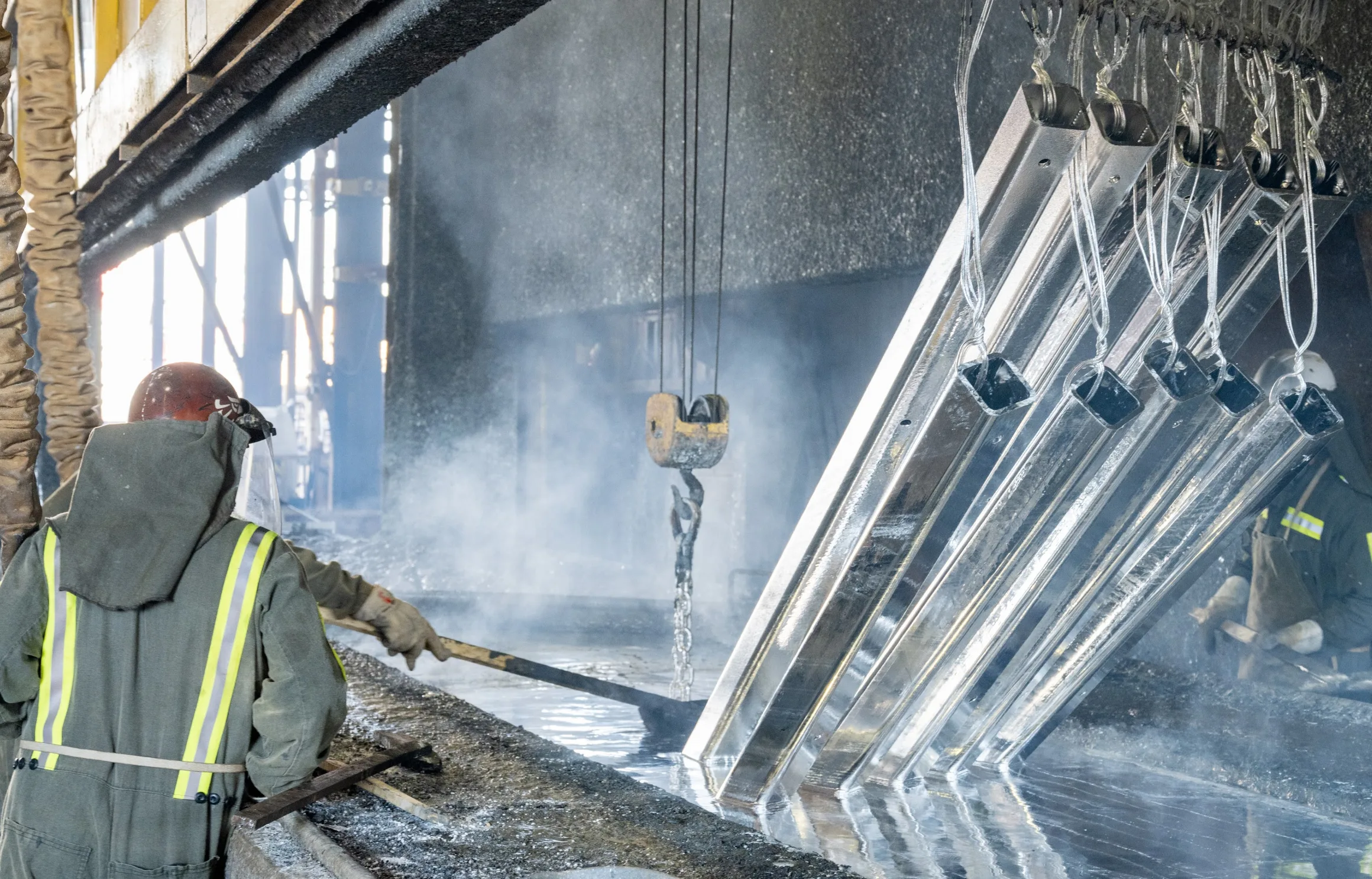
Once steel arrives at the facility, it goes through the standard, well-established sequence of degreasing, pickling, fluxing, and immersion in molten zinc. Depending on the facility's current workload and the overall size of a given order, this process can take anywhere from a single day to a week or more from start to finish. Providers who communicate realistic timelines upfront, rather than offering vague promises just to keep a customer happy, make it much easier for everyone to plan their own project schedules accordingly. Customers who build in a reasonable buffer around these estimates tend to have a much smoother overall experience than those who plan around the tightest possible timeline. It also helps to ask whether the facility processes rush orders differently, since that can affect where a project falls in the overall queue.
Reviewing the Finished Product
After coating is complete, steel is inspected for thickness, appearance, and adhesion before it is cleared for pickup or delivery back to the job site. Customers are always welcome to ask about the specific inspection results and coating specifications used on their order, since this documentation is often required for construction projects that need to demonstrate code compliance to inspectors or engineers overseeing the broader scope of work. Keeping this documentation organized from the very first project makes future inspections and audits considerably easier to manage. Many customers keep a simple digital file of these records for every batch, which pays off the first time a question comes up years later.
Planning Your Next Project
Knowing what to expect from the galvanizing process, from that initial conversation all the way through final inspection, helps set realistic expectations and genuinely avoid unwelcome surprises later on. For contractors and fabricators throughout the region planning their next project, understanding this full workflow makes it far easier to build galvanizing lead times into overall project schedules and work confidently with an experienced local provider they can trust. Over time, this familiarity with the process turns what once felt like an unfamiliar specialty service into a routine, predictable part of any construction project. Anyone planning their first order can review current Bay Area Galvanizing capabilities and turnaround expectations before steel ever ships.

 English
 Arabic
 French
 Spanish
 Portuguese
 Deutsch
 Turkish
 Italiano
 Russian
 Romaian
 Portuguese (Brazil)
 Greek
Greek