


Ways to Make Small Rooms Feel More Open and Bright
Small rooms can feel cosy and comfortable, but they can also appear dark, crowded, or closed in when the layout and décor are not carefully planned. The good news is that you do not need to knock down walls or completely renovate your home to create a more open feeling. Simple choices involving colour, lighting, furniture, windows, and flooring can make a noticeable difference.
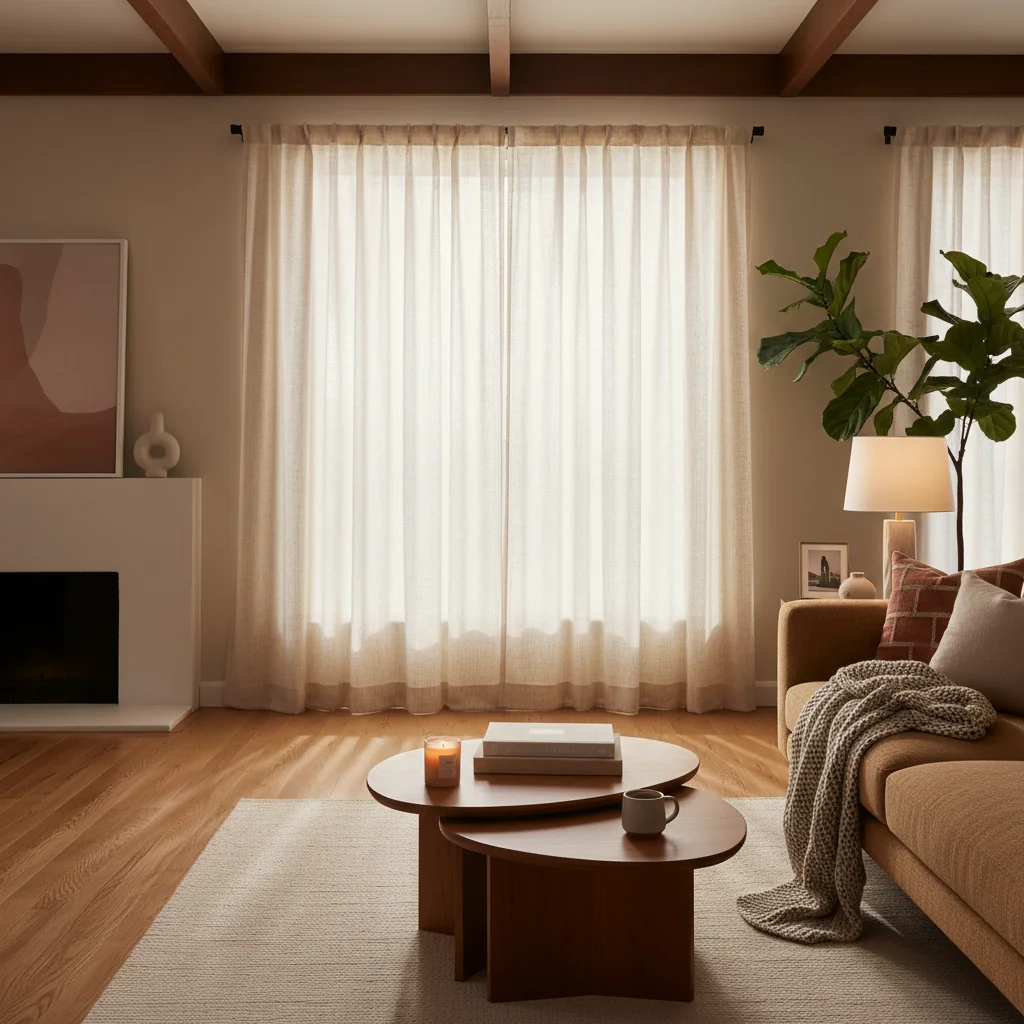
One of the easiest ways to make a compact room feel brighter is to make better use of its windows. Sheer Window Curtains allow natural daylight to enter while adding softness and privacy to the space. Unlike heavy window treatments that can block a large amount of sunlight, lightweight curtains help create an airy appearance and can make a room feel more welcoming. Combined with the right furniture and colour scheme, they can help a small room look considerably more spacious.
1. Make the Most of Natural Light
Natural light is one of the most effective tools for making a small room appear larger. Bright daylight naturally opens up a space and highlights its different features without making it feel enclosed.
Keep windows as clear as possible during the daytime. Avoid placing tall furniture directly in front of windows, as it can restrict both the light and the view. If privacy is a concern, use lightweight window treatments rather than thick curtains that completely cover the glass.
Mirrors can also be positioned opposite or near windows to reflect daylight around the room. Even a modest amount of additional reflected light can make darker corners feel less enclosed.
2. Choose Light and Soft Colours
Colour has a strong influence on how a room feels. Light shades generally reflect more light, helping the walls and ceiling appear brighter.
White, cream, soft beige, pale grey, and gentle pastel shades are popular choices for smaller rooms. These colours can create a clean and calm background without visually overwhelming the space.
You do not have to make everything white. Adding a few slightly darker or warmer accents through cushions, artwork, rugs, or furniture can provide character while maintaining an open atmosphere.
For a more seamless appearance, consider using similar tones across the walls, ceiling, and larger pieces of furniture. When there are fewer strong visual breaks, the room can appear more connected.
3. Use Mirrors Strategically
Mirrors are a simple decorating feature that can create the impression of additional space. They reflect light and can visually extend the room.
A large mirror placed opposite a window can reflect outdoor light and scenery. Alternatively, several smaller mirrors can be arranged together to create an interesting focal point.
The position matters more than the number of mirrors. Instead of covering every available wall, choose one location where the reflection adds genuine brightness or depth.
Mirrored furniture, glass surfaces, and other reflective materials can also contribute to this effect when used in moderation.
4. Pick Furniture That Fits the Room
Oversized furniture can quickly make a small room feel crowded. A large sofa, bulky cabinet, or oversized bed may take up valuable floor area and leave limited space for movement.
Choose furniture according to the actual dimensions of the room. Pieces with slim frames, raised legs, or open bases can allow more of the floor to remain visible, which can make the room feel lighter.
Multi-purpose furniture can be especially useful. For example, an ottoman with hidden storage or a bed with built-in drawers can reduce the need for additional cabinets.
Before buying new furniture, measure both the room and the available pathways. A piece may look suitable in a showroom but feel very different once placed in a compact space.
5. Keep the Floor as Visible as Possible
A visible floor can help create a stronger sense of openness. When too many items cover the floor, the room can appear smaller and more cluttered.
Choose furniture that does not completely block the floor underneath. Sofas and tables with visible legs can create a sense of space beneath them.
If you use a rug, choose an appropriate size and placement. A rug that is too small can visually divide the room into separate sections. A properly positioned rug can instead connect the furniture and create a more organised appearance.
Light or neutral flooring can also help reflect light, particularly when paired with similarly toned walls.
6. Declutter Regularly
Even a beautifully decorated small room can feel cramped when too many objects are on display. Clutter competes for attention and makes the available space appear smaller.
Start by removing items that are rarely used. Keep everyday essentials within easy reach, but store less frequently used belongings in drawers, cabinets, baskets, or other organised storage solutions.
Instead of filling every shelf with decorative objects, leave some empty space. These visual gaps give the room a cleaner appearance and allow individual features to stand out.
A useful approach is to think about whether each item has a practical or decorative purpose. If something serves neither purpose, it may not need to remain in the room.
7. Use Curtains That Do Not Overpower the Window
Window treatments can significantly influence the proportions of a small room. Heavy curtains with thick fabrics and dark colours may make the window appear smaller and reduce the amount of daylight entering the room.
Lightweight curtains can create a softer and brighter appearance. Hanging curtains slightly higher and wider than the actual window frame can also make the window look larger.
Choose colours that complement the walls rather than creating a strong contrast. Neutral fabrics can blend naturally with the room and maintain a clean visual flow.
For rooms where both privacy and daylight are important, layering lightweight curtains with another window covering can offer flexibility throughout the day.
8. Add Multiple Sources of Lighting
Natural daylight is valuable, but artificial lighting becomes equally important after sunset.
Instead of depending on one central ceiling light, use several smaller sources throughout the room. A floor lamp, table lamp, wall light, or strategically placed accent light can help illuminate darker areas.
Warm, comfortable lighting can make the room feel inviting, while brighter task lighting can be useful around desks, reading areas, or work surfaces.
Try to avoid creating strong areas of brightness next to very dark corners. A more balanced distribution of light can make the entire room feel more spacious.
9. Take Advantage of Vertical Space
When floor space is limited, look upward. Walls provide valuable storage and decorating opportunities without taking away much usable floor area.
Tall shelving units can provide storage while drawing the eye upward. Wall-mounted cabinets and floating shelves can also keep belongings organised without making the floor feel crowded.
Artwork can be positioned slightly higher to create a sense of vertical height. Similarly, curtains hung closer to the ceiling can visually lengthen the window area.
However, avoid filling every wall from floor to ceiling. A combination of useful storage and open wall space usually creates a more balanced result.
10. Choose Furniture With More Than One Purpose
Small rooms benefit from furniture that performs multiple functions. Instead of purchasing several individual pieces, look for designs that combine storage, seating, or workspace.
A storage bench can work as both seating and a place to keep belongings. A compact desk can double as a study and work area. A bed with drawers underneath can reduce the need for a separate storage unit.
This approach can free up valuable floor space and make everyday organisation easier.
11. Use Glass and Reflective Materials
Transparent and reflective surfaces can help maintain visual openness. Glass coffee tables, transparent furniture, glossy finishes, and mirrored details can allow light to travel through the room more easily.
For example, a glass table may provide the same practical function as a solid wooden table while creating less visual weight.
You do not need to use reflective materials everywhere. A few carefully selected pieces are enough to add brightness and depth without making the room feel overly polished or cold.
12. Keep Patterns Simple
Patterns can add personality, but too many competing designs can make a small room feel visually busy.
If you want to introduce patterns, choose one or two main designs and keep the rest of the room relatively simple. Small geometric details, subtle stripes, or understated textures can add interest without overwhelming the space.
Large, bold patterns can still work in a small room when used as a focal point, such as on one cushion, artwork, or accent chair. The key is to avoid having every surface compete for attention.
13. Create a Clear Walking Path
The way people move through a room affects how spacious it feels. Furniture placed directly in walking paths can make even a reasonably sized room feel restricted.
Arrange major furniture pieces so that there is a clear route between the entrance, seating area, windows, and other important parts of the room.
Avoid placing unnecessary tables, baskets, or decorative pieces in areas where people naturally walk. A clear pathway can immediately make the room feel more organised and comfortable.
14. Use a Consistent Design Style
A small room often benefits from a simple and consistent design approach. Mixing too many colours, materials, and furniture styles can create visual clutter.
Choose a basic colour palette and repeat a few materials or tones throughout the room. For example, soft neutral walls, light wood, simple textiles, and a few green plants can create a cohesive appearance.
Consistency does not mean the room has to be boring. Artwork, cushions, plants, and decorative accessories can still provide personality while fitting into the overall design.
15. Bring in a Few Plants
Plants can add life and freshness to a compact room, but the quantity and size should be considered carefully.
One tall plant in an empty corner can draw the eye upward without taking over the floor. Smaller plants can be placed on shelves or window ledges where they do not interfere with movement.
If natural light is limited, select plants that can tolerate the available conditions. Avoid filling every surface with greenery, as this can have the opposite effect and make the room feel crowded.
Small Changes Can Make a Big Difference
Making a small room feel more open and bright is mostly about improving the relationship between light, furniture, colour, and available space. You do not necessarily need expensive furniture or a major renovation to achieve a noticeable transformation.
Start with the basics: clear unnecessary clutter, maximise natural light, choose a lighter colour palette, and make sure furniture fits comfortably within the room. From there, add mirrors, suitable lighting, practical storage, and simple decorative elements.
Window treatments also deserve attention because they can either enhance or restrict the light entering a room. Lightweight options can help maintain brightness while giving the windows a finished appearance.
Final Thoughts
A small room does not have to feel dark or cramped. With thoughtful planning, even limited space can feel comfortable, bright, and visually open.
Focus on letting natural light travel through the room, keeping furniture proportional, reducing clutter, and using colours and materials that create visual continuity. Mirrors, layered lighting, smart storage, and carefully selected curtains can further improve the overall effect.
The goal is not simply to make a room look bigger. It is to make better use of the space you already have. When every element has a purpose and the room has enough breathing space, a compact interior can feel just as welcoming and stylish as a much larger one.

 English
 Arabic
 French
 Spanish
 Portuguese
 Deutsch
 Turkish
 Italiano
 Russian
 Romaian
 Portuguese (Brazil)
 Greek
Greek