


College Football 27 Delivers Thrilling Recruiting Showdowns by U4GM
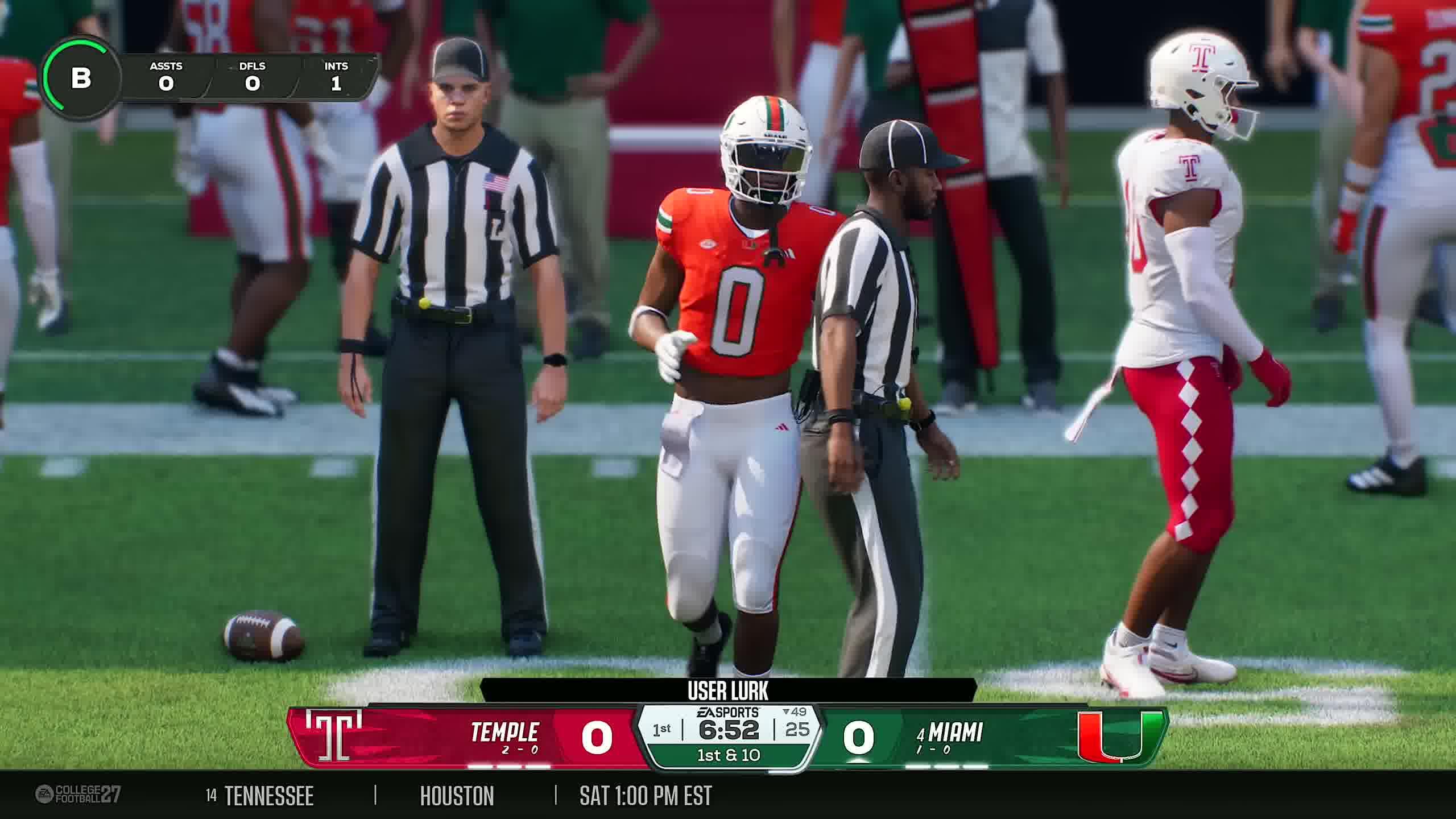
Football is often described as a physical sport, but some of its most important battles happen in the mind. A quarterback has to remain calm after an interception. A defense has to avoid panic after surrendering a big play. A coach has to recognize when aggression will help and when it will make an unstable situation worse.
College Football 27 Coins places that psychological battle directly into the gameplay.
The Composure and Chaos system is the clearest example. Instead of allowing player ratings to dictate performance regardless of circumstances, the game considers the emotional environment surrounding the athlete.
That is particularly appropriate for college football, where many players are still adjusting to the pressure of major competition. A freshman quarterback playing in front of a hostile crowd is not necessarily going to perform like an experienced veteran simply because his overall rating is high.
The stadium can become overwhelming.
Crowd noise affects communication, pre-snap adjustments become more difficult, and mistakes can damage confidence. If the quarterback throws an early interception, his composure may decline. That can lead to less accurate passes and smaller decision-making windows.
The important part is that the coach can respond.
A smart coach may temporarily simplify the offense. Instead of asking the quarterback to make difficult reads, the offense can rely on short throws, screens, and designed runs. A few successful plays can rebuild confidence.
This makes game management feel more sophisticated.
The coach is effectively asking two questions at once: What play gives us the best football matchup, and what play gives our players the best chance of executing under the current emotional conditions?
Those questions do not always produce the same answer.
A deep pass might be statistically attractive but psychologically dangerous if the quarterback is struggling. A running play might produce only four yards but stabilize the offense and quiet the crowd.
That distinction can change the entire flow of a game.
Momentum is also contagious. A defense that records a crucial sack can energize its entire team. A failed fourth-down conversion can create pressure on the offense. A special-teams mistake can suddenly make the next possession feel much more important.
The game therefore encourages players to recognize emotional turning points.
This becomes especially valuable in close games. A team that falls behind by ten points early does not necessarily need to panic. If its players regain composure and gradually control the game, the deficit can disappear.
The opposite can also happen. A team leading comfortably can lose control if it becomes overly aggressive and gives the opponent easy opportunities.
College Football 27 makes those swings possible without turning every match into random chaos. Ratings, tactics, and talent still matter. The psychological systems simply add another layer of uncertainty.
That philosophy carries into Dynasty Mode. Coaches are not only managing plays; they are managing people. Players have expectations, development paths, and reasons to remain with or leave a program.
The transfer portal and NIL environment make those relationships more important. A talented player may become unhappy if he does not receive enough playing time. Another may be attracted by the visibility and opportunities available at a larger program.
Keeping a locker room together therefore becomes part of coaching.
Depth also affects psychology. A team with reliable backups can approach injuries with greater confidence. A smaller program may know that losing one key starter could fundamentally change the season.
Wear and Tear reinforces those concerns by making physical management part of the broader strategy.
Players may also come across guides discussing cheap CFB 27 Coins, but no external resource can replace understanding the game's psychological systems. The most effective strategy comes from learning when your players are confident, when they are under pressure, and how the opponent is responding.
Presentation reinforces this approach. Commentary can react to major momentum swings and place individual plays within a broader season narrative.
The result is a football simulation where the player has to think beyond numbers.
College Football 27 asks whether you can stay calm when everything starts going wrong. It asks whether you know when to take a risk and when to protect your team from itself.
In a sport defined by pressure, that may be one of the most important skills of all.

 English
 Arabic
 French
 Spanish
 Portuguese
 Deutsch
 Turkish
 Dutch
Dutch
 Italiano
 Romaian
 Portuguese (Brazil)
 Greek
Greek