


Shipping Guides for Easy and Smarter Parcel Delivery
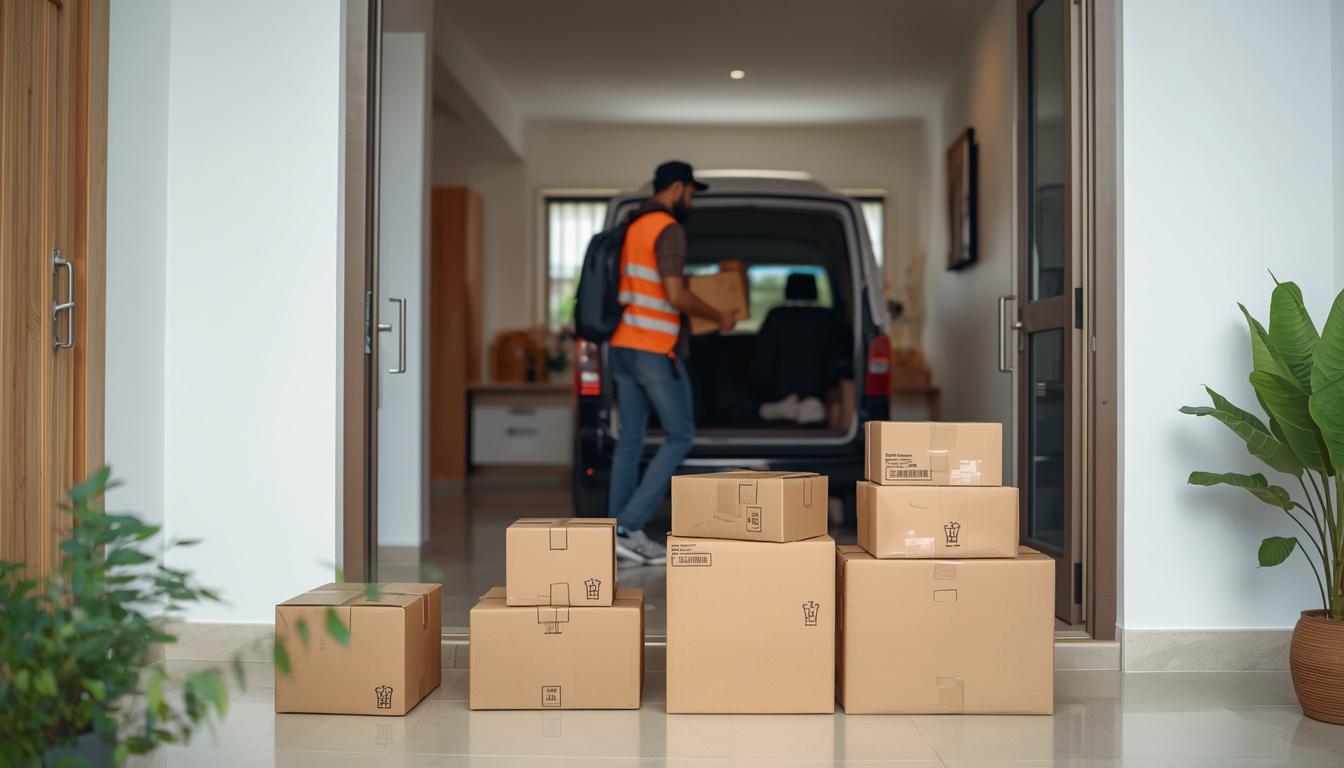
Sending a parcel can seem simple, but a smooth delivery requires more than putting an item inside a box and handing it to a courier. From choosing the right packaging and entering accurate address details to comparing courier options and monitoring delivery progress, every step matters. These Shipping Guides can help individuals and businesses understand the important stages of parcel delivery and make better decisions before, during, and after booking a shipment.
Why Shipping Guides Matter
Courier services are used for many different purposes. Individuals send gifts, documents, clothes, books, and personal belongings, while businesses send customer orders, samples, documents, inventory, and other commercial items.
Because every shipment can have different requirements, following a simple shipping process can reduce avoidable mistakes. A sender needs to think about the parcel type, destination, weight, packaging, delivery expectations, and available courier options.
Good Shipping Guides make these steps easier to understand. Instead of treating courier booking as a single action, senders can approach it as a complete process that begins with preparation and continues until the parcel reaches the recipient.
Start With the Item You Are Sending
The first step is to understand the item being shipped. Different products may require different packaging and handling.
Clothing can generally be folded and protected inside suitable packaging, while fragile products may need cushioning material around them. Important documents may require rigid protection to prevent bending or damage.
Before booking, consider whether the packaging is strong enough for transportation and handling. The package should be properly sealed and should not leave the contents exposed.
This simple preparation can create a stronger foundation for the rest of the shipping process.
Choose Suitable Packaging
Packaging should protect the contents without creating unnecessary bulk. A box that is significantly larger than the item may require more filling material and can make the package less convenient to handle.
At the same time, packaging should not be so tight that it puts pressure on the contents.
For businesses, developing standard packaging methods can make regular shipping easier. Sellers can maintain a few suitable packaging sizes for their common products and train their team to use them consistently.
Check Parcel Weight and Dimensions
Weight and dimensions can affect courier availability and shipping costs. This makes accurate measurement an important part of the booking process.
Before creating a shipment, weigh the completed parcel rather than estimating the weight of the item alone.
Similarly, measure the package after it has been fully packed. This provides more useful information when comparing available shipping options.
Accurate details also help businesses maintain better records of their shipping expenses.
Enter the Correct Pickup Details
The pickup address tells the courier where the parcel needs to be collected. It should include the correct location information, PIN code, contact person, and phone number where required.
For businesses, this could be an office, warehouse, shop, or home-based business location.
A correct pickup address helps avoid unnecessary communication between the sender and courier team.
Verify the Delivery Address
The delivery address is equally important. Before confirming a booking, carefully check the recipient's name, address, PIN code, and contact information.
For ecommerce sellers, address verification is especially important because multiple orders may be processed together.
A small error in the delivery details can create avoidable problems later. Spending a few minutes checking the information before booking can be much easier than correcting an incorrect address after dispatch.
Compare Courier Options
Not every shipment has the same priority. Some senders want to keep costs under control, while others may prioritize delivery speed or convenience.
Comparing courier options allows the sender to consider the available services before making a final decision.
ViaSetu's online process is designed to help users enter shipment information, compare available courier options, book a shipment, and continue with tracking.
This comparison-based approach can be useful when the sender wants to make a more informed shipping decision.
Consider the Destination
The destination can influence available courier services and delivery expectations. Before booking, check whether the destination PIN code is serviceable.
For regular business shipping, it can also be useful to understand the routes where most customers are located.
Knowing the common destinations can help businesses plan their courier strategy more effectively.
Online Booking Saves Time
Traditional courier booking can involve travelling to a courier office, waiting for service, and completing the booking process in person.
Online courier booking offers a more convenient alternative for many users. A sender can enter shipment details and review available options from a computer or mobile device.
For businesses, online booking can also make shipping easier to incorporate into the daily order fulfillment process.
Doorstep Pickup Adds Convenience
Once the booking is complete, doorstep pickup can make the next stage easier. Instead of carrying a package to a courier centre, the sender can arrange collection from an eligible location.
ViaSetu's doorstep pickup service is designed for pickup from locations such as homes, offices, warehouses, and shops, depending on service availability.
This can be especially useful for people sending heavier parcels or businesses managing several shipments.
Keep Your Tracking Number
After booking a shipment, save the AWB or tracking number. This reference can be used to check the shipment after it has entered the courier network.
For individuals, saving the number in a phone note or email can make future checking easier.
Businesses should ideally maintain tracking information alongside order details so that customer questions can be answered quickly.
Monitor the Shipment
Tracking is an important part of the overall delivery process. Once the parcel has been picked up, users may want to know whether it is moving through transit and when it reaches the destination area.
ViaSetu provides parcel tracking using an AWB or tracking ID, allowing users to access available shipment information through its tracking service.
Monitoring shipment progress can provide better visibility than simply waiting for a delivery notification.
Understand Common Tracking Updates
Tracking systems may display several shipment statuses. A pickup update generally indicates that the courier has collected the package.
An in-transit update indicates that the parcel is moving through the courier network. A destination update can indicate that it has reached a facility closer to the recipient.
An out-for-delivery status generally means that the parcel has entered the final delivery stage.
Understanding these basic terms makes it easier to interpret tracking information.
What Businesses Should Do Differently
Businesses often need a more structured approach because they may send multiple parcels every day.
A simple business shipping checklist can include packaging verification, weight measurement, address checking, courier comparison, booking, pickup confirmation, and tracking.
Businesses can also review their shipping expenses periodically to understand where they may be able to improve efficiency.
Common Shipping Mistakes to Avoid
Some shipping problems are caused by simple mistakes. Incorrect addresses, poorly sealed packages, inaccurate weight information, missing contact details, and unsuitable packaging can all affect the delivery experience.
A pre-shipment checklist can reduce these risks.
Before confirming a booking, review the parcel, recipient information, pickup details, weight, dimensions, and selected courier service.
Shipping Guides for First-Time Senders
First-time senders do not need to understand every logistics term before shipping a parcel. They simply need a clear process.
Start by preparing the parcel correctly. Check the pickup and delivery information. Measure the package accurately. Compare available courier options and complete the booking.
After pickup, keep the tracking number and monitor the shipment until delivery.
Following these basic steps can make the process much less confusing.
Make Shipping Part of a Routine
Frequent shipping becomes easier when the same process is followed consistently.
Individuals can maintain a simple personal checklist, while businesses can create standard operating procedures for their fulfillment team.
The goal is to make every shipment predictable without making the process unnecessarily complicated.
Start Your Next Shipment With Better Planning
A successful parcel delivery begins before the courier arrives. Good packaging, accurate information, suitable courier selection, convenient pickup, and tracking all contribute to a better shipping experience.
If you are planning a personal or business shipment, use ViaSetu to compare available courier options, book your parcel online, arrange doorstep pickup, and monitor your shipment through the delivery process.

 English
 Arabic
 French
 Spanish
 Portuguese
 Deutsch
 Turkish
 Dutch
Dutch
 Italiano
 Russian
 Romaian
 Greek
Greek