


Linear Heat Detection: Installation and Maintenance Best Practices
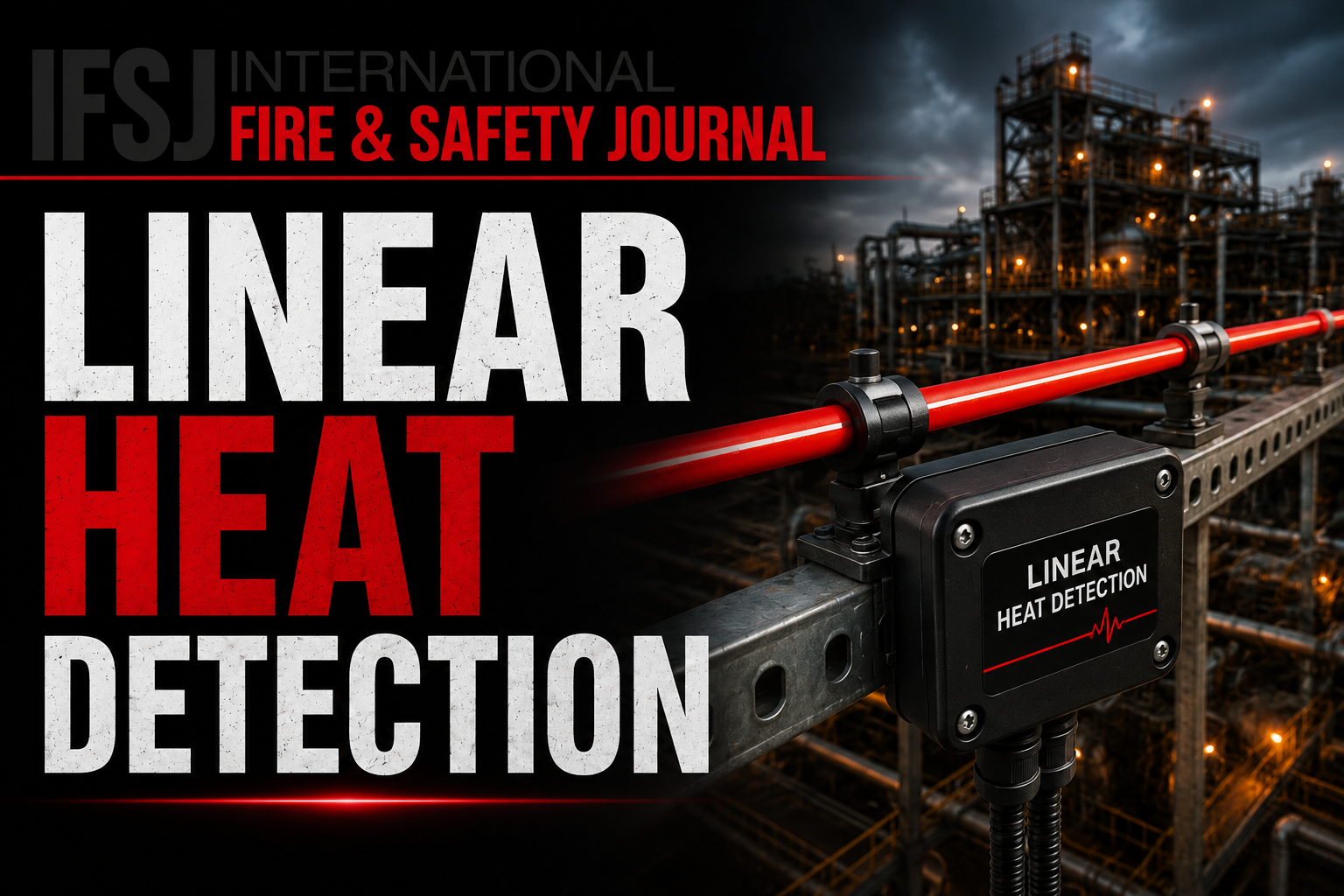
Industrial facilities often contain machinery, electrical equipment, conveyors, storage systems, and combustible materials that can create significant fire risks. Reliable heat detection is important because overheating can develop into a fire before flames or smoke become easily visible. This is especially relevant in long, enclosed, elevated, or difficult-to-access areas where conventional point detectors may not provide practical coverage. Proper installation and regular maintenance are therefore essential to ensure the detection system performs reliably when needed.
What Is Linear Heat Detection?
A linear heat detection system uses a sensing cable or similar sensing element to monitor temperature continuously along a defined route. When heat reaches a specified activation level, the system can transmit an alarm to a fire alarm control panel or other connected equipment.
Unlike point heat detectors, which monitor conditions at individual locations, this approach can protect an extended area with a sensing element installed along the potential fire-risk zone. Linear heat detection is commonly considered for conveyors, cable trays, tunnels, warehouses, industrial machinery, and other areas where installing numerous point detectors may be impractical.
Different technologies are available, including fixed-temperature, digital, analogue, and fibre-optic systems. Selection should take account of the environment, expected operating temperatures, required detection characteristics, and the design of the fire protection system.
Why Proper Installation Matters
Correct installation directly affects how effectively the system can identify abnormal heat. A sensing cable positioned too far from a potential heat source may respond later, while poor routing or inadequate protection can expose it to unnecessary damage.
Industrial environments can also change over time. Machinery may be relocated, production processes modified, or storage arrangements expanded. These changes can affect detection coverage. Installation should therefore consider both current fire hazards and the conditions under which the system will operate throughout its service life.
Following the system design, manufacturer instructions, and applicable fire safety requirements helps ensure appropriate positioning, spacing, connections, and protection.
Linear Heat Detection Installation Best Practices
A well-planned installation should account for the facility's fire risks, operating conditions, physical layout, and potential sources of cable damage. The following practices help establish reliable detection coverage.
Assess the Area and Identify Fire Risks
Before installation, identify equipment and locations where overheating or fire is most likely. Consider conveyors, motors, bearings, cable routes, storage areas, electrical equipment, and processes involving combustible materials when planning the sensing route.
Select the Appropriate Detection Technology
Choose a sensing technology based on the required activation temperature, environmental conditions, detection needs, and system design. Areas with significant temperature variation may require a different solution from stable indoor environments with predictable operating conditions.
Position the Sensing Cable Correctly
The cable should be positioned where it can effectively respond to heat from the protected hazard. Consider how heat will travel from machinery, cables, conveyors, or stored materials. Avoid locations where structures or equipment could shield the sensing element from developing heat.
Protect the Cable From Physical Damage
Industrial facilities can expose detection cables to vibration, abrasion, impact, moisture, chemicals, and moving equipment. Use suitable supports and protection to prevent damage while ensuring the sensing element remains appropriately positioned for heat detection.
Follow Correct Routing and Spacing
Cable routing should follow the approved design and manufacturer requirements. Avoid unnecessary bends, excessive tension, unsupported sections, and installation arrangements that could compromise the sensing element or create gaps in the intended detection coverage.
Common Installation Mistakes to Avoid
Installation problems can reduce detection reliability or result in unwanted alarms. Careful planning and commissioning can help prevent these issues before the system becomes operational.
-
Incorrect positioning: Installing the sensing element too far from the hazard can delay its response to abnormal heat.
-
Ignoring ambient temperature: Normal operating temperatures should be considered when determining appropriate activation settings.
-
Poor cable support: Unsupported or loosely installed cable can move, sag, or become vulnerable to mechanical damage.
-
Excessive tension: Pulling the sensing cable too tightly can damage the sensing element or affect its intended installation arrangement.
-
Inadequate physical protection: Cable routes exposed to vehicles, machinery, tools, or harsh conditions require appropriate protection.
-
Insufficient coverage: Changes to equipment or facility layouts can leave previously protected areas without adequate detection.
-
Skipping commissioning: The complete system should be checked after installation to confirm correct operation and alarm transmission.
Linear Heat Detection Maintenance Best Practices
Regular maintenance helps identify damage, faults, and changes that could affect detection performance. Inspections should reflect the facility's operating conditions and follow applicable requirements and manufacturer recommendations.
-
Inspect the sensing cable: Look for cuts, abrasion, crushing, corrosion, loose sections, or other visible damage.
-
Check mounting and supports: Ensure the cable remains securely positioned and has not moved because of vibration or maintenance activity.
-
Test alarm functions: Verify that the system can detect the required condition and transmit an alarm to the appropriate control equipment.
-
Inspect connections: Check terminals, interfaces, control panels, and associated equipment for faults or deterioration.
-
Investigate repeated alarms: Frequent unwanted alarms should be assessed to determine whether environmental conditions or system settings have changed.
-
Maintain records: Document inspections, tests, faults, repairs, replacements, and modifications for future reference.
Environmental Factors That Affect System Performance
The surrounding environment can influence both the condition of the sensing cable and the reliability of temperature detection. System selection and maintenance should reflect these conditions throughout the facility.
-
Temperature: Normal operating temperatures should remain appropriate for the selected detection system.
-
Dust: Heavy dust or contamination can affect equipment surrounding the sensing route and should be considered during inspections.
-
Moisture: Wet or humid locations may require suitable protection against water exposure.
-
Chemicals: Corrosive substances can deteriorate materials that are not designed for chemical exposure.
-
Vibration: Continuous machinery vibration can loosen supports or cause physical wear over time.
-
Mechanical impact: Forklifts, maintenance equipment, moving machinery, and tools can damage exposed sensing elements.
Testing and Inspection Requirements
Testing should confirm that the detection system, connections, alarms, and associated equipment continue to operate as intended. Frequency should be based on applicable requirements, manufacturer guidance, system design, and the facility's risk assessment.
-
Routine visual inspection: Check the sensing route for damage, movement, contamination, and changes in the surrounding environment.
-
Functional testing: Verify that detection signals reach the fire alarm or control system correctly.
-
Fault testing: Confirm that relevant faults are identified and displayed by the control equipment.
-
Post-repair testing: Test the system after cable repairs, replacement, or other maintenance work.
-
Coverage review: Reassess the system when machinery, production processes, storage arrangements, or building layouts change.
-
Documentation: Keep clear records of testing dates, findings, faults, corrective actions, and outstanding issues.
Repairing or Replacing Damaged Detection Cable
Damage to a sensing cable should be assessed promptly because even a small defect may affect the reliability of the protected route. The appropriate action depends on the cable type, extent of damage, system design, and manufacturer requirements.
-
Identify the damage: Inspect the affected section and determine whether the sensing element remains suitable for service.
-
Use compatible components: Replacement sections and connection equipment should be suitable for the installed detection system.
-
Maintain coverage: Repairs should preserve the intended sensing route and avoid creating unprotected sections.
-
Follow approved procedures: Repairs should be carried out according to the system manufacturer's instructions and applicable requirements.
-
Test after repair: Confirm alarm and fault functions before returning the system to normal operation.
-
Update maintenance records: Record the repair, replacement, testing, and any changes made to the installation.
Conclusion
Correct installation and regular maintenance are fundamental to reliable fire detection in demanding environments. Proper cable positioning, suitable environmental protection, appropriate system selection, and careful routing help maintain effective coverage.
Routine inspection and testing can identify damage or faults before they affect performance, while accurate maintenance records support ongoing fire safety management. Fire and Safety Journal Americas highlights the importance of maintaining detection systems as facility conditions and industrial risks evolve.
FAQs
How should linear heat detection cable be installed?
It should be installed along identified fire-risk areas where the sensing element can effectively respond to heat. Routing, spacing, support, protection, and connections should follow the approved design and manufacturer requirements.
How often should linear heat detection systems be tested?
Testing frequency depends on applicable fire safety requirements, manufacturer guidance, system design, and the facility's risk assessment. Routine inspections and scheduled functional testing should be included in the maintenance programme.
What can damage linear heat detection cable?
Mechanical impact, excessive tension, abrasion, vibration, chemicals, moisture, and unsuitable temperatures can damage sensing cable. Industrial activities and maintenance work should also be considered potential sources of damage.
What are the most common installation mistakes?
Common problems include incorrect positioning, inadequate support, excessive tension, unsuitable cable selection, insufficient physical protection, incomplete coverage, and failure to properly commission the system.
Can damaged linear heat detection cable be repaired?
Depending on the system and the extent of damage, a cable may be repairable or may require replacement. Repairs should follow the manufacturer's approved procedures and be followed by appropriate testing.

 English
 Arabic
 French
 Spanish
 Deutsch
 Turkish
 Dutch
Dutch
 Italiano
 Russian
 Romaian
 Portuguese (Brazil)
 Greek
Greek