


Stop Climbing Ladders: Why Hamptons Homeowners Are Switching to Leaf Guards
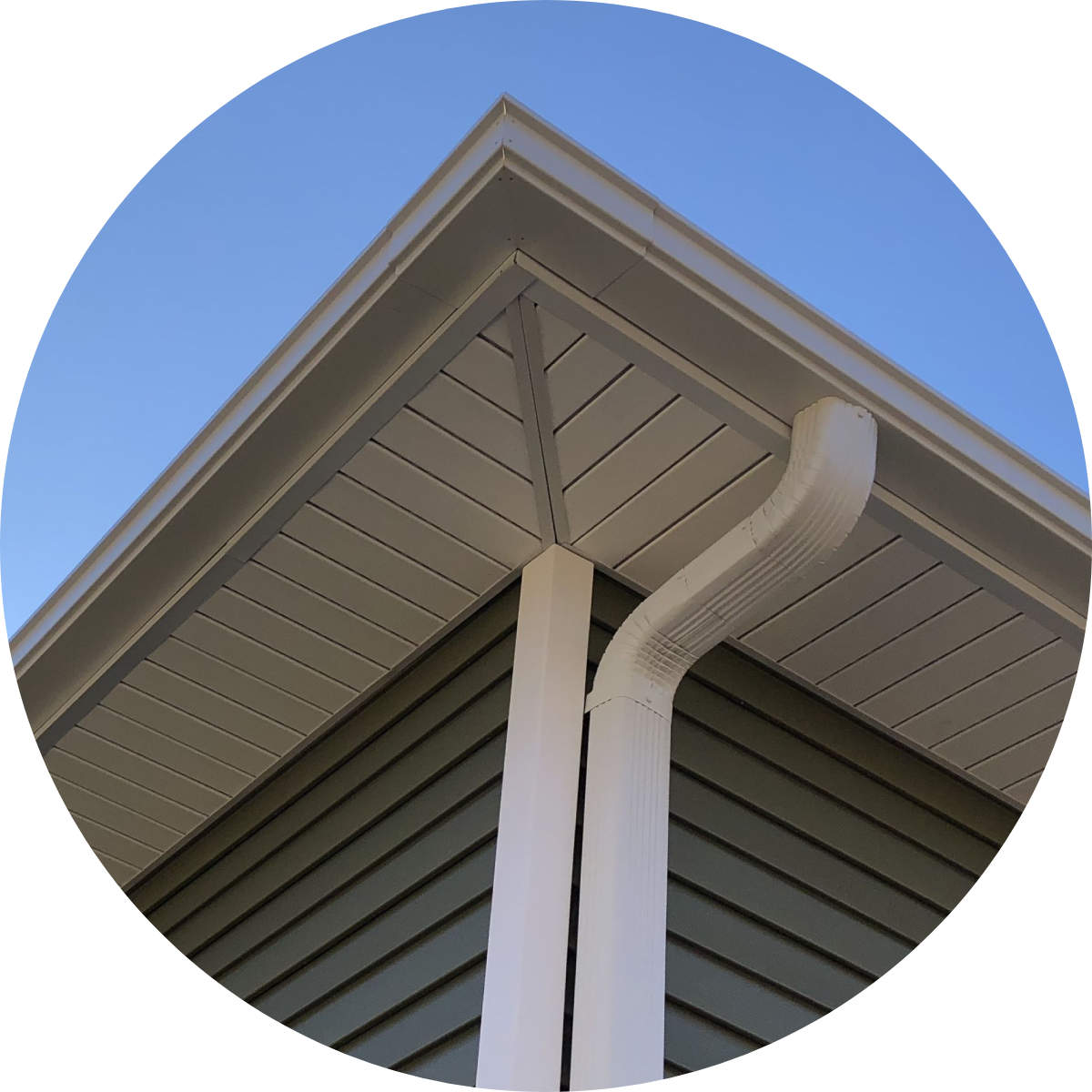
The Real Reason Leaf Guards Installed Hamptons Wide Are in High Demand
Ask any Hamptons homeowner what their least favorite fall chore is, and gutter cleaning almost always tops the list. Between the sprawling oak canopies, tall pines, and coastal winds that blow debris in from every direction, gutters out here fill up fast — sometimes just weeks after a good cleaning. That's the driving force behind why leaf guards installed Hamptons properties now feature so prominently in local home improvement conversations. Homeowners are tired of the ladder, the mess, and the recurring cost of hiring someone to clear out clogged gutters two or three times a year.
Leaf guards solve this problem at the source. Instead of letting leaves, pine needles, and seed pods collect inside the gutter channel, a properly installed guard system filters debris out while still allowing water to flow through freely. The result is a gutter system that does its job — moving water away from your roof and foundation — without turning into a breeding ground for clogs, standing water, and the pests that come with it.
For Hamptons properties specifically, where mature landscaping is often part of what makes the home so desirable in the first place, leaf guards offer a way to keep that lush greenery without sacrificing gutter performance. You get to keep the trees and lose the maintenance headache.
How Leaf Guard Systems Actually Work
A lot of homeowners assume leaf guards are just a mesh screen laid over the top of existing gutters, but the better systems are far more engineered than that. Most quality leaf guard products use a combination of surface tension and precisely angled openings to let water flow over or through the guard while directing leaves, twigs, and other debris to slide right off the edge.
A few things separate a well-installed system from one that fails within a season or two:
- Material quality — Aluminum and stainless steel micro-mesh guards tend to outperform plastic versions, which can warp or discolor after a few years of sun exposure.
- Proper fit — Guards need to be custom-fitted to the exact gutter profile on your home; a loose or improperly sized guard leaves gaps where debris can still sneak in.
- Pitch and flow rate — The guard has to be installed at an angle that keeps water moving fast enough to prevent overflow during heavy downpours, which is especially important during Hamptons' occasional intense coastal storms.
- Downspout compatibility — Even the best guard won't help much if the downspouts themselves aren't sized correctly to handle the water volume coming off a larger roof.
When these elements come together correctly, a leaf guard system can significantly reduce — though not fully eliminate — the need for gutter cleaning, often stretching maintenance visits from multiple times a year down to just an occasional check-up.
Why Leaf Guards Installed Long Island Wide Make Sense Beyond the Hamptons
While the Hamptons certainly has its share of dense tree cover, the demand for leaf guards installed Long Island wide extends well beyond the East End. From the North Shore's wooded estates to the more suburban neighborhoods further west, Long Island's tree density creates similar gutter challenges across a wide range of property types and price points.
What makes Long Island a bit different from a lot of other regions is the sheer variety of housing stock. Older colonials with steep rooflines, newer construction with wide low-slope roofs, and everything in between all have different gutter and downspout configurations. A leaf guard system that works well on one roof type might not perform the same way on another, which is why a proper assessment before installation matters just as much here as it does on a sprawling Hamptons estate.
Homeowners across Long Island are also increasingly factoring leaf guards into their home value calculations. A well-maintained exterior, free of the sagging, overflowing gutters that come with years of neglect, is something buyers notice. Leaf guards help preserve that clean look while also protecting the fascia, siding, and foundation from the water damage that clogged gutters so often cause.
Common Problems Leaf Guards Help Prevent
Clogged gutters don't just create an annoying maintenance chore — left unaddressed, they can lead to a surprisingly long list of home damage issues. Understanding what's actually at stake helps explain why so many homeowners are willing to invest in a proper leaf guard installation:
- Ice dams — In colder months, water trapped by debris-filled gutters can freeze and expand, sometimes forcing water back up under roof shingles.
- Foundation cracking — Overflowing gutters send water pooling right at the base of the house instead of directing it away, which over time can compromise the foundation.
- Pest infestations — Standing water and decaying leaf matter in clogged gutters create an ideal breeding environment for mosquitoes and a nesting spot for birds and rodents.
- Fascia and soffit rot — Constant moisture exposure from overflow gradually breaks down the wood trim along the roofline, leading to costly repairs.
- Gutter sagging and detachment — The added weight of waterlogged leaves and debris puts stress on the hangers holding gutters in place, sometimes pulling them loose entirely.
Each of these problems tends to develop slowly and quietly, which is part of what makes clogged gutters so deceptive. By the time visible damage shows up, the underlying issue has often been building for a season or more.
What to Look for in a Leaf Guard Installer
Not all leaf guard installations are created equal, and the difference often comes down to the installer rather than just the product itself. A reputable installer will walk the property first, take note of tree coverage, roof pitch, and existing gutter condition, and recommend a guard style suited to those specific conditions rather than pushing a one-size-fits-all product.
It's worth asking whether the company installs the guards themselves or subcontracts the work out, since quality control tends to be more consistent with a dedicated in-house crew. Warranty coverage is another important detail — a confident installer will stand behind both the product and the labor, giving you recourse if something isn't performing as expected after installation.
Local experience matters here too. An installer who's worked extensively throughout the Hamptons and greater Long Island understands the regional tree species, storm patterns, and housing styles well enough to make informed recommendations rather than generic ones.

 English
 Arabic
 French
 Portuguese
 Deutsch
 Turkish
 Dutch
Dutch
 Italiano
 Russian
 Romaian
 Portuguese (Brazil)
 Greek
Greek