


orSlow Clothing Collection: Exploring Japanese-Inspired Workwear
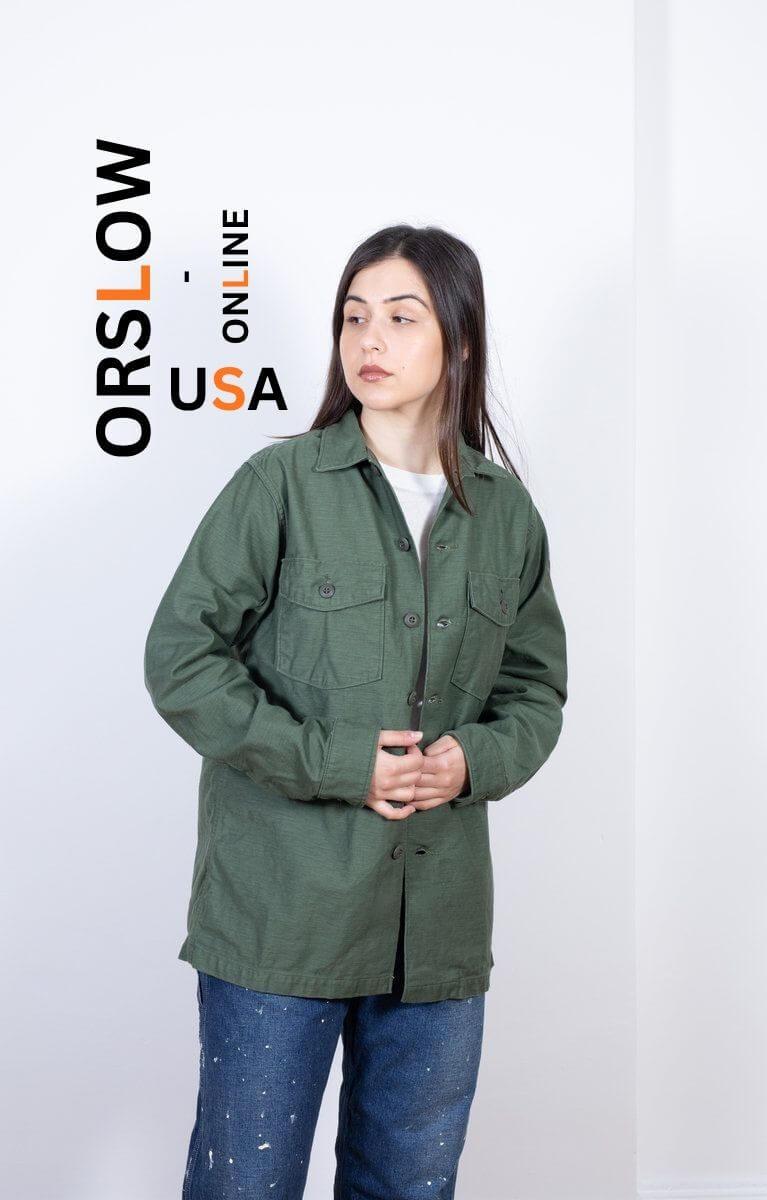
Workwear has always been about clothing that serves a purpose. Strong fabrics, practical pockets, relaxed cuts, and simple details make these pieces useful far beyond the job site. Japanese clothing labels have taken these ideas and given them a refined approach, often looking at older military and work garments for inspiration. Among them, orSlow Jeans has gained attention for its take on classic American workwear through a Japanese design perspective. The collection brings together denim, fatigue pants, jackets, shirts, and other everyday pieces. Rather than relying on loud graphics or short-lived fashion ideas, the designs focus on fabric, fit, construction, and the character that clothing develops with wear. For shoppers in the USA, this makes the collection a useful choice for building a wardrobe around practical garments with a strong connection to workwear history.
The Japanese Approach to Workwear
Japanese workwear often starts with old garments and studies what made them useful. Military uniforms, work jackets, utility trousers, and vintage denim provide references for new designs. The goal is not simply to copy an old garment. Small changes in fabric, proportions, stitching, and finishing can make a familiar design feel more suitable for modern daily wear.
This approach can be seen throughout orSlow Clothing. The collection keeps the recognizable shapes of traditional workwear while giving them a more considered fit. A pair of fatigue trousers may retain its military pockets and relaxed shape, while the fabric and finishing give the garment a different feel from a standard reproduction.
The same idea applies to shirts and jackets. Instead of making every item look new and polished, the collection often leaves room for texture and natural wear. This gives each piece a practical character that can become more personal over time.
Denim as a Major Part of the Collection
Denim is closely linked with American workwear, so it makes sense that it plays a major role in Japanese interpretations of the style. Different denim weights, cuts, washes, and construction methods can change how a pair of jeans looks and feels.
Within orSlow Clothing, denim ranges from straightforward everyday jeans to styles influenced by older work and military garments. The fit is just as relevant as the fabric. Straight, relaxed, and wider silhouettes offer different ways to wear denim without relying on a narrow fashion cycle.
For American shoppers, this variety makes it easier to find a pair that works with existing clothing. A straight pair can sit comfortably with boots, sneakers, work shirts, or simple sweatshirts. A wider cut can create a more relaxed outfit when paired with a tucked shirt or short jacket.
The appeal of Japanese denim also comes from the way it changes with use. Creases, fading, and softening can develop as the wearer spends time in the garment. That gradual change gives denim a personal quality instead of making it feel like something that should look exactly the same every day.
Fatigue Pants and Military Influence
Military clothing has had a major effect on modern workwear. Utility trousers are a clear example because their loose cuts, large pockets, and practical construction work well for everyday outfits. The orSlow Fatigue Pants take inspiration from this military background while fitting naturally into a casual wardrobe.
The appeal of orSlow Fatigue Pants comes from their balance between function and simple styling. They can be worn with a plain T-shirt during warmer months or combined with a work shirt and jacket when temperatures fall. Sneakers create a casual appearance, while boots can give the outfit a more traditional workwear feel.
Color also affects how fatigue trousers work within a wardrobe. Olive tones are closely associated with military garments, while darker shades can make the same style easier to pair with black, navy, gray, or denim. A relaxed leg gives the trousers enough room for movement without making the outfit feel overly loose.
The popularity of orSlow Fatigue Pants also shows why military references remain useful in modern clothing. Their design was created around practical needs, yet the same qualities work well for people who simply want comfortable everyday trousers.
Jackets That Bring the Collection Together
A good jacket can change the character of an entire outfit. Work jackets, chore coats, field jackets, and military-inspired outerwear all provide different versions of the same idea: useful clothing that protects the wearer while adding structure to an outfit.
orSlow Clothing includes outerwear influenced by these traditional forms. The designs can work with denim, fatigue trousers, chinos, or casual shorts. This makes jackets one of the easier ways to bring Japanese-inspired workwear into a wardrobe without changing every other item.
Fabric choice matters here. Cotton canvas can give a jacket a firm workwear feel, while lighter fabrics can make a piece more suitable for mild weather. Denim jackets offer another option for people who prefer a familiar material with a stronger connection to American clothing history.
The best way to wear these jackets is often to keep the rest of the outfit simple. A plain shirt, straight jeans, and a work jacket can create a balanced look without requiring many accessories. The clothing itself provides enough texture and shape.
Shirts and Everyday Layers
Workwear is not limited to trousers and outerwear. Shirts can provide the smaller details that make a complete outfit feel connected. Button-up work shirts, military-inspired tops, and simple casual layers can all be worn throughout the week.
The orSlow US market gives American shoppers access to pieces that fit naturally into casual wardrobes. A work shirt can be worn open over a T-shirt, buttoned with denim, or layered under a jacket. Because the designs tend to stay close to classic shapes, they can be combined with clothing from different styles.
Layering is also useful when dealing with changing American weather. A lightweight shirt can work as an outer layer in spring, while a heavier overshirt can provide extra warmth in fall. A jacket can then be added when temperatures drop further.
This flexible approach helps keep workwear practical. Instead of treating each garment as part of one fixed outfit, shoppers can combine pieces based on weather, activity, and personal preference.
Choosing Pieces for an American Wardrobe
Shopping for Japanese-inspired workwear does not mean building an entire wardrobe from one collection. A better approach is to start with garments that fit naturally with clothing already owned.
For someone new to the style, jeans are an easy starting point. A straight or relaxed pair can be worn with T-shirts, sweaters, sneakers, or boots. From there, orSlow Fatigue Pants can add another trouser option with a military influence.
A jacket is another useful addition. Work jackets can provide structure without feeling formal, while a field-style jacket can offer more room and protection in cooler weather. Shirts can then fill the gaps between lighter and heavier layers.
Fit should be considered before color or styling. A relaxed trouser needs enough room through the seat and thigh, while a jacket should allow comfortable movement when worn over a shirt or sweater. Looking at measurements rather than relying only on a usual size can make online shopping easier.
American shoppers should also think about climate. Someone living in a warm region may prefer lighter shirts and trousers, while someone in a colder state may get more use from heavier denim, overshirts, and outerwear.
How the Collection Develops Over Time
One reason workwear remains popular is that many pieces become more personal through regular use. Denim can fade at points where the wearer moves most. Cotton trousers can soften. Jackets can develop creases that reflect how they are worn.
This quality is part of the appeal of orSlow Clothing. The garments are not only about their appearance on the first day. They can change as they become part of everyday life.
Care also affects how clothing ages. Washing instructions should always be checked before cleaning denim, fatigue trousers, or outerwear. Some fabrics benefit from less frequent washing, while others can be cleaned more regularly. Hanging garments properly and giving them enough time to dry can also help maintain their shape.
People who enjoy this type of clothing often look at wear as part of the experience rather than something that needs to be prevented. Small changes in color, texture, and shape can make a familiar garment feel more personal.
Building a Simple Workwear Outfit
A workwear outfit does not need to contain many pieces. Start with a pair of straight denim jeans or orSlow Fatigue Pants. Add a plain T-shirt or work shirt, then finish with a jacket when the weather calls for another layer.
Shoes can change the direction of the outfit. Sneakers give it a lighter everyday feel, while leather boots create a closer connection to traditional workwear. Accessories should stay simple so the clothing remains the main focus.
The orSlow US selection can be approached in the same way. Instead of buying several pieces at once, shoppers can choose one garment, wear it often, and then see what is missing from the wardrobe. This keeps the style practical and avoids buying clothing that does not get regular use.
Color coordination also helps. Indigo denim works well with white, gray, olive, navy, and black. Olive fatigue trousers can be paired with cream, blue, gray, brown, or black. These combinations make it easier to repeat outfits without making them look identical.
Why Japanese-Inspired Workwear Appeals to USA Shoppers
American workwear has a long history, so its influence on Japanese clothing creates an interesting connection between the two markets. Japanese designers have studied American garments for decades, paying attention to their shapes, fabrics, and original purpose.
orSlow sits within that conversation by presenting workwear through a Japanese point of view. The result is clothing that can feel familiar to American shoppers while still offering different fabric choices, fits, and finishing details.
The collection also fits well with the current interest in buying fewer garments that can be worn in many situations. Jeans, fatigue trousers, shirts, and jackets can move between casual settings without needing a complete outfit change.
For shoppers who prefer clothing with a history behind its design, this connection can make the pieces more interesting. The garments reference older forms while remaining suitable for modern daily life.
Final Thoughts
The orSlow Clothing collection brings together several sides of Japanese-inspired workwear, from denim and fatigue trousers to shirts and jackets. Its appeal comes from practical shapes, familiar workwear references, and fabrics that can change with regular use.
For American shoppers, orSlow US offers a way to bring these ideas into an existing wardrobe without relying on complicated styling. Start with one or two useful pieces, pay attention to fit, and build from there. orSlow Fatigue Pants can provide a strong starting point for those who prefer military-inspired trousers, while denim and jackets offer other routes into the style.
The collection works best when treated as everyday clothing rather than a costume. Wear the pieces often, combine them with familiar basics, and let natural wear give them character over time.
FAQs
What is orSlow known for?
orSlow is known for clothing inspired by vintage workwear, military garments, denim, and utility clothing. Its designs bring these references into modern casual wardrobes.
What are orSlow Fatigue Pants?
orSlow Fatigue Pants are military-inspired trousers based on classic fatigue pant designs. They typically feature a relaxed shape and practical pocket details.
Is orSlow Clothing suitable for everyday wear?
Yes. orSlow Clothing includes jeans, trousers, shirts, jackets, and other pieces that can be combined with simple casual clothing for daily outfits.
Where can I find orSlow clothing in the USA?
Shoppers can look for orSlow US retailers and stores that carry Japanese workwear. Availability can differ by season, collection, size, and location.
How should I style Japanese-inspired workwear?
Keep the outfit simple. Try denim or orSlow Fatigue Pants with a plain T-shirt, work shirt, sneakers, or boots, then add a jacket when needed.

 Arabic
 French
 Spanish
 Portuguese
 Deutsch
 Turkish
 Dutch
Dutch
 Italiano
 Russian
 Romaian
 Portuguese (Brazil)
 Greek
Greek