


Insulation Nation: Residential Insulation Solutions for Comfortable Homes
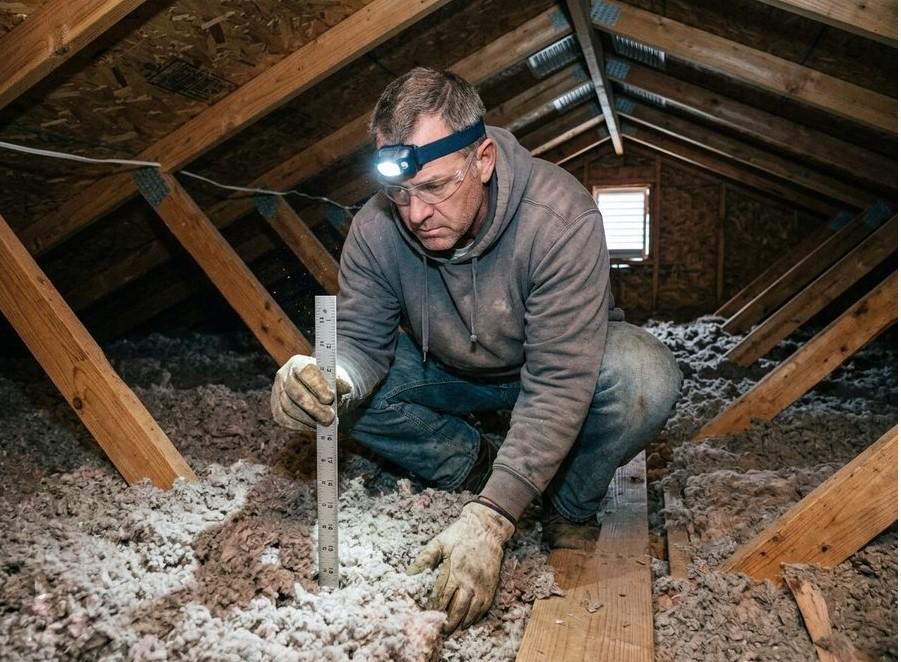
A comfortable home should feel pleasant in every season. When outdoor temperatures change, the indoor environment should remain reasonably stable without constant adjustments to the thermostat. Insulation plays an important role in making that possible by slowing the movement of heat between the inside and outside of a property.
Insulation Nation helps homeowners improve the thermal performance of their properties with solutions designed around the structure and condition of each home. From attic spaces to crawl spaces, the right insulation strategy can address areas where heat transfer and air movement may be affecting everyday comfort.
Understanding Residential Insulation Needs
Every home has different insulation requirements. The age of the property, construction style, existing insulation, attic design, crawl space, and local climate can all influence how effectively the building retains conditioned air.
A home may have insulation in place but still experience comfort problems. Materials can become compressed, coverage may be uneven, or certain areas may have never received enough insulation. Air leaks can also reduce the effectiveness of an otherwise adequate insulation system.
Professional residential insulation services begin with understanding these conditions instead of applying the same solution to every property. A proper inspection can help identify areas that require attention and determine what type of improvement makes sense.
Insulation Nation's current process emphasizes a real home inspection before recommendations are made, allowing homeowners to understand the condition of their insulation and the areas that may need improvement.
How Insulation Affects Indoor Comfort
Temperature differences between rooms can be frustrating. A bedroom may feel colder than the rest of the house, while an upstairs area may become noticeably warmer during summer.
These differences can sometimes be connected to the home's insulation and air movement. When heat passes easily through poorly insulated areas, maintaining consistent indoor temperatures becomes more difficult.
A properly planned insulation system creates a stronger thermal barrier. It helps slow heat movement so the temperature inside the home is less affected by outdoor conditions.
This can be particularly useful in Colorado, where homes experience both cold winter weather and warm summer conditions. Insulation Nation focuses on solutions suited to homes across the Denver metro area and surrounding communities.
Choosing Residential Insulation Services for Different Areas
Insulation is not limited to one part of a house. Different areas can have different requirements, which is why an overall evaluation can be more useful than focusing on a single room.
Residential insulation services may involve several areas depending on the property's needs. Attics, walls, floors, crawl spaces, and other sections of the building envelope can all influence how efficiently a home manages heat.
Insulation Nation offers several options, including attic insulation, blow-in insulation, batt insulation, crawl space insulation, and air sealing.
Some projects may require an upgrade to existing insulation, while others may involve removing older material before installing new insulation. The appropriate approach depends on the condition of the property.
Homeowners can benefit from considering the entire insulation system rather than assuming that one area is responsible for every comfort issue.
Why Attic Insulation Is Important
The attic is often one of the most significant areas to evaluate when a home has insulation concerns. Because heat naturally moves upward, an inadequately insulated attic can contribute to heat loss during colder weather.
During warmer months, the roof and attic can become extremely hot. Without an effective thermal barrier, some of that heat can move toward the living areas below.
Improving attic insulation can help create better separation between the living space and the attic. However, the existing material should be evaluated before deciding whether to add more insulation.
Insulation Nation provides attic insulation upgrades as well as removal and replacement options. Its approach also considers attic air sealing when gaps or air leaks are contributing to poor performance.
The Role of Crawl Space Insulation
Crawl spaces are another area that homeowners may overlook. Because they sit beneath the living areas, their condition can influence floor temperatures and the overall comfort of the home.
An inadequately insulated crawl space can allow cold air and unwanted temperature changes to affect the rooms above. Moisture and humidity can also be concerns in certain crawl spaces.
A properly planned solution can address both insulation and air movement where appropriate. Insulation Nation offers crawl space insulation and vapor barrier services designed to address insulation and moisture-related concerns.
Homeowners should have crawl spaces inspected rather than assuming that visible insulation is automatically performing well. Existing material may be damaged, incomplete, or affected by conditions within the space.
Understanding Different Insulation Materials
There is no single insulation material that works identically for every application. The best option depends on where it will be installed and what the home requires.
Blow-in insulation can be useful for filling spaces and reaching areas where traditional installation may be difficult. Batt insulation can work well in walls, floors, basements, and other suitable areas when it is properly fitted.
Insulation Nation offers both blow-in and batt insulation as part of its residential solutions. The company also provides cellulose and fiberglass blow-in options.
Rather than selecting material based solely on general popularity, homeowners should consider the specific location, existing conditions, installation requirements, and desired performance.
Signs Your Home May Need an Insulation Evaluation
Insulation problems are not always obvious. Homeowners may first notice changes in comfort or energy use rather than seeing an issue directly.
Several signs can justify a closer inspection:
- Rooms that remain noticeably warmer or colder than others.
- Drafts or uncomfortable areas near walls, ceilings, or floors.
- Increasing difficulty maintaining a consistent indoor temperature.
- Existing insulation that appears old, compressed, uneven, or incomplete.
These signs do not necessarily mean that all insulation needs to be replaced. An inspection can determine whether the problem is related to insulation, air leakage, or another part of the home's construction.
Combining Insulation With Air Sealing
Insulation and air sealing serve different purposes, but they can work together to improve a home's thermal performance. Insulation slows heat transfer, while air sealing helps reduce unwanted air movement through gaps and openings.
Small openings around penetrations, attic areas, and other parts of a building can allow conditioned air to escape. If these areas are left unaddressed, new insulation may not perform as effectively as expected.
Insulation Nation offers whole-home air sealing, attic air sealing, and draft and leak sealing. These services can complement insulation improvements when air leakage is part of the home's comfort problem.
The combination of the two can create a more complete approach to improving the home's thermal envelope.
Making a Practical Insulation Plan
A successful insulation project starts with identifying the actual needs of the property. Instead of automatically replacing everything, homeowners can benefit from learning what condition their current insulation is in and where the largest weaknesses may exist.
A professional evaluation can help determine whether an attic upgrade, crawl space work, blow-in insulation, batt insulation, air sealing, or another solution is appropriate.
Important factors to consider include:
- The age and construction of the home.
- Existing insulation type and condition.
- Areas with noticeable drafts or temperature differences.
- Attic and crawl space conditions.
- Whether air sealing should be included with the insulation work.
This type of planning helps keep the project focused and avoids treating every home as though it has exactly the same requirements.
Long-Term Comfort Starts With the Building Envelope
Heating and cooling equipment is important, but HVAC performance is only one part of maintaining indoor comfort. The building envelope also determines how easily conditioned air is retained and how quickly outdoor temperatures influence the interior.
Insulation can support this envelope by reducing heat movement through key areas of the home. When combined with appropriate air sealing, it can help create a more controlled indoor environment.
For Colorado homeowners, this can be especially valuable because homes must handle significant seasonal temperature changes. Insulation Nation states that its services are designed around Colorado homes and the region's climate conditions.
A well-planned insulation system can therefore become an important part of a broader home comfort strategy.
Why Professional Evaluation Matters
Insulation work is most effective when it is based on accurate information about the property. Guessing where insulation should be added can overlook problems that may be hidden from view.
A professional inspection can identify under-insulated areas, gaps, existing material conditions, and other factors that affect performance. This gives homeowners a clearer understanding of what their property actually needs.
Insulation Nation says its residential process starts with an inspection rather than a phone-based quote. This allows recommendations to be based on the home's specific conditions.
For homeowners considering an upgrade, this evaluation can be a useful first step toward creating a practical plan.
Conclusion
Residential insulation is an important part of creating a comfortable and efficient home. Attics, crawl spaces, walls, floors, and areas affected by air leakage can all influence how well a property maintains indoor temperatures.
The right solution depends on the individual home. Some properties may need additional attic insulation, while others may benefit from crawl space improvements, blow-in insulation, batt insulation, or air sealing.
Insulation Nation provides a range of solutions for Colorado homeowners and focuses on evaluating the property before recommending improvements.
With the right assessment and a thoughtful approach, residential insulation services can help homeowners work toward more consistent comfort and better control over heat movement throughout the year.

 English
 Arabic
 Spanish
 Portuguese
 Deutsch
 Turkish
 Dutch
Dutch
 Italiano
 Russian
 Romaian
 Portuguese (Brazil)
 Greek
Greek