


What Are the Key Benefits of PLL Frequency Synthesizers in Next-Generation Electronic Systems?
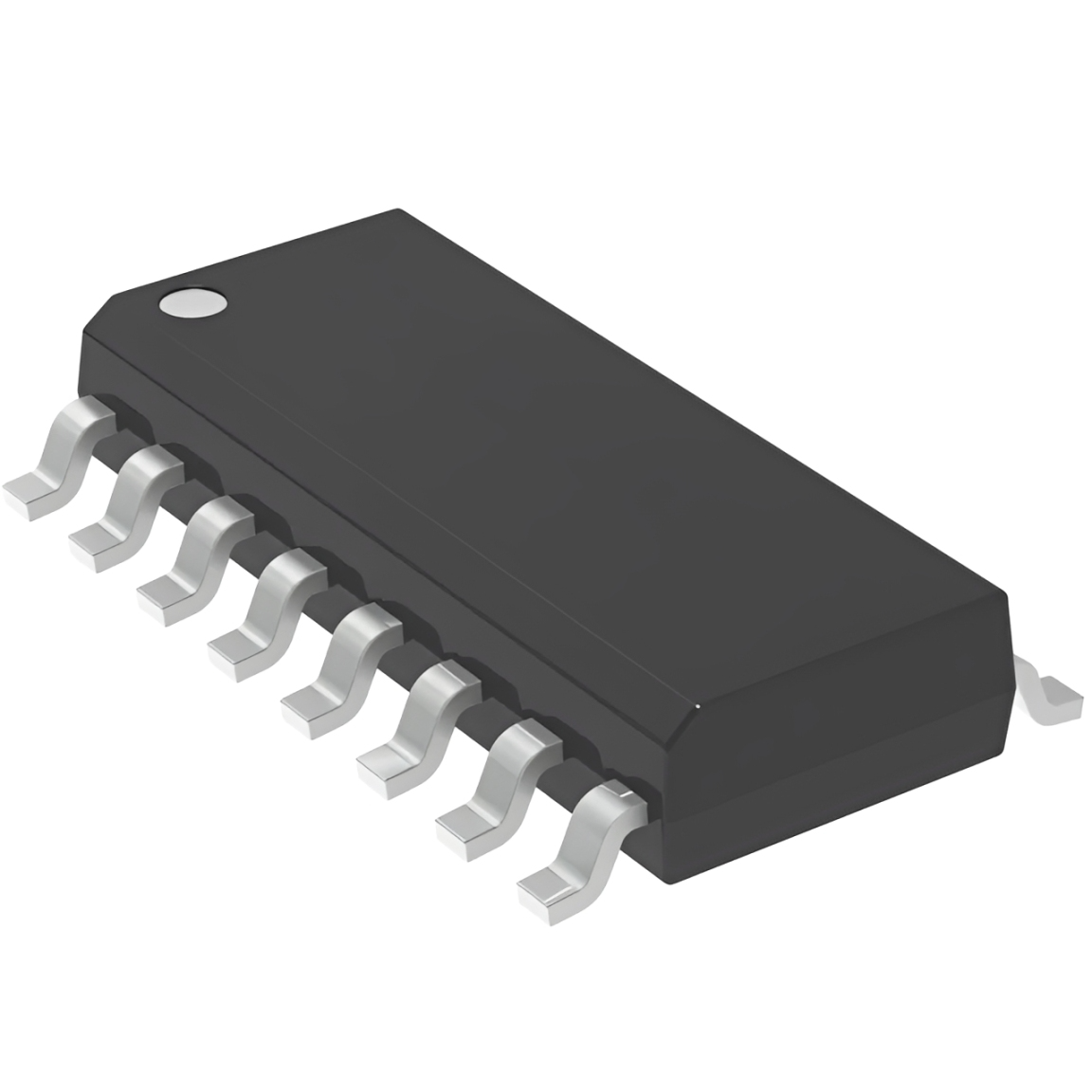
The demand for highly accurate electronic systems continues to increase as industries adopt advanced communication networks, intelligent automation, and high-speed digital technologies. Every modern electronic platform depends on precise timing and frequency control to achieve reliable performance. From wireless communication devices to scientific instruments, maintaining a stable signal is essential for reducing errors and improving efficiency.
PLL Frequency Synthesizers have become one of the most important solutions for achieving accurate frequency generation. These circuits use phase-locked loop technology to create controlled output signals that remain synchronised with a reference source. Their ability to provide stable, adjustable, and low-noise frequencies makes them an essential component in a wide range of electronic applications.
Why Are PLL Frequency Synthesizers Essential in Modern Electronics?
Frequency plays a crucial role in determining how electronic systems communicate, process data, and coordinate operations. Any unwanted variation in frequency can affect system accuracy and cause performance issues. PLL Frequency Synthesizers solve this challenge by providing a reliable method for generating precise signals.
These devices are important because they offer:
- Consistent frequency output for demanding applications
- Improved synchronisation between electronic components
- Flexible frequency adjustment based on system requirements
- Efficient signal generation using advanced circuit technology
- Reliable operation in complex electronic environments
By delivering accurate timing solutions, PLL Frequency Synthesizers support the development of faster and more dependable electronic products.
How Do PLL Frequency Synthesizers Achieve Precise Frequency Control?
The operation of a PLL Frequency Synthesizer depends on a feedback mechanism that constantly compares and adjusts signals. This allows the system to maintain a stable relationship between the output frequency and the reference signal.
The main stages involved in frequency control include:
- A stable reference oscillator generating an initial frequency
- A phase detector identifying differences between reference and output signals
- A loop filter improving signal stability by reducing unwanted fluctuations
- A voltage-controlled oscillator producing the required frequency
- A feedback divider adjusting the output according to design requirements
This continuous monitoring process allows PLL systems to correct frequency changes automatically and maintain accurate performance.
How Do PLL Frequency Synthesizers Improve Communication Systems?
Modern communication technologies require precise frequency management to transmit and receive signals effectively. Wireless networks, broadcasting systems, and data communication platforms depend on accurate frequency generation to avoid interference and maintain connection quality.
PLL Frequency Synthesizers improve communication performance by:
- Supporting stable carrier frequency generation
- Maintaining accurate signal synchronisation
- Improving data transmission reliability
- Reducing frequency-related communication errors
- Enabling operation at higher frequency ranges
As communication technologies continue advancing, PLL-based solutions remain essential for maintaining efficient and dependable connectivity.
Which Applications Depend on PLL Frequency Synthesizer Technology?
The flexibility of PLL Frequency Synthesizers allows them to be integrated into many different systems. Their ability to deliver accurate frequency control makes them valuable in industries where precision and reliability are required.
Common applications include:
- Mobile communication equipment for wireless signal processing
- Navigation systems requiring accurate timing references
- Aerospace electronics used in satellite and flight systems
- Industrial automation equipment controlling complex processes
- Medical devices requiring stable electronic signals
- Semiconductor testing equipment for accurate measurements
- Consumer electronics with digital processing requirements
These applications demonstrate how frequency synthesis technology contributes to improved performance across multiple industries.
What Performance Factors Define a High-Quality PLL Frequency Synthesizer?
Not all frequency synthesizers provide the same level of performance. Engineers must consider several technical characteristics when selecting a PLL Frequency Synthesizer for a specific application.
Important factors include:
- Phase noise performance to maintain signal quality
- Output frequency range for application compatibility
- Frequency resolution for precise adjustments
- Lock time for quick signal stabilisation
- Power efficiency for modern electronic designs
- Temperature stability for consistent operation
- Integration capabilities for compact systems
Understanding these characteristics helps engineers select solutions that match their performance requirements.
How Do PLL Frequency Synthesizers Support Compact Electronic Designs?
Modern electronic devices are becoming smaller while requiring more advanced features. Designers need components that provide powerful performance without increasing system complexity. PLL Frequency Synthesizers support this trend by combining multiple frequency control functions into compact solutions.
They help improve designs by:
- Reducing the need for multiple independent oscillators
- Simplifying circuit architecture
- Supporting programmable frequency configurations
- Saving valuable board space
- Improving overall system efficiency
This makes PLL technology especially useful for portable electronics, embedded systems, and integrated circuit applications.
What Innovations Are Improving PLL Frequency Synthesizer Performance?
Continuous advancements in semiconductor technology are improving the capabilities of PLL Frequency Synthesizers. Manufacturers are focusing on developing solutions that provide greater accuracy, reduced power consumption, and improved flexibility.
Current innovation areas include:
- Advanced digital control methods for easier configuration
- Lower phase noise designs for precision applications
- Higher frequency capability for future communication systems
- Better integration with system-on-chip platforms
- Improved energy efficiency for battery-powered devices
These developments are helping PLL Frequency Synthesizers meet the increasing demands of modern engineering applications.
How Will PLL Frequency Synthesizers Shape Future Technologies?
Future electronic systems will require even greater accuracy, faster processing speeds, and improved communication performance. PLL Frequency Synthesizers will continue supporting these developments by providing dependable frequency control solutions.
Their role will expand in areas such as:
- Next-generation wireless networks
- Autonomous technologies
- Advanced computing systems
- Smart industrial equipment
- Precision measurement platforms
As technology continues evolving, reliable frequency management will remain a key requirement, ensuring continued demand for advanced PLL solutions.
Conclusion
PLL Frequency Synthesizers are a vital technology for modern electronic systems because they provide accurate, stable, and flexible frequency generation. Their ability to maintain synchronisation, reduce signal variations, and support advanced applications makes them indispensable across communication, industrial, aerospace, and scientific fields.
With ongoing improvements in electronic design and semiconductor technology, PLL Frequency Synthesizers will continue enabling more efficient, reliable, and high-performance systems for future innovations.

 English
 Arabic
 French
 Spanish
 Portuguese
 Turkish
 Dutch
Dutch
 Italiano
 Russian
 Romaian
 Portuguese (Brazil)
 Greek
Greek