


The Role of Denial Management in Inpatient Rehabilitation Revenue Cycle Management Florida
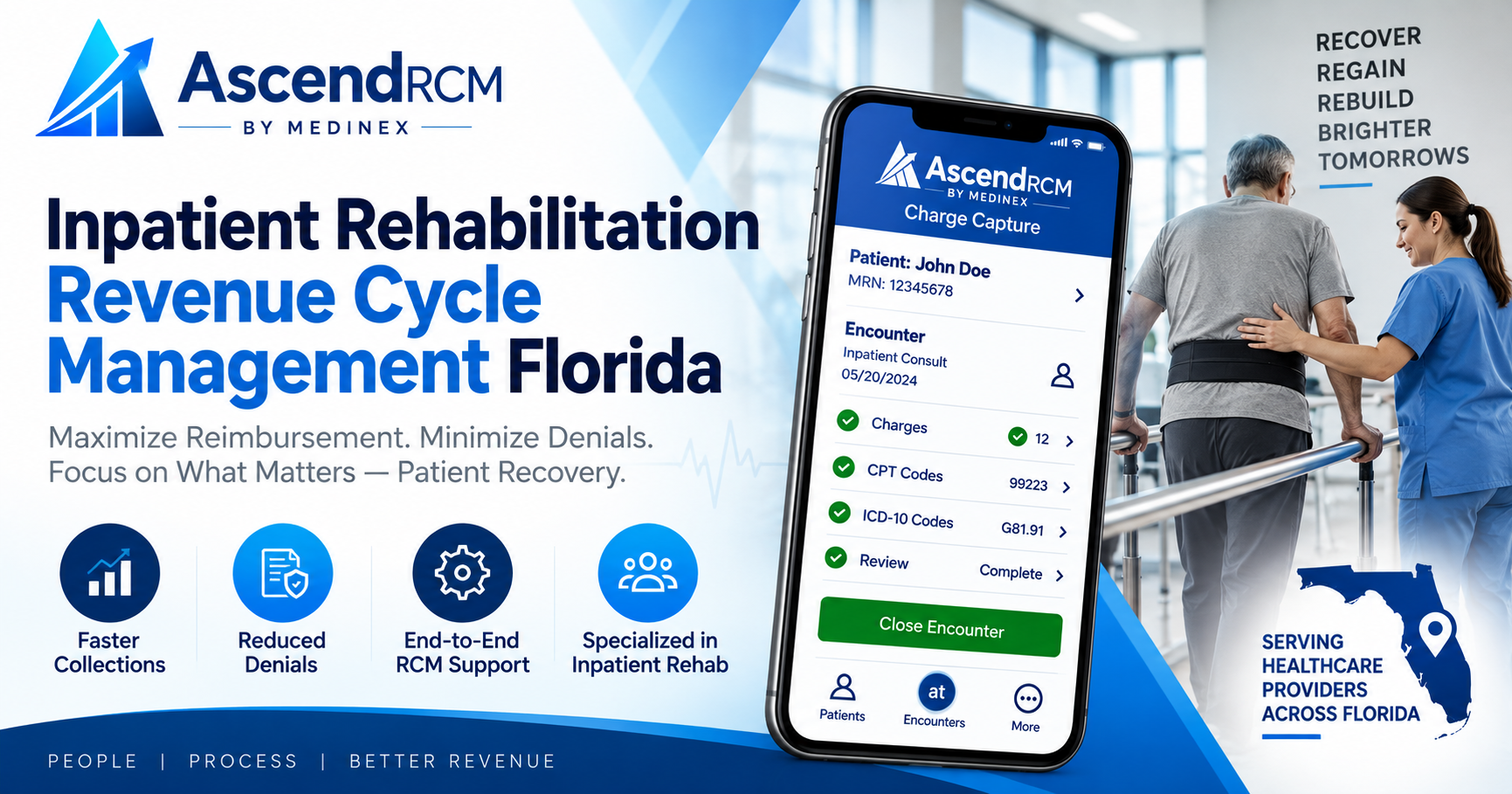
Claim denials can have a significant impact on the financial health of inpatient rehabilitation facilities. When claims are denied, healthcare providers may experience delayed reimbursement, increased administrative work, and growing accounts receivable. Effective Inpatient Rehabilitation Revenue Cycle Management Florida includes a strong denial management strategy designed to identify problems and improve the claims process.
Why Claim Denials Matter
A denied claim does not necessarily mean that reimbursement is permanently lost. Depending on the reason for the denial, the claim may be corrected, resubmitted, or appealed. However, delayed action can make the process more difficult. Facilities need a structured system for identifying denials, reviewing their causes, and determining the appropriate response.
Common Causes of Rehabilitation Claim Denials
Several issues can contribute to denied claims.
Eligibility Problems
Patient insurance information may be incorrect, expired, or incomplete. Verifying eligibility helps identify coverage concerns before claims are submitted.
Authorization Issues
Certain services may require prior authorization. Missing or incorrect authorization information can create reimbursement challenges.
Coding Errors
Incorrect diagnosis or procedure coding may result in claim rejection or denial. Coding should accurately reflect the services provided and the supporting documentation.
Documentation Problems
Payers may require specific documentation to support medical necessity or services billed. Missing information can delay reimbursement.
Payer-Specific Requirements
Insurance companies may have different billing rules and requirements. Understanding these requirements is an important part of revenue cycle management.
Building a Better Denial Management Process
A successful denial strategy should begin with categorization. Instead of treating every denial the same way, facilities can classify denials according to their cause. This helps identify patterns. For example, if a large percentage of denials relate to authorization, the organization may need to improve its authorization workflow. Data can therefore turn denial management into an opportunity for process improvement.
Prevention Is Better Than Rework
Although denial recovery is important, preventing avoidable denials is often more efficient than correcting them after submission. An effective Inpatient Rehabilitation Revenue Cycle Management Florida strategy should include front-end verification, coding checks, documentation review, and claim quality controls.These measures can help identify potential problems before claims reach the payer.
How AscendRCM by Medinex Supports Revenue Cycle Management
AscendRCM by Medinex helps healthcare organizations manage important revenue cycle processes. By supporting claims management, denial follow-up, and accounts receivable workflows, the organization can develop a more structured approach to reimbursement. The goal is not simply to recover denied claims but to identify recurring problems and improve the overall revenue cycle.
Tracking Denial Metrics
Facilities should monitor important denial indicators. Useful metrics may include denial rate, denial reasons, appeal success rate, days in accounts receivable, and aging balances. Reviewing these metrics regularly can help management determine whether operational changes are producing improvements.
Conclusion
Denial management is an essential component of successful rehabilitation billing. Identifying denial causes, correcting problems, appealing appropriate claims, and preventing recurring errors can improve the overall revenue cycle. A comprehensive Inpatient Rehabilitation Revenue Cycle Management Florida strategy combines prevention with effective follow-up. AscendRCM by Medinex can help healthcare organizations establish organized revenue cycle processes that support better reimbursement management.
FAQs
1. What is claim denial management?
Denial management involves identifying denied claims, determining why they were denied, correcting issues, submitting appeals or corrected claims when appropriate, and tracking outcomes.
2. What are common rehabilitation billing denials?
Eligibility issues, authorization problems, coding errors, documentation deficiencies, and payer-specific requirements are common areas of concern.
3. Can denial management prevent future denials?
Yes. Analyzing denial trends can reveal recurring problems and help organizations improve their workflows.
4. Why is authorization important?
When authorization is required, having accurate approval information can help support the claim and reduce avoidable reimbursement problems.
5. How can AscendRCM by Medinex help?
AscendRCM by Medinex supports revenue cycle processes such as claims management, denial follow-up, and accounts receivable activities.

 English
 Arabic
 Spanish
 Portuguese
 Deutsch
 Turkish
 Dutch
Dutch
 Italiano
 Russian
 Romaian
 Portuguese (Brazil)
 Greek
Greek