


Titan 3D: Choosing the Right Ghillie Suit for Hunting
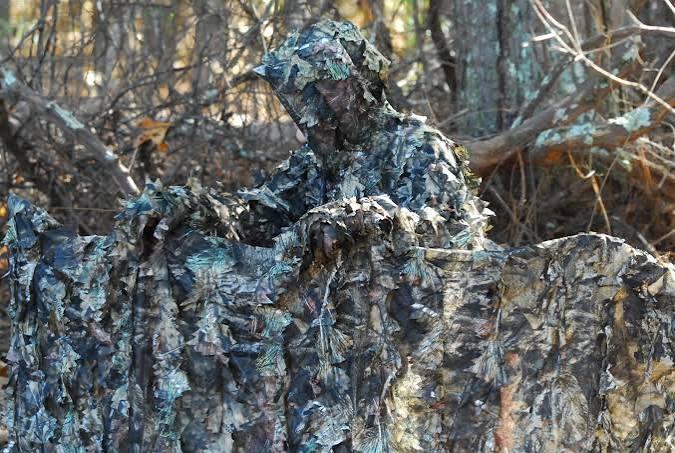
Hunting in natural environments often requires patience, awareness, and suitable outdoor equipment. Clothing plays an important role because the right outfit can help hunters remain comfortable while moving through forests, fields, grasslands, and other changing landscapes. A well-designed ghillie suit for hunting can provide a practical outer layer that blends visually with surrounding vegetation while allowing the wearer to move through outdoor terrain.
Titan 3D focuses on creating realistic three-dimensional camouflage solutions designed with outdoor environments in mind. Instead of relying on a simple printed pattern, 3D camouflage can add texture and depth to an outfit, creating a more natural appearance. When selecting hunting clothing, hunters should consider the terrain, weather, movement requirements, and overall construction of the suit before making a decision.
Understanding a Ghillie Suit for Hunting
A ghillie suit for hunting is designed to create a textured camouflage appearance that works with natural surroundings. Traditional camouflage clothing generally depends on printed colors and patterns, while a ghillie-style design can incorporate loose strands, fabric elements, or three-dimensional materials. These details can break up the outline of the wearer and create a visual effect that is better suited to environments containing grass, brush, leaves, or woodland vegetation.
The design is particularly useful for hunters who spend extended periods outdoors and need clothing that fits the character of their surroundings. However, camouflage should not be viewed as a replacement for responsible hunting practices or safety equipment. Visibility requirements, local hunting regulations, and seasonal conditions should always be considered when choosing and wearing camouflage clothing.
Why Three-Dimensional Camouflage Matters
Three-dimensional camouflage adds another layer of visual texture to outdoor clothing. A flat camouflage print can reproduce the general colors of an environment, but additional surface elements can create shadows and irregular shapes. This variation can make the clothing appear less uniform, especially when viewed against vegetation with different heights, textures, and colors.
For anyone considering a ghillie suit for hunting, three-dimensional construction can be an important feature to examine. The effectiveness of a suit depends on how well its appearance corresponds with the environment where it will be used. A design suitable for dry grass may not look appropriate in a dense green woodland, which is why choosing camouflage based on the intended terrain is an important part of preparation.
Choosing the Right Ghillie Suit for Hunting
Selecting a ghillie suit for hunting should involve more than simply choosing the most detailed camouflage available. Hunters should think about the type of terrain they regularly encounter and whether the clothing needs to accommodate warm, cool, wet, or windy conditions. Weight is another consideration, particularly for people who walk long distances or carry additional outdoor equipment.
A practical suit should also provide sufficient freedom of movement. Hunting can involve walking, crouching, sitting, or remaining still for extended periods, so restrictive clothing can become uncomfortable. Look for a construction that allows natural movement while maintaining its intended camouflage appearance. Breathability, fastening systems, durability, and ease of layering are also useful characteristics to evaluate.
When comparing different options, consider these factors:
- Terrain: Choose colors and textures that correspond with the environments where the suit will be used.
- Climate: Lightweight materials may suit warmer conditions, while layered designs can work better during cooler weather.
- Mobility: The clothing should allow comfortable walking, sitting, and crouching.
- Durability: Outdoor garments should withstand normal contact with vegetation and rough surfaces.
- Storage: Convenient pockets or compatible storage options can make field use easier.
- Maintenance: Materials that are straightforward to clean and maintain can remain useful for longer.
Matching Camouflage to Outdoor Terrain
Every landscape has its own visual character. Open fields may contain tall grass, dry vegetation, and exposed soil, while wooded areas can include branches, leaves, shadows, and uneven ground. Wetlands introduce another combination of reeds, darker vegetation, and reflective water surfaces. Because of these differences, the same camouflage pattern may not provide the same visual result in every location.
A useful approach is to identify the dominant colors and textures of the hunting environment before selecting clothing. Seasonal changes should also be considered. A woodland appearance during spring can differ substantially from the same location during autumn. Choosing a design that corresponds with the surrounding environment can make outdoor clothing look more natural without relying on excessive accessories or modifications.
Comfort and Mobility in the Field
Outdoor clothing needs to perform beyond appearance. Hunters may spend several hours outside, sometimes in changing temperatures or uneven terrain. A suit that looks effective but becomes uncomfortable after a short period may not be a practical choice. Breathable materials, adjustable components, and an appropriate fit can contribute to a more comfortable experience.
Movement is equally important. Excess material can catch on branches, brush, or other obstacles, while poorly designed openings can make basic tasks inconvenient. A balanced design should offer camouflage characteristics without making ordinary outdoor movement unnecessarily difficult. Before using new clothing during a hunting trip, wearing it during a short outdoor session can help identify fitting or comfort issues.
Weather Considerations for Hunting Clothing
Weather can influence the suitability of any hunting garment. Warm conditions can make heavy clothing uncomfortable, whereas cold environments may require additional layers underneath the camouflage. Rain introduces another concern because wet materials can become heavier and may affect comfort during extended outdoor activities.
When preparing for a trip, check the expected weather and plan clothing accordingly. Layering can provide flexibility because it allows the wearer to add or remove garments as temperatures change. In wet or humid environments, moisture management becomes especially valuable. Regardless of camouflage style, clothing should support the practical demands of the environment rather than being selected solely for appearance.
Features Worth Considering Before Buying
The construction of a camouflage suit can vary significantly between products. Some designs prioritize lightweight materials, while others focus on extensive three-dimensional coverage. Understanding the intended purpose of each feature makes it easier to select an option that matches individual outdoor needs.
Consider the following points before purchasing:
- Material quality: Examine whether the fabric feels suitable for repeated outdoor use.
- Fit: Select a size that provides comfortable movement without excessive looseness.
- Ventilation: Look for features that can help manage heat during active periods.
- Coverage: Consider how much of the body the design is intended to cover.
- Fasteners: Check zippers, ties, elastic sections, or other closures for practical use.
- Packability: A suit that can be transported conveniently may be more useful for mobile hunters.
These details can make a noticeable difference during real-world use. A thoughtfully selected garment should complement the rest of the outdoor setup instead of creating additional difficulties. Quality construction, appropriate sizing, and terrain compatibility are generally more valuable than simply choosing the most elaborate appearance.
Caring for Your Camouflage Clothing
Proper care can help extend the usable life of outdoor garments. Before cleaning a camouflage suit, review the manufacturer's care instructions because different materials may require different methods. Harsh cleaning products or inappropriate washing temperatures can affect fabric, coatings, or attached camouflage elements.
Storage also matters. Clothing should be completely dry before being placed away for an extended period. Keeping the suit in a clean, dry location can help reduce unwanted odors and prevent unnecessary material deterioration. Regularly checking seams, fasteners, and loose elements can also help identify small issues before they become larger problems.
Titan 3D and Modern Camouflage Solutions
Titan 3D emphasizes the visual depth associated with three-dimensional camouflage. This approach can provide outdoor enthusiasts with clothing designed to complement natural surroundings rather than depending entirely on a flat printed pattern. The combination of texture, layered elements, and terrain-inspired appearance can make these garments an interesting option for hunters and other outdoor users.
When choosing products from Titan 3D, users should still consider their own environment, seasonal conditions, preferred mobility, and clothing requirements. No single camouflage design is ideal for every landscape. The best choice is one that fits the intended setting while providing the comfort and functionality needed during outdoor activities.
Preparing for a Better Outdoor Experience
Good preparation involves more than selecting camouflage. Hunters should organize appropriate clothing, footwear, navigation equipment, weather protection, food, water, and other necessary supplies before heading outdoors. Safety considerations should remain a priority, including following local regulations and using any required visibility or identification equipment.
Camouflage should also be used responsibly. Depending on the location and hunting season, regulations may require specific colors or visibility garments. Before wearing a ghillie suit for hunting, check applicable rules for the area and species being pursued. Responsible preparation helps ensure that specialized clothing remains part of a safe and lawful outdoor experience.
Conclusion
Choosing the right camouflage requires attention to terrain, weather, comfort, mobility, and construction. A three-dimensional design can provide a textured appearance that differs from conventional printed camouflage, making it an option worth considering for hunters who spend time in natural environments. The ideal garment should complement its surroundings while remaining practical for extended outdoor use.
Titan 3D offers a modern approach to textured camouflage for outdoor enthusiasts. Whether the environment includes woodland, grassland, brush, or changing seasonal vegetation, selecting clothing according to the surroundings can improve overall practicality. With careful consideration of fit, material, weather conditions, and local requirements, a ghillie suit for hunting can become a useful part of a well-prepared outdoor clothing setup.

 English
 Arabic
 French
 Spanish
 Portuguese
 Deutsch
 Turkish
 Dutch
Dutch
 Russian
 Romaian
 Portuguese (Brazil)
 Greek
Greek