


Twelve Point Landscaping | Austin Landscape Designer for Beautiful Outdoor Spaces
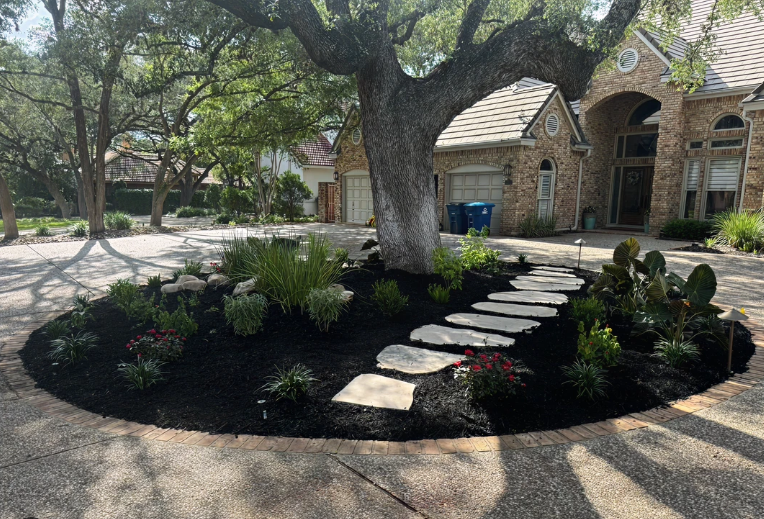
Austin landscape designer services can help homeowners turn an ordinary yard into a more attractive, comfortable, and functional outdoor setting. A thoughtful landscape plan considers the property's layout, sunlight, planting areas, walkways, entertaining needs, and overall style. Instead of placing features randomly, a well-planned design brings different parts of the yard together.
Twelve Point Landscaping combines landscape planning with practical outdoor features to create spaces that complement the home and fit everyday lifestyles. From planting arrangements and garden areas to patios, pathways, and hardscaping, each element can be positioned with purpose. Austin landscapes also benefit from designs that consider local soil, weather, water needs, and the natural character of Central Texas.
Creating a Landscape Plan Around Your Home
Every property has its own shape, proportions, existing vegetation, and outdoor challenges. An effective landscape plan begins by considering how people move through the yard and which areas receive sun or shade. The location of doors, windows, driveways, trees, fences, and existing structures can all influence the placement of new landscape features.
An Austin landscape designer can help organize these details into a cohesive outdoor layout. Instead of treating the front yard, side areas, and backyard as separate spaces, the design can create visual connections throughout the property. This approach makes the landscape feel more intentional while giving homeowners a clearer idea of how the finished space can function.
Selecting Plants for Austin Conditions
Plant selection is an important part of creating a successful Austin landscape. Local conditions can influence which plants perform well, including available sunlight, soil characteristics, drainage, and seasonal weather. Native and well-adapted plants can add texture and color while supporting a landscape that fits its surroundings.
A balanced planting plan can combine trees, shrubs, ornamental grasses, groundcovers, and flowering plants to create layers throughout the yard. Rather than filling every open area with vegetation, strategic placement can provide privacy, shade, visual interest, and defined garden zones. This creates a landscape that feels natural without becoming difficult to navigate or maintain.
Designing Functional Outdoor Living Areas
Outdoor spaces can become an extension of the home when they are planned around the way homeowners actually spend their time. A comfortable patio may provide space for meals, while a nearby seating area can create a quieter place for conversations. Pergolas, fire features, outdoor kitchens, and shaded areas can further expand the ways a backyard is used.
Landscape design should connect these gathering spaces with the rest of the property. A pathway might lead from the back door toward a patio, while planting beds can soften hard edges and add privacy. When outdoor living features are integrated into the overall plan, the result feels more connected instead of appearing like a collection of separate additions.
Adding Hardscape Features With Purpose
Hardscaping can provide structure and definition within a landscape. Paver patios, stone walkways, retaining walls, steps, seating areas, and decorative borders can make an outdoor property easier to use while adding visual character. Material choices can also complement the architecture of the house and the surrounding landscape.
The best results come from selecting hardscape features based on actual needs. A retaining wall may help organize a sloped section, while a pathway can improve circulation between outdoor areas. Combining these features with thoughtful planting creates contrast between solid surfaces and natural elements, giving the yard greater depth and balance.
Improving Front Yard Appearance
The front yard creates an important first impression of a home. A landscape designer can organize planting beds, pathways, trees, decorative elements, and open lawn areas to create a welcoming entrance. The goal is not simply to add more plants, but to establish proportion and visual direction around the property.
A carefully arranged entry landscape can also make everyday movement more convenient. Walkways can guide visitors toward the front door, while shrubs and smaller plants can frame architectural features without overwhelming them. With the right combination of greenery and hardscape, a front yard can have a polished appearance while remaining practical.
Designing With Maintenance in Mind
A beautiful landscape should also be manageable for the homeowner. Plant density, irrigation requirements, pruning needs, lawn areas, and access to different sections of the yard can all influence long-term maintenance. Planning these factors from the beginning can make regular landscape care more straightforward.
Low-maintenance landscape design does not mean creating a yard without character. Austin homeowners can use suitable plant selections, defined planting zones, mulch, stone, and carefully positioned lawn areas to reduce unnecessary upkeep. A thoughtful design balances appearance with realistic maintenance expectations so the outdoor space remains enjoyable.
Creating a Cohesive Backyard Design
Backyard landscaping works best when individual elements support one another. A patio can serve as the central gathering area, with planting beds surrounding it and pathways connecting nearby zones. Trees can provide shade, while shrubs and screening plants can establish privacy around seating or entertaining spaces.
An Austin landscape designer can also use texture, height, shape, and repetition to create visual continuity. Similar materials or plant groupings can appear in different areas without making the design feel repetitive. This helps the backyard develop a consistent style while still allowing each section to serve a different purpose.
Working With Twelve Point Landscaping
Twelve Point Landscaping approaches outdoor projects with the goal of creating practical spaces that complement the property. Landscape design may include planting arrangements, patios, walkways, hardscaping, retaining features, and outdoor living areas depending on the homeowner's needs. Bringing these components together can make the finished landscape feel more unified.
Homeowners planning a new outdoor project can begin by identifying what they want their yard to accomplish. Whether the priority is better curb appeal, more entertaining space, improved circulation, or a refreshed planting layout, having a clear purpose helps guide the design. Twelve Point Landscaping can incorporate those goals into a landscape concept suited to the property.
Conclusion
An Austin landscape designer can help homeowners approach outdoor improvements with a complete plan rather than isolated landscaping additions. From plant selection and garden placement to patios, pathways, and hardscape features, each decision can contribute to a more comfortable and attractive property.
Twelve Point Landscaping brings these elements together to create outdoor spaces designed around everyday use and the character of the home. With thoughtful planning, suitable materials, and balanced planting, an Austin yard can become a welcoming place to relax, entertain, and enjoy throughout the seasons.

 English
 Arabic
 Spanish
 Portuguese
 Deutsch
 Turkish
 Dutch
Dutch
 Italiano
 Russian
 Romaian
 Portuguese (Brazil)
 Greek
Greek