


Can You Park an RV on the Street or in Your Driveway?
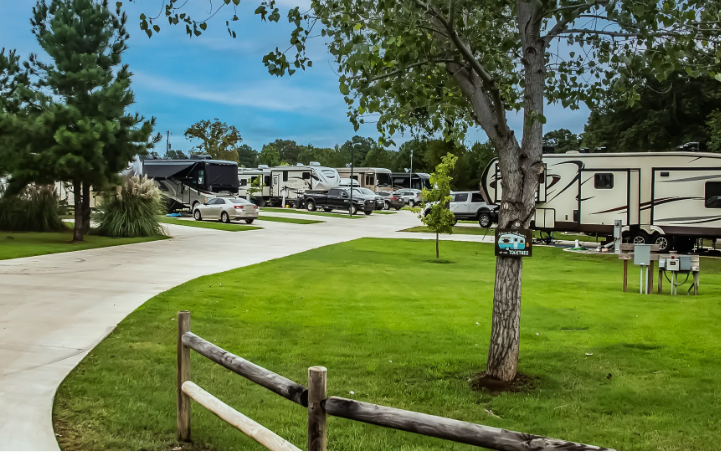
Owning a recreational vehicle can make travel, camping, and weekend adventures much easier, but RV ownership also comes with practical questions about storage and parking. One of the most common concerns for RV owners is where the vehicle can legally and safely be kept when it is not being used. People often ask, Can you Park an RV on the Street? They may also wonder, Can you park an rv in your driveway?
The answer to both questions depends heavily on local laws, neighborhood rules, driveway dimensions, and the type of RV involved. Understanding the regulations before parking can help prevent fines, complaints, or unexpected problems.
Can You Park an RV on the Street?
If you are asking, Can you Park an RV on the Street?, there is no universal answer that applies everywhere. Street parking regulations are generally established by local governments, municipalities, homeowner associations, or other authorities.
Some communities allow recreational vehicles to be parked temporarily on public streets, while others restrict their size, parking duration, or location. Certain areas may permit an RV to remain on the street for a short period while loading or preparing for a trip but prohibit long-term storage.
Before parking an RV on a public street, check the regulations that apply specifically to your property and neighborhood. Local parking signs may also provide important information.
Why Street Parking Can Be Restricted
Large recreational vehicles can take up considerably more space than standard passenger vehicles. An RV parked on a narrow residential street may affect visibility, traffic flow, pedestrians, or access for emergency vehicles.
Some communities therefore establish restrictions based on vehicle length, height, weight, or parking duration. Others may prohibit overnight or long-term RV parking in certain residential areas.
There may also be rules concerning where the RV is positioned. For example, regulations may address proximity to intersections, fire hydrants, driveways, sidewalks, or other locations where a large vehicle could create an obstruction.
These restrictions are why researching the answer to Can you Park an RV on the Street? should involve checking local requirements rather than relying on general assumptions.
Temporary Versus Long-Term Parking
One important distinction is the difference between temporary parking and storage. A community may allow an RV to remain on the street while an owner prepares for a trip, loads supplies, or returns from travel.
Long-term storage can be treated differently. Some municipalities may restrict how long a recreational vehicle can remain continuously parked in the same location.
If you regularly need to store an RV, a designated storage facility or an approved parking area may be more practical than relying on public street parking.
Can You Park an RV in Your Driveway?
The second common question is, Can you park an rv in your driveway? In many locations, private driveways are a more practical option than public streets, but permission is not necessarily automatic.
Local zoning rules may regulate recreational vehicles on residential properties. Homeowner associations can also have separate restrictions concerning vehicle appearance, size, visibility, or storage.
Driveway design is another consideration. Even if local rules permit an RV, the vehicle must physically fit without blocking sidewalks, pedestrian access, neighboring property, or portions of the public right-of-way.
Checking Local Zoning Regulations
Before storing an RV at home, homeowners should check local zoning and parking regulations. Rules can vary significantly between cities, counties, and neighborhoods.
Some communities may allow RVs in residential driveways as long as they meet certain conditions. Others may require screening, setbacks, permits, or restrictions on how long the vehicle can remain visible.
If you live in a planned community, there may also be private rules that apply in addition to local government regulations.
Homeowner Association Rules
Homeowner associations can establish standards that are different from municipal parking laws. These rules may restrict recreational vehicles from being stored in driveways, front yards, or other visible areas.
If your property is part of an HOA, review its current governing documents before parking an RV at home. An HOA violation can result in warnings, fines, or other enforcement actions depending on the community's rules.
This means that answering Can you park an rv in your driveway? requires considering both public regulations and private community requirements.
Driveway Size and Safety
Even when RV parking is allowed, the physical characteristics of the driveway matter. An RV should fit comfortably without extending into the sidewalk, street, neighboring property, or other restricted areas.
Owners should also consider overhead clearance. Trees, rooflines, utility structures, and other obstacles can create problems when moving a tall RV into a driveway.
The surface of the driveway should also be capable of supporting the vehicle. Recreational vehicles can be considerably heavier than ordinary cars, and some driveways may not have been designed for prolonged storage of large vehicles.
Protecting the RV While It Is Parked
Wherever an RV is stored, protecting the vehicle from unnecessary wear can help maintain its condition. Owners may use covers or other protective measures appropriate for the vehicle and local weather conditions.
Tire care is another consideration when an RV remains stationary for extended periods. Following the manufacturer's recommendations for tires, battery systems, and other components can help keep the vehicle ready for future trips.
If an RV will remain unused for a long time, owners should also follow appropriate winterization or storage procedures when necessary.
Alternatives to Home or Street Parking
If local rules make residential parking difficult, RV storage facilities may offer an alternative. Dedicated storage locations can provide spaces specifically designed for recreational vehicles.
Depending on the facility, options may include uncovered outdoor spaces, covered parking, or enclosed storage. The right choice depends on the RV's size, budget, climate, and desired level of protection.
Another possibility is storing the RV on private property where recreational vehicle parking is expressly permitted. However, permission and local regulations should still be confirmed before using another property for long-term storage.
What to Check Before Parking
Whether you are considering street parking or driveway storage, it is helpful to create a simple checklist.
First, identify whether the location is public or private. Then check municipal parking or zoning rules. If you belong to an HOA, review its regulations as well.
Next, consider the RV's dimensions. Measure its length, width, and height and compare those measurements with the available parking space.
Finally, look at practical issues such as sidewalk access, visibility, drainage, overhead clearance, and neighborhood safety.
These steps can help you avoid discovering a parking restriction after the RV is already in place.
Planning Ahead for RV Ownership
Parking should be part of the planning process before purchasing an RV. A vehicle may seem manageable at a dealership but become difficult to store once you return home.
Before buying, measure the driveway and investigate applicable regulations. Consider whether the RV can be maneuvered safely into the space and whether it can remain there legally when not being used.
If driveway storage is not practical, research storage alternatives and include those costs in your overall RV ownership budget.
Final Thoughts
So, Can you Park an RV on the Street? Sometimes, but the answer depends on local parking regulations, vehicle restrictions, and how long the RV will remain there. Public streets are often subject to stricter rules because they must remain accessible to traffic, pedestrians, and emergency services.
And Can you park an rv in your driveway? In many areas it may be possible, but homeowners still need to consider zoning requirements, HOA rules, driveway dimensions, and safety concerns.
The best approach is to verify the rules that apply to your specific property before parking an RV. A little research can help protect your investment, maintain good relationships with neighbors, and ensure that your recreational vehicle is stored in a safe and permitted location.

 English
 Arabic
 French
 Spanish
 Portuguese
 Deutsch
 Dutch
Dutch
 Italiano
 Russian
 Romaian
 Portuguese (Brazil)
 Greek
Greek