


What Rick Owens Taught the Fashion World About Rebellion
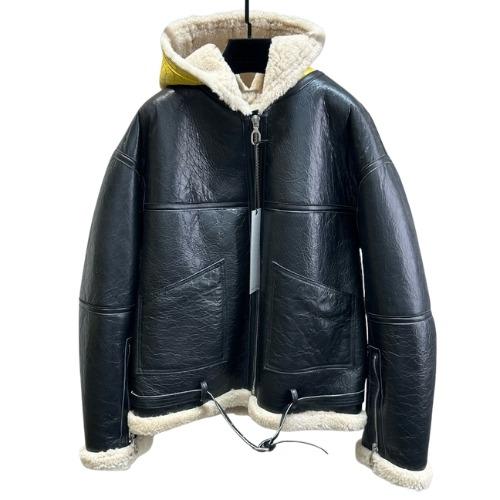
Rick Owens never really planned on becoming fashion’s most famous outsider, you know. He came up in Porterville, a calm little California town that felt miles away from any runway or lights. Back then, his early life was mostly, like, half attempts—art school that didn’t land, and random odd design jobs in between. Nothing in that background *obviously* said he’d end up reshaping modern fashion thinking. But somehow, that distance gave him this off-balance freedom, not the kind you get from chasing approval. He wasn’t trying to please whoever already ran the system, no. He kinda built his own visual language from nothing, slowly, stubbornly, and not in a straight line. And that patience… yeah, it eventually turned into one of fashion’s most recognizable signatures, even if people didn’t see it coming.
Beauty found in decay
Owens centered his whole look around stuff most designers dodge, like frayed edges, exposed seams, unfinished hems, the whole thing. Where others chased shine and polish, he chased texture that looked lived-in, worn down, even slightly haunted. His https://rickowns.com/ can look like ruins at first glance, but they never read as messy or careless. Every distressed detail is placed with this obsessive, almost architectural precision, like he’s measuring the dust. That tension—between broken and controlled—became the move he kept returning to across decades. He basically proved that imperfection can carry more emotional weight than perfection ever does. Over time, audiences started realizing decay could be its own luxury, not just a flaw.
Breaking fashion’s gender rules
Way before gender-neutral fashion was treated like a shiny marketing term, Owens was already blurring lines. His silhouettes draped over bodies without announcing whether they’re male or female, and that’s the part people sometimes overlook. Men wore skirts on his runways long before it felt “normal”. Women wore harsh, oversized shapes that ignored traditional feminine softness completely. He wasn’t making some loud political speech, it was quieter than that. He designed clothes for how bodies actually move, not for the label people try to stick on them. That low-key defiance later nudged so many designers who wanted fluid dressing, without feeling like they had to explain themselves every time. Owens made ambiguity feel intense and powerful, not confusing.
Draping as a language
He’s said before that he “thinks in fabric” more than in finished sketches, like the idea comes from cloth first. His draping is kind of storytelling, except without needing words. Fabric twists, pools, hangs, almost sculpturally—like it’s responding to gravity with opinions rickowns.com. He treated the human body like architecture, not just a thing that holds garments up. That method created this eerie, ghostly sense of motion. Even when people stand still, his designs seem to shift, breathe a little. Younger designers tried to copy that illusion later, but few keep the same calm, the same unsettling quiet in it. He made draping feel like a controlled atmosphere, not just technique.
Building a cult following
Owens didn’t chase mainstream approval the way some brands end up doing when they get bigger. Instead, he built a smaller audience that was devoted and weirdly personal. His fans weren’t only buying clothing, they were buying an entire worldview. That world included doom and romance at the same time, plus strength, and this gentle darkness that doesn’t quite behave. Streetwear communities leaned into him early, before luxury fashion really caught up. Sneakerheads wore his chunky, dramatic boots like status symbols, but within their own scenes not just as a trend. That crossover made him relevant across different cultural circles without him watering down who he was. A lot of designers reach far, sure, but few manage it without breaking their original identity.
Rebellion as a business
Even with the outsider image, Owens built a real commercial engine over time. He kept creative control tightly in his own hands for most of his career. His wife, Michele Lamy, became a key force in shaping the brand’s direction too. Together, they showed that strangeness and profitability aren’t always enemies, you know. Owens proved you can stay uncompromising and still keep financial stability. He also resisted trend cycles, and instead deepened his own aesthetic universe. That repeatable consistency built trust with buyers who wanted something unmistakably, distinctly his. Rebellion, in his case, wasn’t a one-time stunt—it became a strategy you could actually sustain.
Setting runway shows apart
Owens turned runway shows into performances rather than simple clothing displays. Sometimes models carried other models across the runway, like the show is moving bodies around on purpose. Nudity, pregnancy, and unusual body types showed up where audiences expected tight, narrow “beauty standards”. He used those moments to challenge what fashion calls acceptable, or comfortable. Critics sometimes labeled his shows shocking, disturbing, or deliberately provocative, mostly to get attention. Owens argued he was just reflecting real bodies and real human experience, not inventing some fantasy. The result was that his shows became talked-about events long after the collections were already sold out. That theatrical instinct kept the brand culturally relevant as fashion seasons changed again and again.
His lasting fashion legacy
Owens changed how younger designers think about darkness, imperfection, and personal identity. He showed rebellion doesn’t have to mean shouting, or always chasing the next loud controversy. Sometimes it’s quiet consistency, total commitment to the vision, and that can still feel radically new. Later, brands like Balenciaga and Vetements echoed his taste for distorted, oversized silhouettes, at least in spirit. Streetwear culture soaked up his obsession with chunky boots and layered draped clothing, but not always with the same restraint. Luxury houses began treating texture and imperfection like they were worth valuing, which is basically what Owens had been doing from the start. His influence spread slowly, through admiration not obvious copying. Decades later, his name still points to a specific kind of fearless, personal design philosophy. And in the end, that legacy says rebellion—if it’s honest—can outlast almost any passing trend.

 English
 Arabic
 French
 Spanish
 Portuguese
 Deutsch
 Turkish
 Dutch
Dutch
 Russian
 Romaian
 Portuguese (Brazil)
 Greek
Greek