


Foam Fire Extinguishers: Uses, Benefits, Limitations and Safety Guide
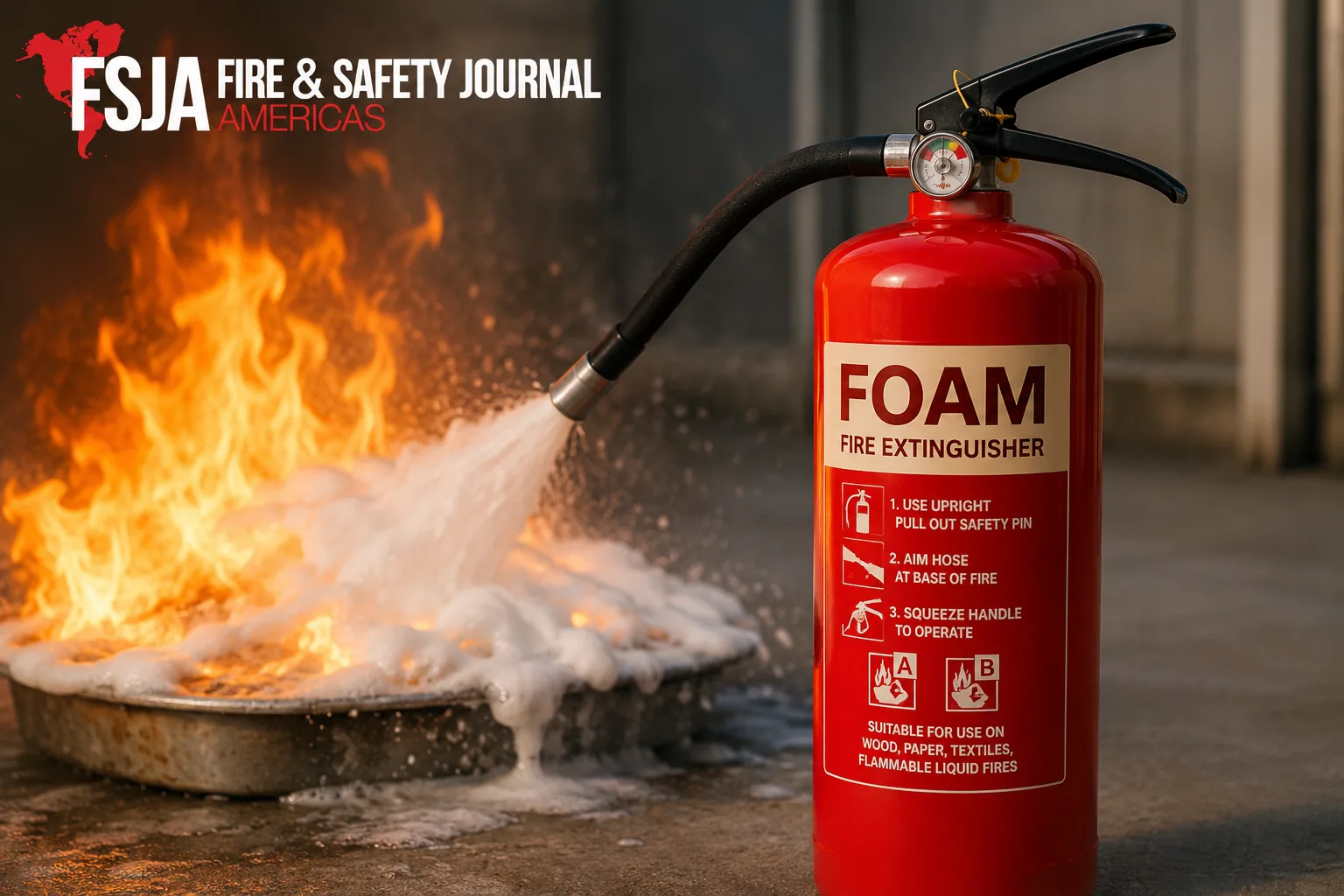
Fire extinguishers are an important part of first-response fire safety. When a small fire is identified early, the correct extinguisher can help control it before it develops into a larger emergency.
Foam extinguishers are commonly associated with fires involving ordinary combustible materials and certain flammable liquids. They can be useful in workplaces, workshops, warehouses, offices, garages, and other suitable environments.
However, no extinguisher is suitable for every type of fire. Understanding where foam extinguishers can be used, where they should be avoided, and how they should be maintained is essential for safe and effective fire response.
What Is a Foam Fire Extinguisher?
A foam fire extinguisher contains an extinguishing agent that produces a layer of foam when discharged. The foam helps suppress flames by covering the burning material and, in suitable flammable-liquid fires, separating the fuel surface from oxygen. It can also help reduce the chance of re-ignition by creating a protective layer over the fuel.
Foam extinguishers are generally intended for Class A fires involving materials such as wood, paper, cardboard, and textiles, as well as certain Class B fires involving flammable liquids such as petrol and diesel. The exact suitability depends on the extinguisher's rating and manufacturer instructions.
Modern foam formulations can differ considerably. Some products use fluorine-free agents, while older formulations may contain fluorinated substances. Therefore, the extinguisher label and applicable requirements should always be checked before use.
What Are Foam Fire Extinguishers Used For?
A foam fire extinguisher is generally selected for specific fire risks where its extinguishing properties are appropriate. Common applications include:
-
Wood and timber fires: Foam can be used on suitable fires involving wooden materials, furniture, pallets, and other ordinary combustibles.
-
Paper and cardboard: Offices, warehouses, and storage areas may contain substantial quantities of paper and cardboard that can support rapid fire development.
-
Textile fires: Foam may be suitable for fires involving fabrics, clothing, furnishings, and similar Class A materials.
-
Petrol and diesel: Suitable foam-rated extinguishers can be used on certain flammable-liquid fires, including petrol and diesel, where the extinguisher is specifically approved for that application.
-
Workshops and garages: Areas containing vehicles, tools, packaging, and certain fuels may use appropriately rated foam extinguishers as part of their overall fire safety arrangements.
-
Commercial premises: Offices, warehouses, and other workplaces may require foam extinguishers where both ordinary combustibles and suitable flammable-liquid risks are present.
Always check the extinguisher's fire rating rather than relying only on its appearance or general classification.
Benefits of Foam Fire Extinguishers
Foam extinguishers can provide practical protection against several common fire risks. Their effectiveness depends on choosing the correct rating, applying the agent properly, and using the equipment only when conditions are safe.
Effective on Class A Materials
Foam can suppress fires involving common solid combustibles such as wood, paper, cardboard, and textiles, making it suitable for many workplaces and storage environments.
Suitable for Certain Flammable Liquids
When correctly rated, foam can form a layer across the surface of suitable flammable liquids, helping suppress flames and limit contact between fuel and oxygen.
Helps Reduce Re-Ignition
The foam layer can remain over a suitable burning surface after the flames are suppressed, helping reduce the likelihood that the material or liquid will ignite again.
Useful Across Several Environments
Because foam can address appropriate Class A and Class B risks, it may be suitable for locations such as workshops, warehouses, offices, garages, and commercial premises.
Limitations of Foam Fire Extinguishers
Although foam is useful for particular fire classes, it has important limitations. Using the wrong extinguisher can increase danger, so fire type and equipment rating must always be considered before intervention.
Not Normally Suitable for Live Electrical Equipment
Foam is water-based and should not normally be discharged onto energised electrical equipment because it can create an electrical shock hazard. Electrical equipment should be isolated where possible.
Not Suitable for Cooking Oil Fires
Foam extinguishers are not the standard choice for fires involving deep-fat fryers or large quantities of cooking oil. Specialist wet chemical extinguishers are designed for these high-temperature cooking fires.
Not Suitable for Every Fire
Foam should not be treated as a universal extinguishing agent. Certain fires involving gases, reactive metals, or other specialised hazards require different extinguishing media and response procedures.
Environmental Considerations
Some older firefighting foams contain fluorinated compounds that have raised environmental concerns. Fluorine-free alternatives are increasingly available, but organisations should consider applicable regulations and disposal requirements.
Foam Fire Extinguisher Safety Guide
Safe extinguisher use begins with recognising that firefighting should only be attempted when the fire is small, an escape route is available, and the person is trained or otherwise competent to respond safely.
Raise the Alarm First
Alert people nearby and activate the building's fire alarm before attempting to use an extinguisher. Emergency services should be contacted according to the site's emergency procedure.
Check the Extinguisher
Confirm that the extinguisher is the correct type and suitable for the fire. Check its condition, pressure indicator where fitted, safety pin, seal, and service status before approaching.
Keep a Safe Position
Stand at a safe distance and keep a clear escape route behind you. Never allow a fire to block your only way out while attempting to extinguish it.
Aim at the Fire Correctly
Where appropriate, direct the discharge towards the base or relevant surface of the fire and use controlled movements. Follow the manufacturer's operating instructions and never continue if conditions become unsafe.
Maintenance and Inspection of Foam Fire Extinguishers
Regular inspection and servicing help ensure extinguishers remain available and functional when required.
-
Carry out routine visual checks for damage, corrosion, leakage, obstruction, or missing components.
-
Ensure extinguishers remain accessible and clearly identified.
-
Check pressure indicators where the model includes one.
-
Follow the manufacturer's servicing recommendations and applicable fire safety requirements.
-
Replace or professionally service equipment that has been discharged or damaged.
-
Keep appropriate inspection and maintenance records.
-
Ensure employees know the location and basic purpose of extinguishers provided for their work areas.
How to Choose the Right Foam Fire Extinguisher
Selection should begin with a fire risk assessment rather than choosing equipment based solely on size or price.
-
Identify the fire risks: Determine whether the premises contain ordinary combustibles, flammable liquids, electrical equipment, cooking oils, or specialised hazards.
-
Check the fire rating: Select equipment that is specifically rated for the identified fire classes.
-
Consider the environment: Account for temperature, weather exposure, chemicals, storage conditions, and other factors that could affect the extinguisher.
-
Follow applicable requirements: Equipment should comply with relevant standards and workplace fire safety requirements.
-
Consider placement: Extinguishers should be accessible, visible, appropriately distributed, and positioned according to the site's risk assessment.
-
Use competent advice: Where risks are complex, a competent fire safety professional should help determine the appropriate equipment and arrangement.
Conclusion
Foam extinguishers can be effective for suitable Class A and Class B fire risks, particularly where materials such as wood, paper, textiles, petrol, or diesel are present. Their ability to suppress flames and, in appropriate liquid fires, create a protective foam layer makes them useful in many workplaces.
At the same time, they have clear limitations, including risks associated with live electrical equipment and unsuitability for cooking oil fires. Correct selection, safe operation, regular inspection, professional servicing, and effective fire safety procedures are therefore essential. Fire and Safety Journal Americas provides industry perspectives on fire protection, safety practices, and developments affecting fire professionals.
Frequently Asked Questions
What fires can a foam fire extinguisher be used on?
They are generally suitable for Class A fires involving materials such as wood, paper, cardboard, and textiles, and certain Class B flammable-liquid fires when appropriately rated.
Can a foam fire extinguisher be used on electrical fires?
It should not normally be used on live electrical equipment because the water-based agent can create a shock hazard. Use equipment specifically rated for electrical risks.
Can foam extinguishers be used on petrol and diesel fires?
Appropriately rated foam extinguishers can be used on certain petrol and diesel fires. Always check the extinguisher's classification and follow its operating instructions.
Are foam fire extinguishers suitable for kitchens?
They are generally not suitable for deep-fat fryer or cooking oil fires. Wet chemical extinguishers are normally designed for these specific high-temperature fire risks.
How often should foam fire extinguishers be serviced?
Service intervals depend on applicable regulations, standards, manufacturer instructions, and the type of extinguisher. Routine visual checks should also be carried out.
What is the difference between foam and water fire extinguishers?
Both can be suitable for certain Class A fires, but foam can also be designed for specific Class B liquid fires. Water extinguishers generally have a narrower application range and should not be assumed suitable for flammable liquids.

 English
 French
 Spanish
 Portuguese
 Deutsch
 Turkish
 Dutch
Dutch
 Italiano
 Russian
 Romaian
 Portuguese (Brazil)
 Greek
Greek